

The basil growing on our balcony is out of control. It’s time to make a Pesto Zucchini Lasagna Texan style. Authentic pesto is made by crushing the basil with a pestle and mortar. But I am lazy and simply throw all the ingredients into the blender—basil, grated parmesan, garlic, and sunflower seeds (generally pine nuts are used but they are too expensive). I like a bit of lemon zest in it, too.
The boring part of making this lasagna is cutting the zucchini into long strips and grilling them on a skillet pan. To distract my boredom, I listen to music. Today I’m in the Motown Mood thanks to a BBC documentary I watched yesterday about Motown, “When Motown Came to Britain”. Wow.

Berry Gordy Jr, boxer, part-time pimp, and factory worker wanted to become a fulltime songwriter. After receiving next to nothing for successful songs he’d written, Gordy decided he’d be better off opening his own recording studio then finding his own artists to record the songs he’d written. He was living in Detroit that, thanks to the growing automobile industry, had seen a number of Blacks arriving from the south in hopes of getting a job. Gordy named his label Motown, an abbreviation of “Motor City Town”.
In 1959, with financial help from his family, Gordy acquired a house at 2648 W. Grand Blvd known as “Hitsville U.S.A”. It was here that the Motown sound was born. In Detroit’s Black neighborhoods, young men generally belonged to either a gang or a group. The conditions of possibility were limited for young Blacks and the dream of becoming a recording artist had them lined up in front of Hitsville all day long hoping to meet Gordy, sign a recording contract, then have a hit record so they could get out of the ghetto.
Gordy, who had worked several months on a Ford assembly line, got the idea that young talent needed to be assembled, too. The young singers who signed on with Gordy came from poor and often dysfunctional families. Having known only hunger and hardship, all they wanted was a hit record and money. But Gordy knew that, if they made a hit, this would mean that they would have to go on tour.
Singing is one thing but performing is another. Talent does not guarantee a good stage presence. Motown had a lot of diamonds, but they needed a good cut and some polishing. Thanks to having spent Sundays singing in church, many of the singers already had a good vocal preparation. But if Gordy wanted to sell records to white people, his artists needed to dazzle and impress.
Motown created an artistic development department with the specific role of making the singers’ stage presence better. There was a voice coach and musical arranger as well as a choreographer, Cholly Atkins. It was Atkins who taught the singers how to synchronize their moves so that they’d look like puzzle pieces falling into place.
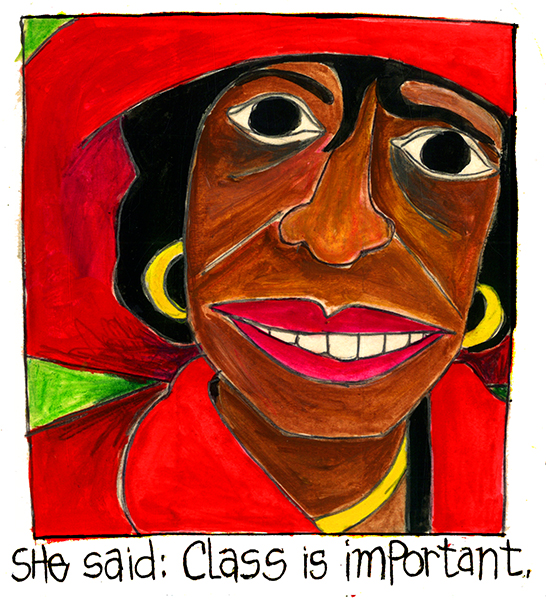
“I believe in class. Class will turn the heads of kings and queens:” Maxine
And then there was Maxine. Maxine Powell (1915-2013), although she was from Texarkana, Texas, she was raised by her aunt in Chicago. Here Maxine worked as a manicurist to pay for her acting studies. She also worked as a model and a personal maid. In 1945 Maxine moved to Detroit where she opened a finishing and modeling school to transform ugly ducklings into swans. Gordy’s mom and sister had been Maxine’s students and suggested Gordy collaborate with her. Maxine’s role was to teach the performers good manners, social graces, and grooming skills. Her most important role was that of mentor and motivator. The first day of class she always told her students that they needed to know themselves. Without knowing what your strengths and your weaknesses are, it’s easy to crumble.
After Motown left Detroit for Los Angeles, Maxine did not have the same kind of rapport with her artists as before. But years later, she secretly went to see Diana Ross perform on Broadway to see if Diana was still following her advice. Someone told Diana that Maxine was in the audience and Diana insisted that Maxine go on stage. Here the pop star hugged Maxine and told the audience; I wouldn’t be her now had it not been for this woman.
Class.

David Godin was a soul music fan. He collected R&B records and encouraged his classmate at Dartford Grammar School, Mick Jagger, to do the same. At that time, British music was very beige and only British music was allowed on British airways. But a pirate boat radio station invaded the frequencies and played Motown non-stop. Godin was so zapped by Motown that he founded the Tamla Motown Appreciation Society.
Gordy, who from the beginning wanted international fame, and, learning about the growing number of fans on the other side of the Atlantic, decided it was time for Motown to go to Britain. And in 1965, Motown arrived to tour England with performances scheduled in places like Liverpool, Wigan, Leicester, Manchester, Bristol, Cardiff, and Glasgow. So the Motown artists got on a bus and travelled around the English countryside going from one gig to another.
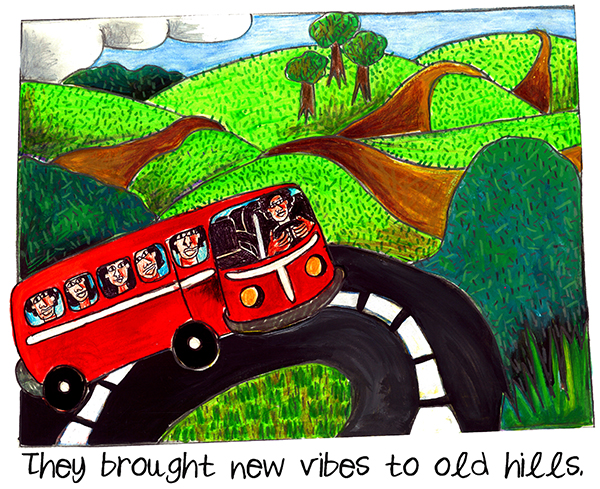
Unfortunately, the tour was not well organized. The singers (including The Supremes, Stevie Wonder, Martha and the Vandellas, Smokey Robinson and the Miracles) were forced to travel hours on a bus only to arrive at the venue and find it virtually empty. Sometimes they would only have a handful of people there to listen. Nevertheless, they would put on a professional performance.
But just a few weeks later, Dusty Springfield hosted a TV special introducing the British public to Motown. It was a big success.

Northern Soul.
Existence was bleak in Northern England. If you wanted to work, you had to work in a factory day after day, week after week, month after month. Life was repetitious and gray. Then an all-night dance club called the Twisted Wheel opened in Manchester playing only the Motown sound. The club was a hit and every Saturday, young people from all over the North, would take a bus or a train to go to the club with the intention of dancing all night. But to keep them animated enough to dance, they would take pills.
The success of Northern Soul hit a bump when, after the death of Martin Luther King, Jr and the return of Black American soldiers from Viet Nam, there was a major mood change in the music. The lollipop vibe turned into funk. But the Northern Soul dance style depended upon the 4/4 beat that new Motown releases were not providing. So old Motown songs that were B side or unknown were sought to keep the energy pumped up. But music is about taste and tastes change.
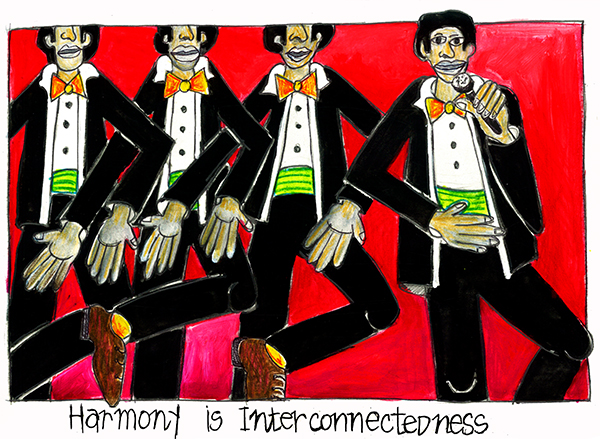
Motown was more than just music. It was entangled with the Civil Rights Movement and had an important role in boosting Black self-esteem. Jim Crow laws and racial segregation were still being practiced. But Blacks were ready for a major change. In 1955 in Alabama, Rosa Parks defied the bus driver’s orders to go to the “colored” section. In 1957, Elizabeth Ann Eckford was one of the first Black students to attend Little Rock High School in Arkansas. Thanks to a Supreme Court ruling in 1954, Brown vs. Board of Education, Elizabeth had a right to attend that high school. Nevertheless, the Arkansas National Guard blocked her and physically kept her from entering the school.
In 1963, Civil Rights groups united to organize the March on Washington. It was here that MLK made his famous “I Have a Dream” speech. The speech was so inspiring that King asked Motown Records if they could record for him.

LOTS OF LINKS!
When Motown Came to Britain (BBC Documentary) on Youtube
Related: Motortown Revue UK Tour, 1965 + Dave Godin, Esperanto-speaking vegan who became an apostle of soul + Inside Motown’s first UK tour: ‘We were treated like royalty’ + Motown: Six Months That Shook The World + British Invasion? This Is About The Time Motown Invaded England + Geraldo 1990 “Ladies of Motown” video + RSG! The Sound Of Motown 1965 with Dusty Springfield +
What Really Happened To Florence Ballard? + DREAMGIRLS, movie based in large part on Supremes and Barry Gordy …Jennifer Hudson like Florence Ballard, Beyonce like Diana Ross, and Jamie Fox like Barry Gordy + Lady Sings the Blues (1972) HD Movie + Diana Ross Drug Addiction + DREAMGIRLS movie + The Monarchs of Motown + Kennedy Center Honors Berry Gordy +
Berry Gordy Described Diana Ross as the Queen of His Life + Diana Ross’ childhood home + How Muddy Waters inspired The Rolling Stones + How Childhood Friends Mick Jagger and Keith Richards Formed The Rolling Stones + Songs That Influenced The Rolling Stones: 10 Essential Blues Tracks + the untold truth of Muddy Waters +
Maxine Powell, Motown’s Maven of Style, Dies at 98 + Maxine Powell – Former Director of Motown Charm + Maven of Motown: Maxine Powell – Etiquette Coach for Motown’s Greatest Artists + Maxine Powell – Interview Part 1 – 7/6/1986 + MAXINE POWELL CHARM MAVEN OF MOTOWN
Read online (archive). Berry, me, and Motown: the untold story + The Motown Story +
Motown and Civil Rights: How to Listen to MLK Jr.’s “I Have a Dream” Speech in Full + Detroit’s Walk to Freedom and Motown’s Contribution to the Civil Rights Movement + Jim Crow laws and racial segregation + in 1955, Rosa Parks defied segregation + Elizabeth Ann Eckford and being one of the first Black students at Little Rock High School +


 The Narrative Within
From making zucchini pesto to MoTown was quite a journey, a very interesting journey!
😆 thanks…pesto makes me wild 🌺