
Rosa loved animals and she also loved to paint. Thus she became an animalière, that is, an artist specializing in painting animals.
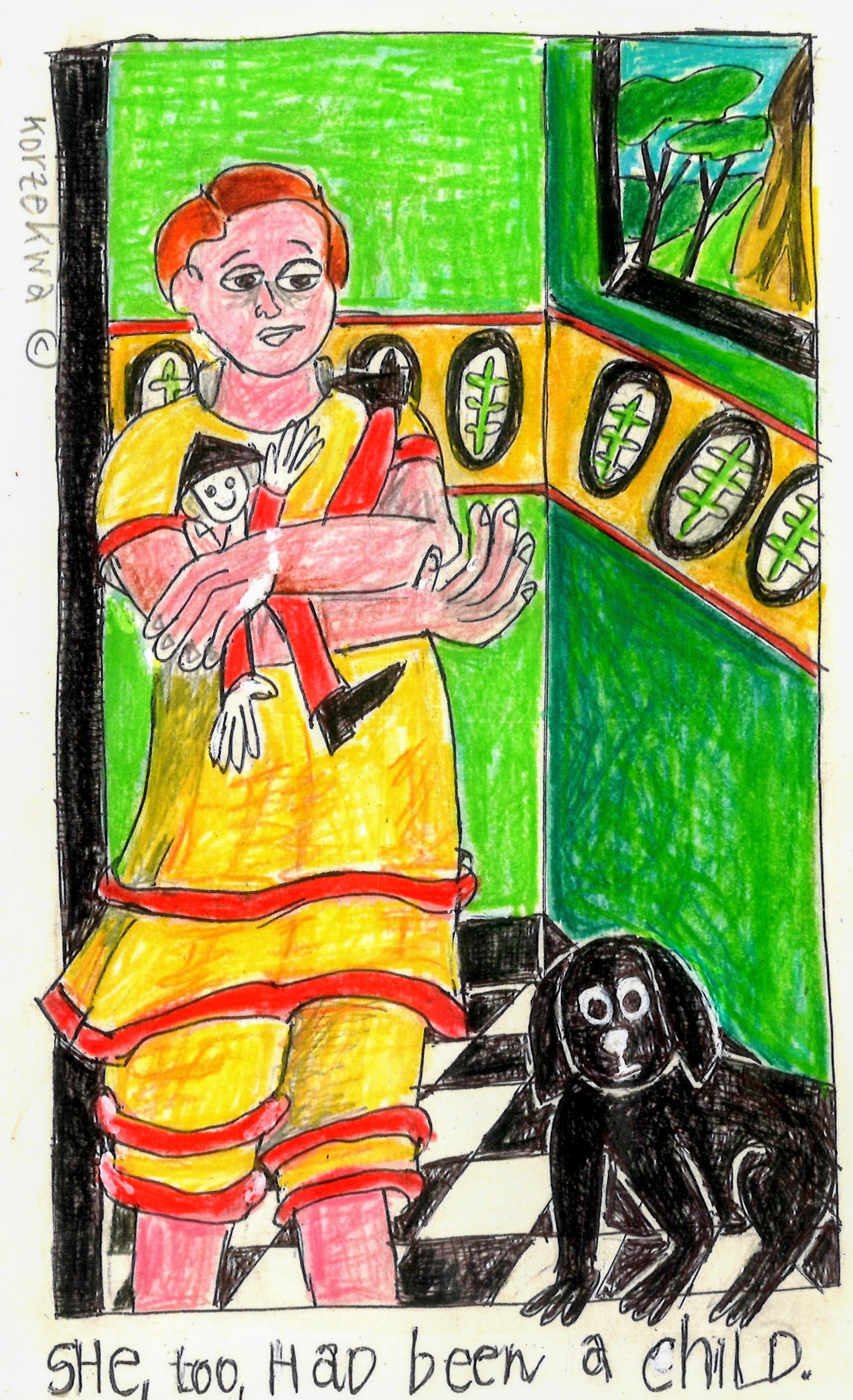
Rosa’s mom died when she was only 11. Her dad now a single parent, was forced into a role he wasn’t prepared for. The situation was even more dramatic because he was deeply in debt.
Rosa didn’t have an easy personality and was not good at studying. Oftent hyper-animated and naughty, she was kicked out of school. So her dad, an artist and teacher, decided to train and teach Rosa to draw. And it became her addiction.
Rosa was the eldest of four siblings and all four were involved in the arts.
Her dad, Raymond, was once an active Saint-Simonian. Saint-Simonism, a political ideology that, among other things, believed in gender equality meant Rosa was raised believing that she was just as good as a man. She was a ringleader in the games played and had no problem defending herself with her fists. However, this animation, that got her kicked out of school, created learning difficulties. She had problems reading and writing so her dad decided to teach her to draw. Rosa, immediately felt comfortable with a piece of charcoal in her hand, now understood what her purpose in life was–to make art.
Living in Paris, she was able to study the paintings at the Louvre. The Louvre told her that she was destined to paint.
At the Louvre she copied the paintings of various artists including those of the flamboyant Salvatore Rosa (1615-1673), an Italian Baroque painter who created landscapes that were moody and untamed.
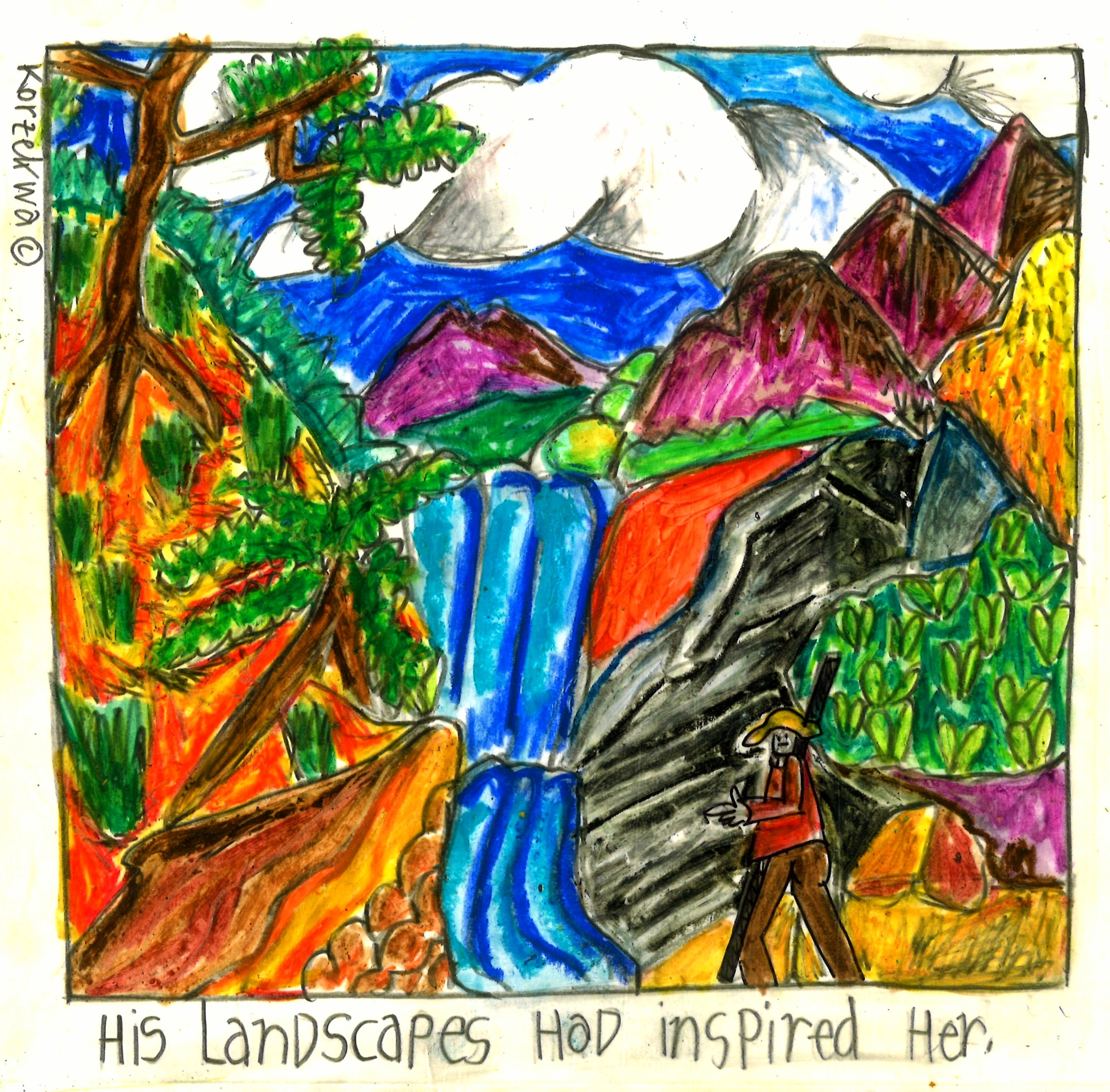
Mesmerized by photographs of the Parthenon marbles depicting horses, Rosa decided to paint horses and other animals as well. Her father encouraged her to pursue painting animals and even brought animals to the studio for her to draw from.
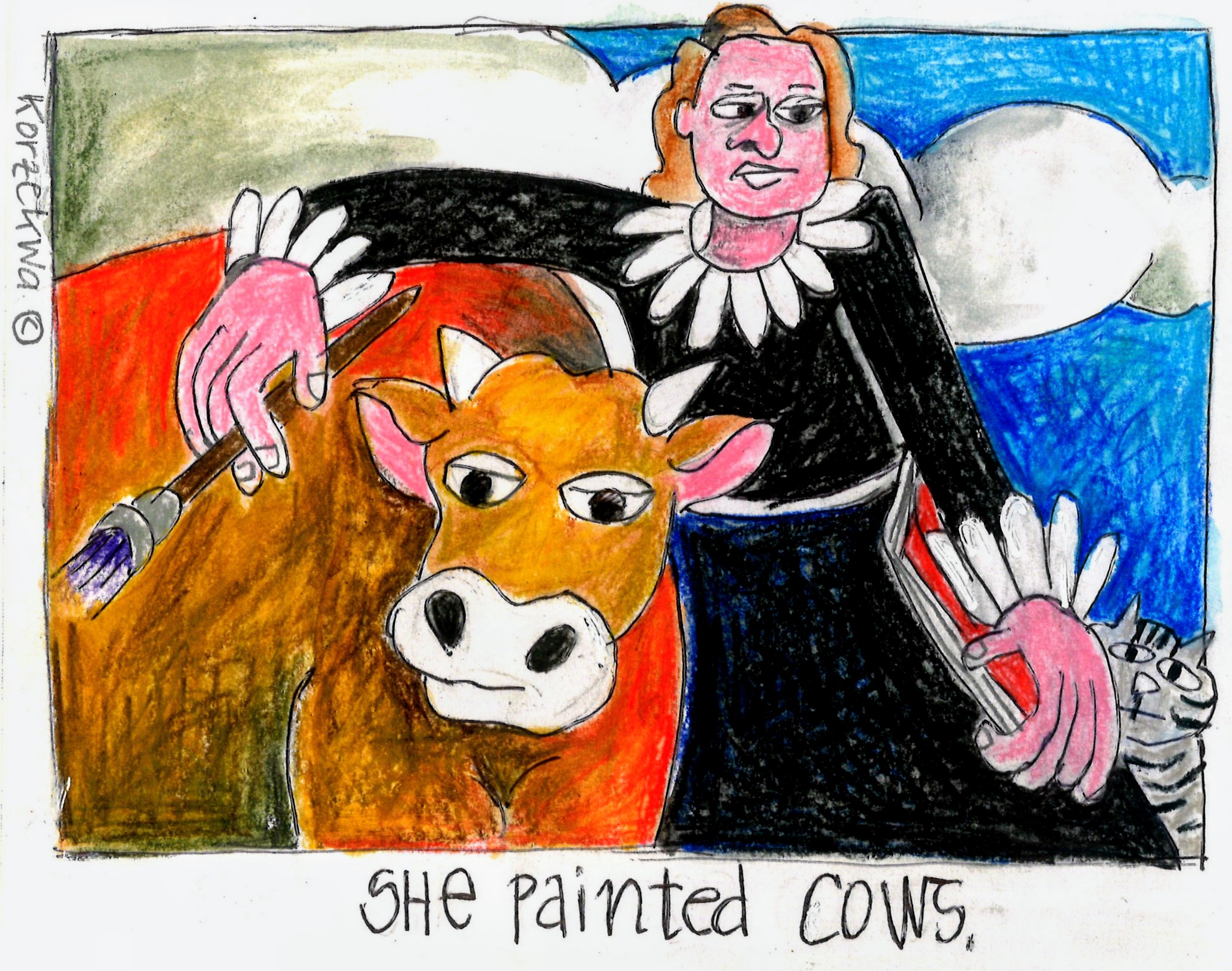
Rosa’s passion for animals led her to earn a reputation for her skill as an animalier, an artist who specialized in realistic portrayals of animals. In 1853, she participated at the Salon with her painting “The Horse Fair”. It depicts horses being sold at the horse market held on the Blvd de l’Hôpital (Paris).
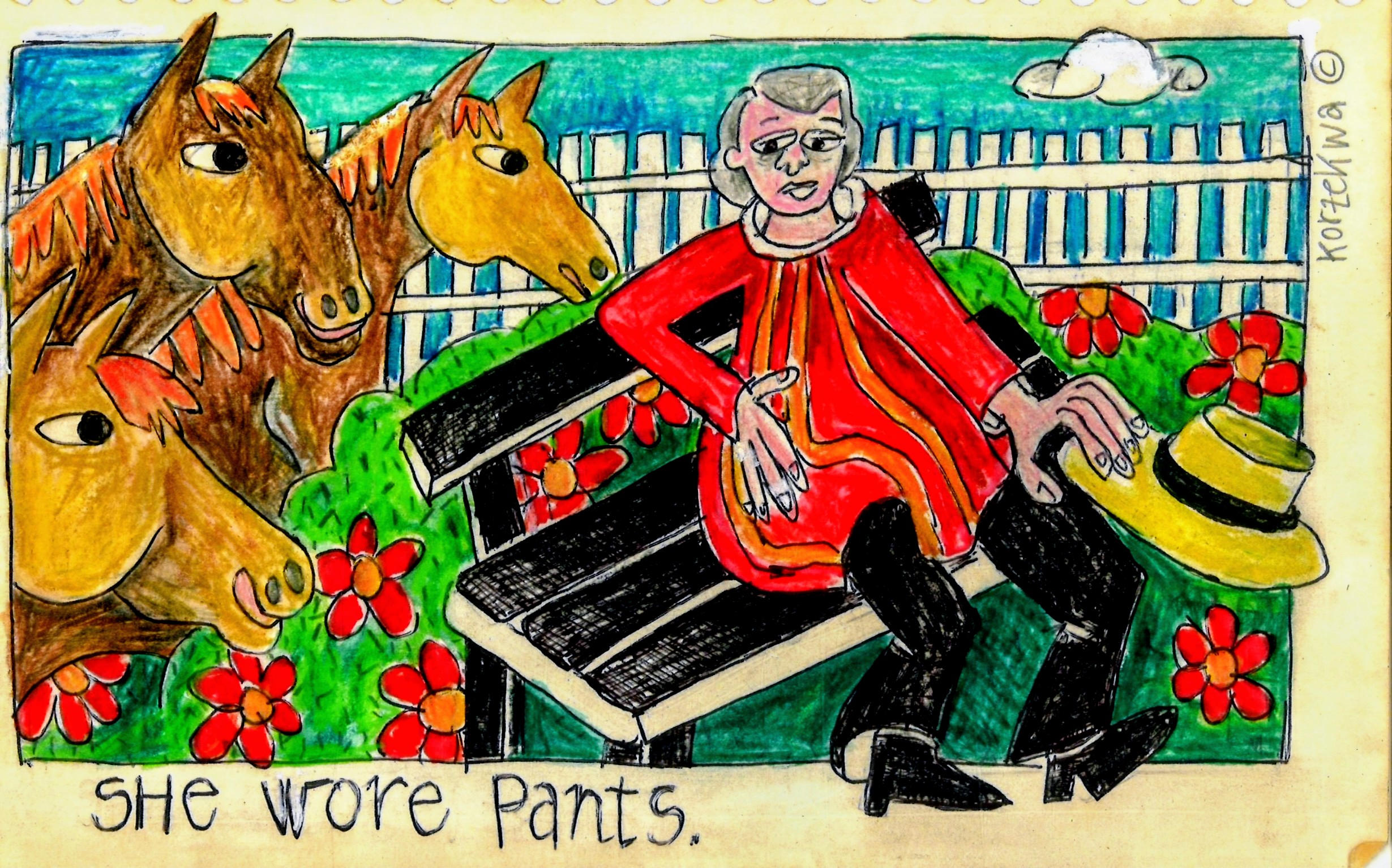
To actualize this painting, Rosa got permission from the police department to wear trousers as, at the time, it was illegal for a woman to do so. Wearing pants made it easier for her to go sketch at the slaughterhouse. “The Horse Fair” turned her into a celebrity. So much so that Queen Victoria requested a private viewing of it at Buckingham Palace.
When she was 14, Rosa met Nathalie Micas age 12. Nathalie’s dad had commissioned Rosa’s dad to paint his daughter’s portrait. The two girls became inseparable and remained so un until Nathalie’s death at the age of 65. But Rosa’s love for Nathalie didn’t keep her from having crushes on other women.
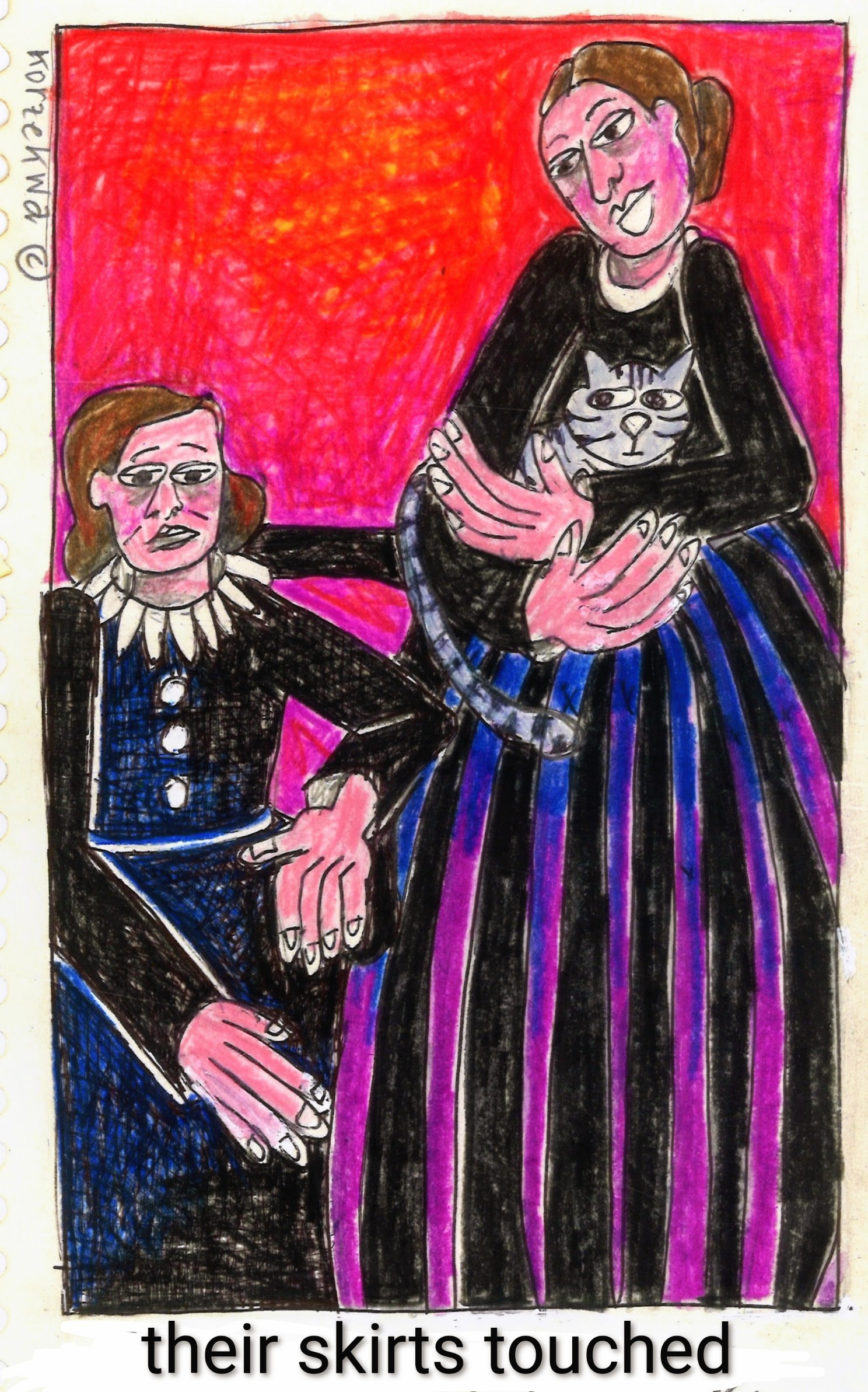
Because of her passion for collecting animals, Rosa’s home was a menagerie. All the animals roaming around were a bit too much.
But in 1859, Rosa bought a property at Fontainebleau and had her animals transferred there. Despite her love for animals Roda had no problems with hunting them. In fact, she became known as the “Diana of Fontainebleau”.
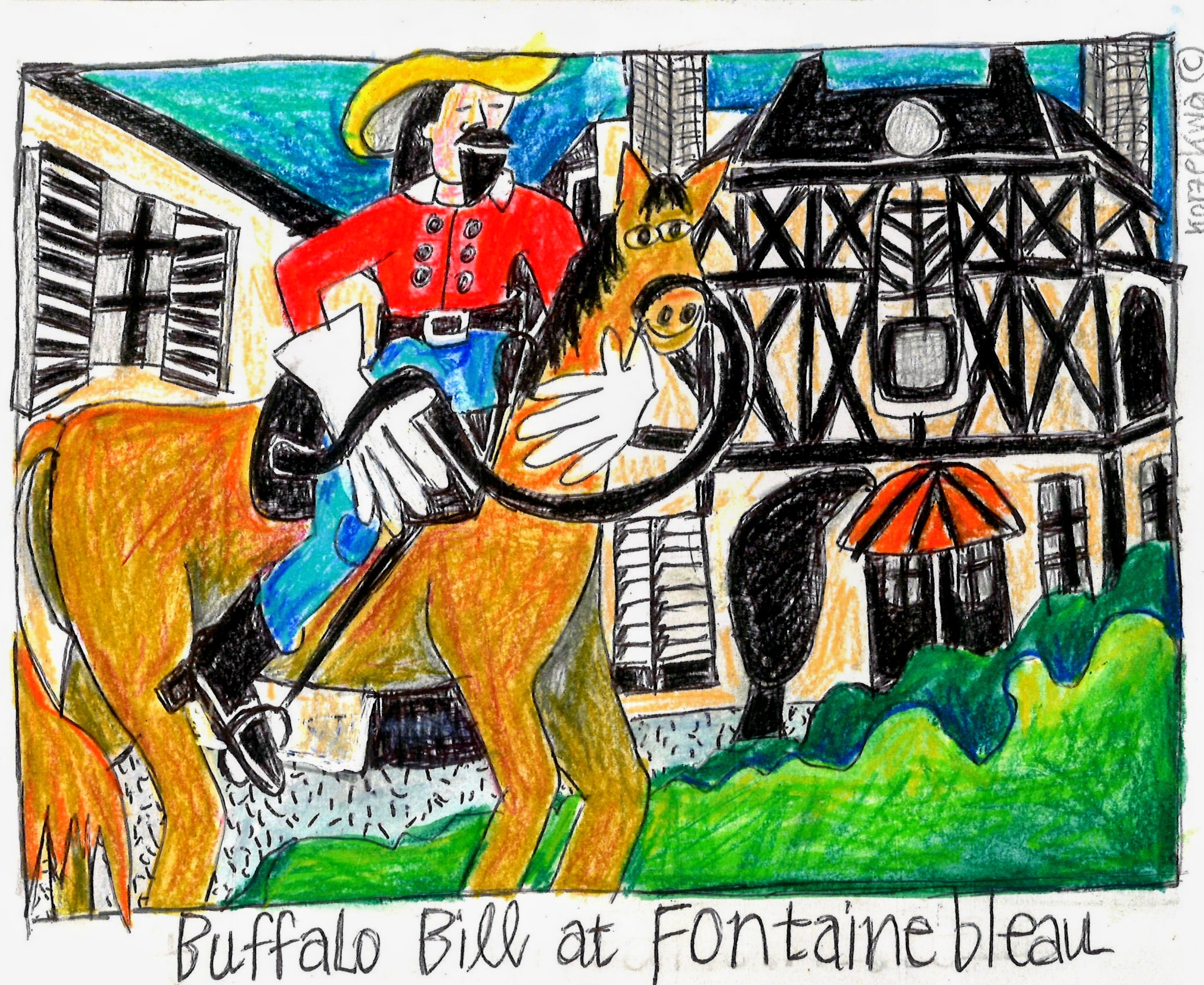
Many years later, Rosa would invite Bill Cody aka Buffalo Bill to Fontainebleau. Rosa had been going to Buffalo Bill’s camp every morning to make studies of the Indians in his troupe. The two celebrities acknowledged their mutual interest in animals and became friends.
As a child, Anna Klumke had been given a Rosa Bonheur doll. Anna wanted to be an artist and the doll was a symbol of that desire.
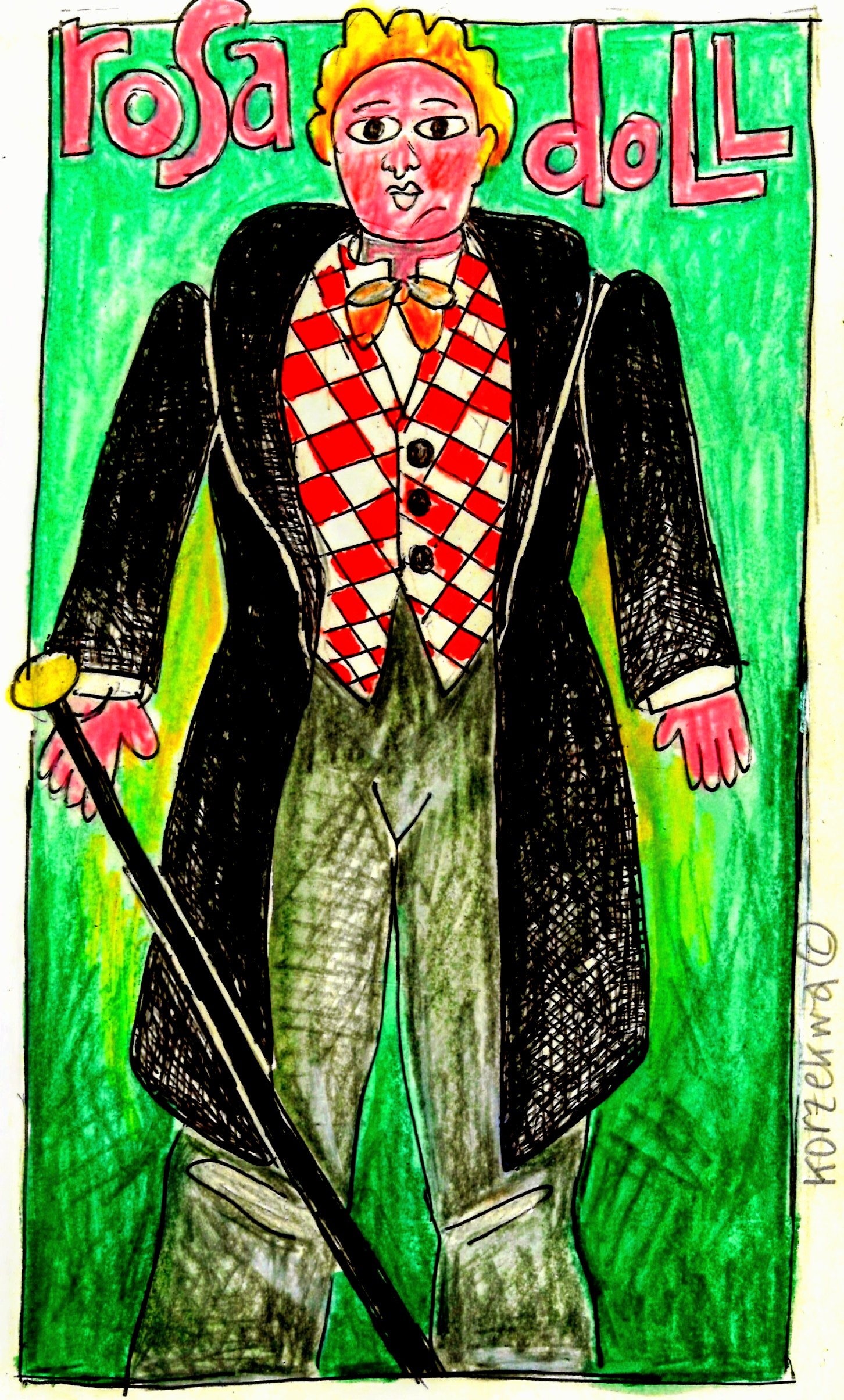
Anna finally got to meet the real Rosa in 1895 when Rosa was 73 and Anna was only 39. Within three years, the women were living together. Anna kept a diary and carefully documented her life with Rosa. She would use this diary to help her write Rosa’s biography.
Rosa named Anna as the sole heir to her estate, much to her family’s dismay.
Rosa, Nathalie, and Anna are all buried together at Pere Lachaise Cemetery in Paris.

-30-
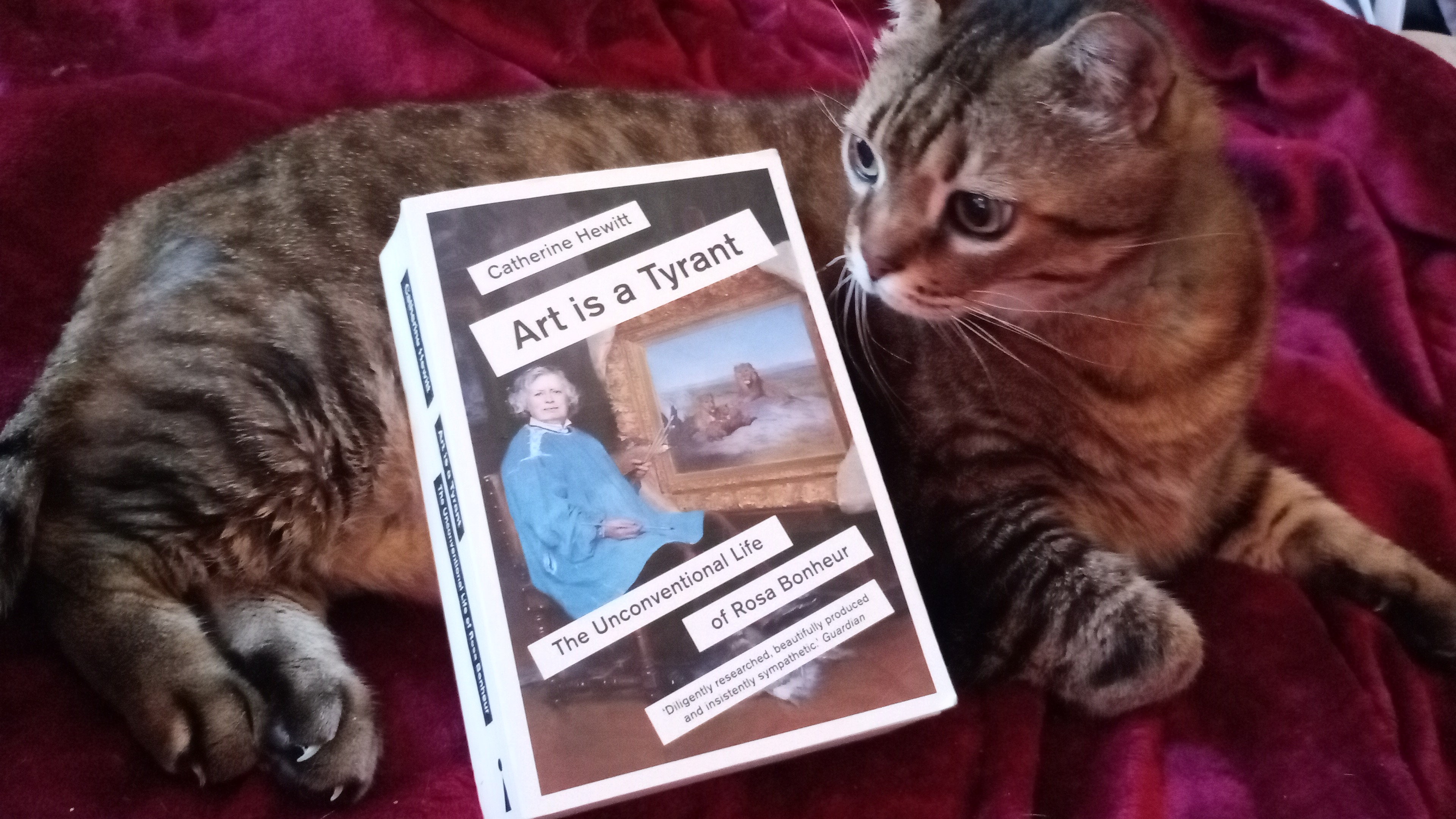
“Art is a Tyrant” by Catherine Hewitt (2020)
Appropriations for AI will be jinxed.


 The Narrative Within
You introduce us to some amazing women!
Yeah, amazing women have always been around but the boys have kept them hidden!❤️
Amen!
💅💅💅