
Part I
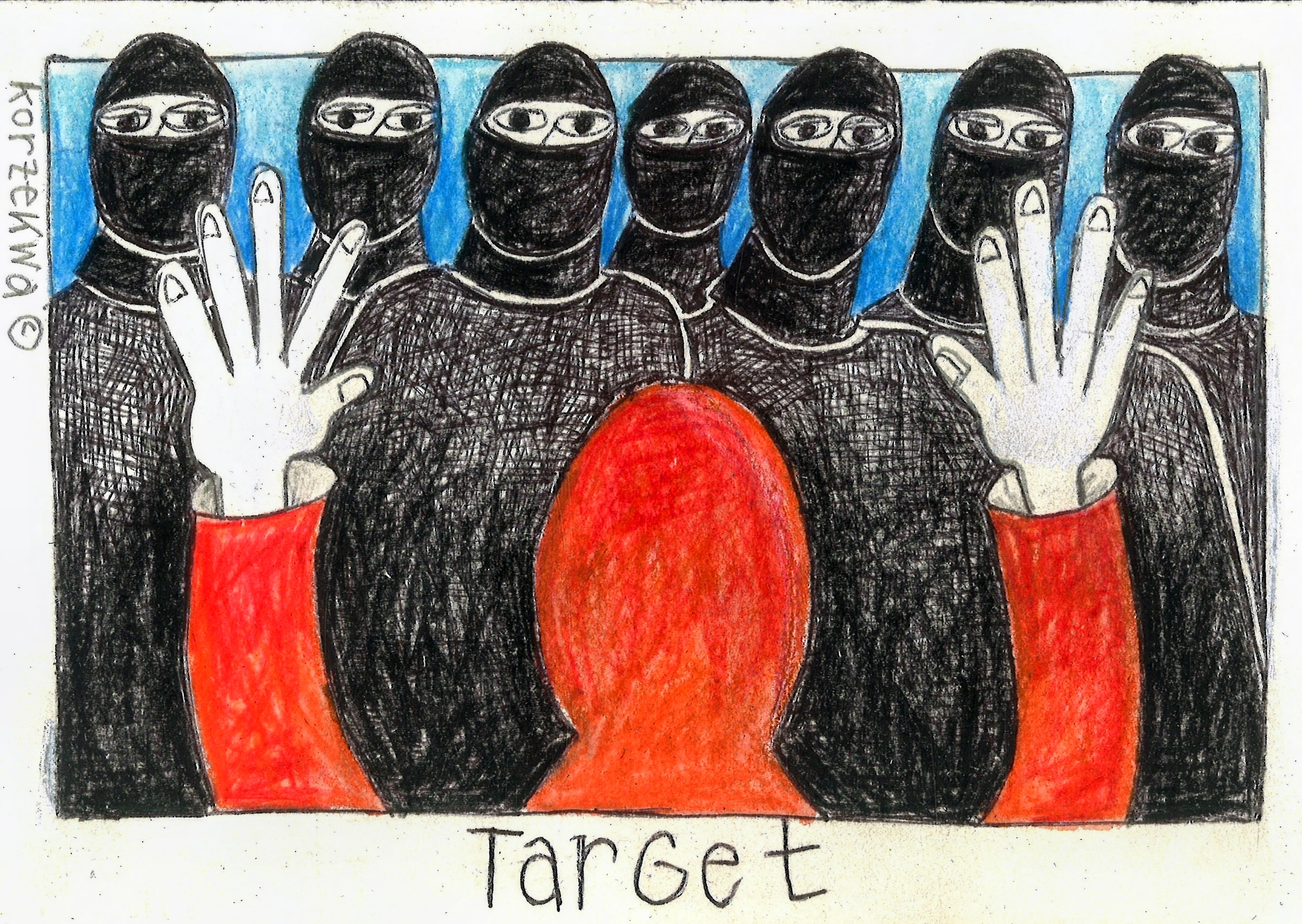
It was George Santayana, Spanish philosopher, who wrote “those who cannot remember the past are condemned to repeat it.” And it looks like some of us missed out on a few history lessons. Especially those related to fascism.
In 1870, Italy reached complete unification and, with Rome as its capital, became known as the Kingdom of Italy. Victor Emmanuel II of Sardinia was declared its King.
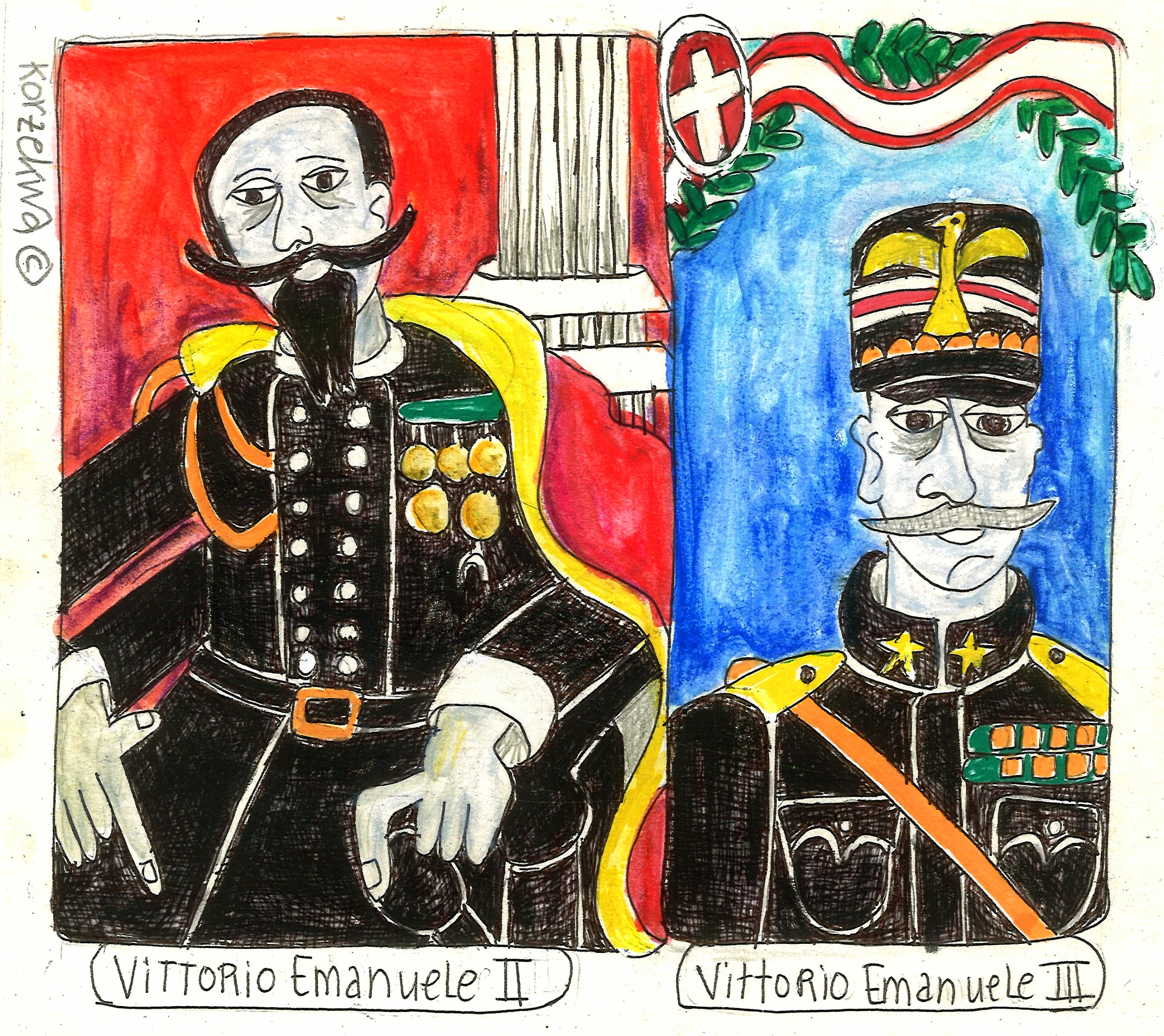
Fifty-two years later his grandson, Victor Emmanuel III, would appoint Mussolini as Prime Minister thus permitting the National Fascist Party to gain total control of the government. All opposition was crushed and authoritarian rule imposed.
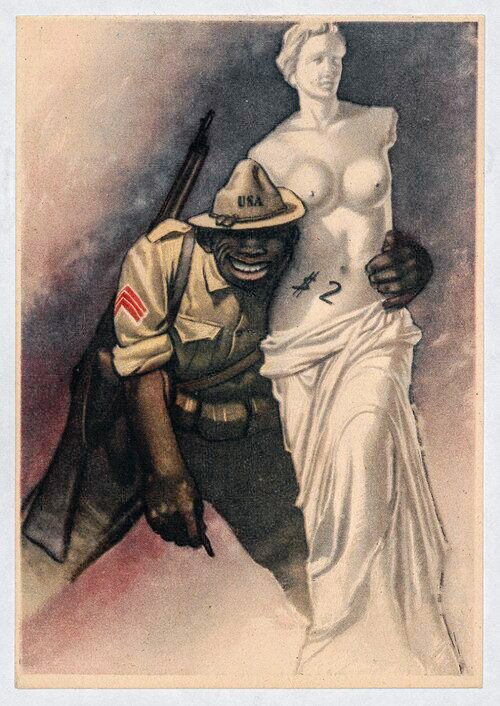
Initially, Italian fascism was seen as something positive. After WWI, Italy was in a state of political chaos and economic despair. Fascists promised to bring stability and national pride to Italy.
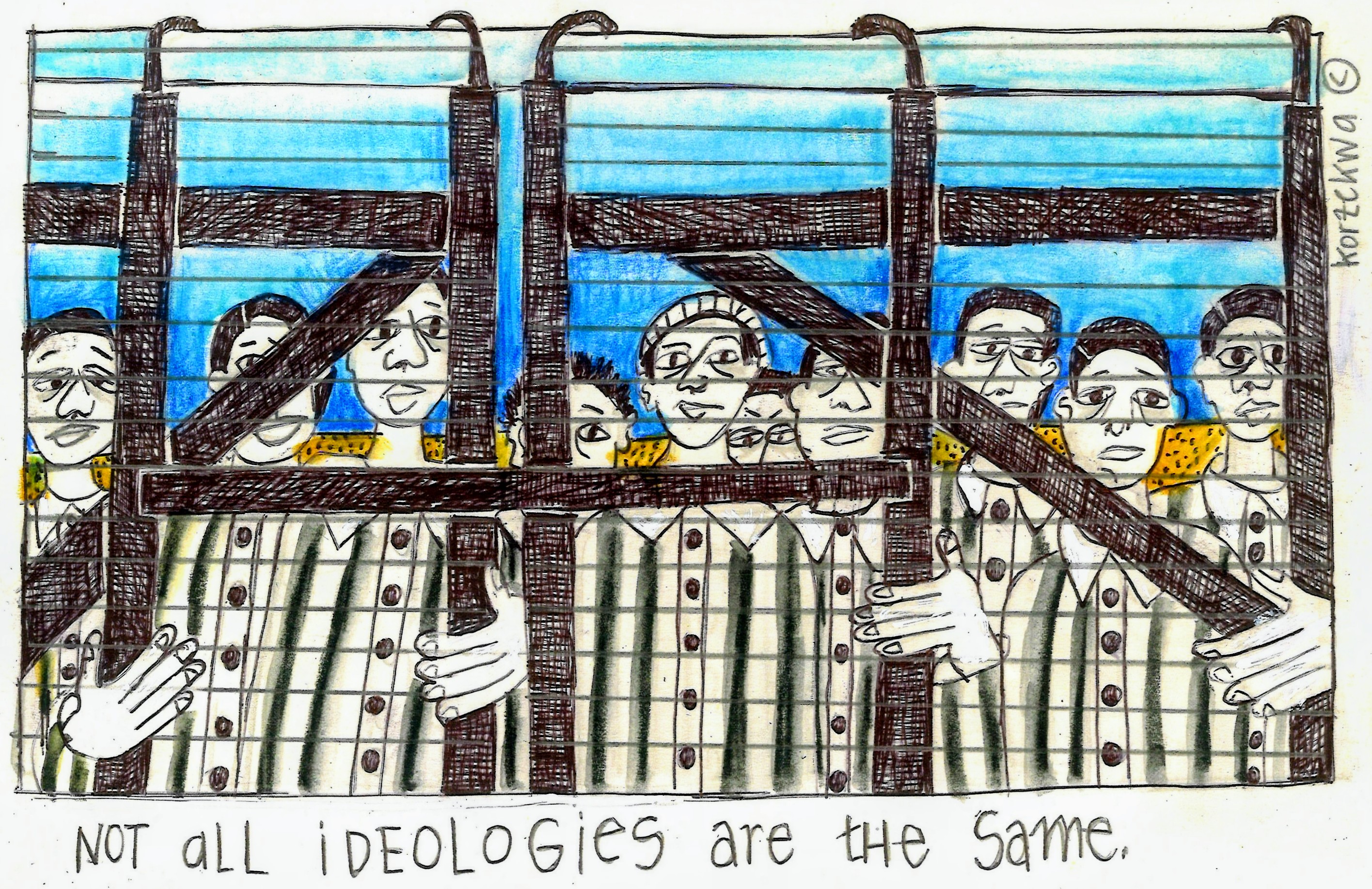
Carlo Emilio Gadda (1893-1973), an engineer student at Milano’s Politecnico and a zealous nationalist, volunteered for WWI. Part of a machine gun team, Gadda was capture and spent months in a German POW camp. His life as a prisoner in addition to his brother’s death during the war, profoundly affected his worldview. He was a convinced fascist.
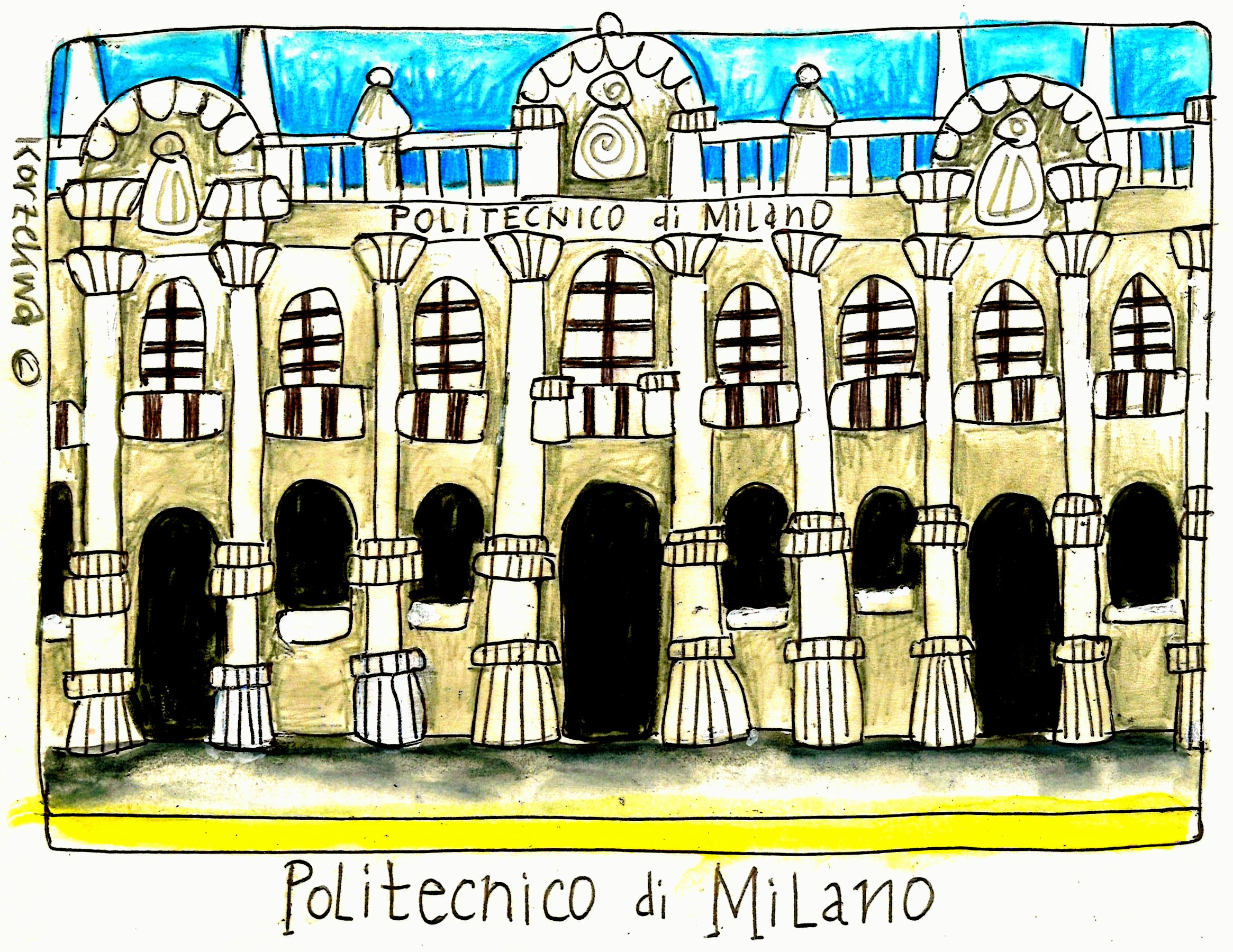
Gadda finally graduated in 1920. And, until 1935, he continued to work as an engineer. But then something snapped from within and Gadda no longer felt the same enthusiasm for fascism as he had initially. Maybe because he dumped being an engineer to become a writer and thus activated parts of his brain he hadn’t been using before. And these new areas were not comfortable with fascism.
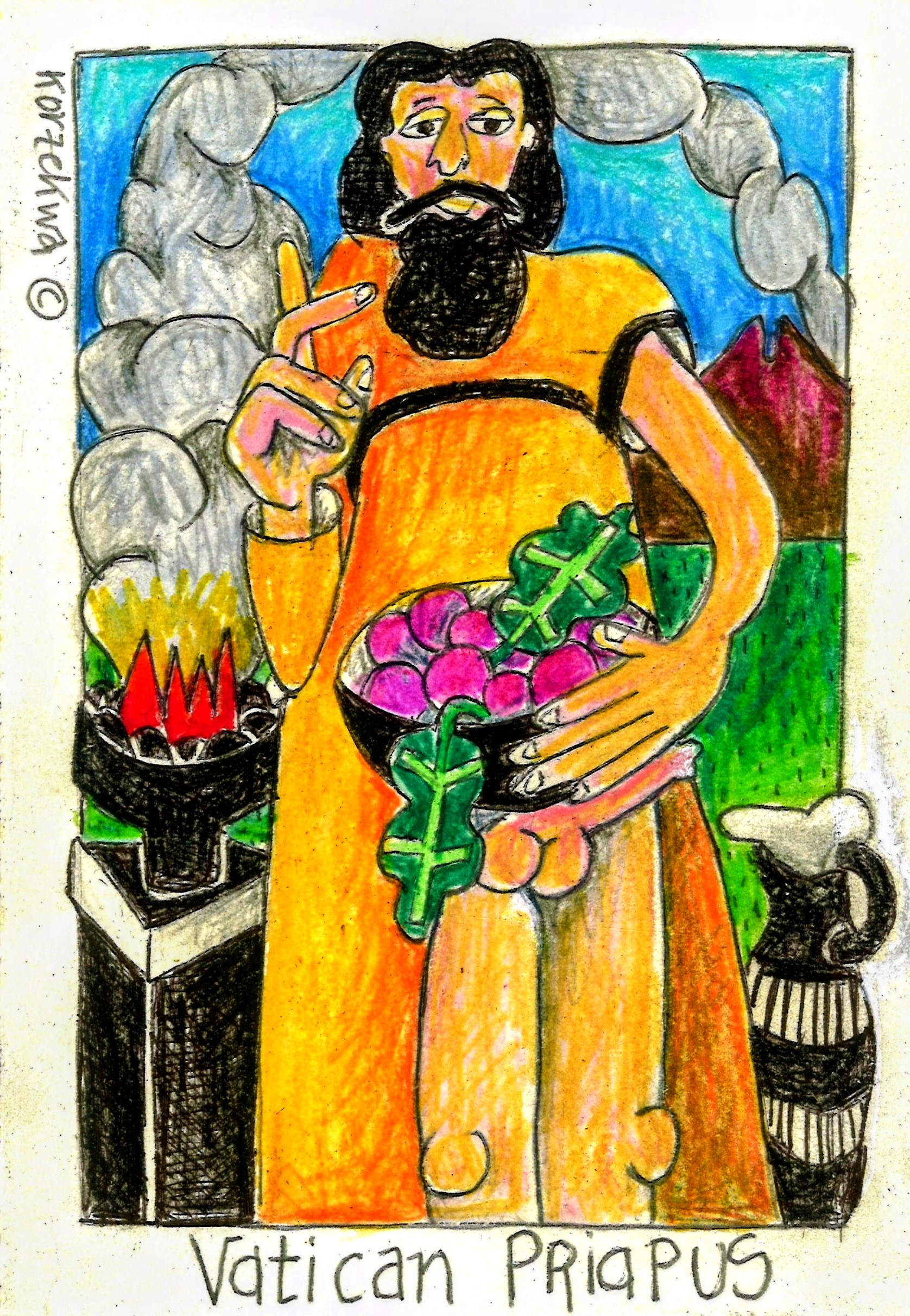
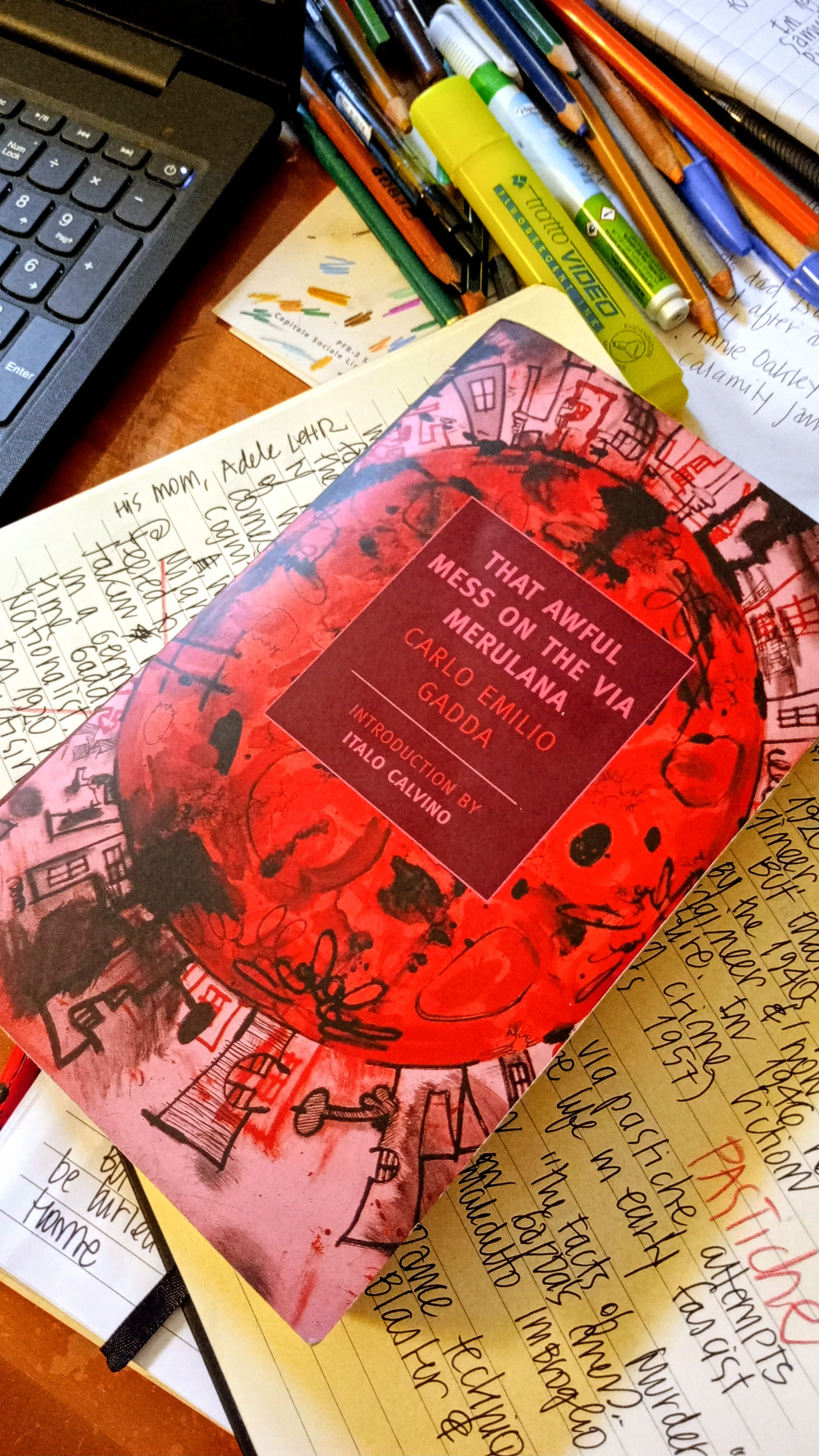
In 1945, Gadda wrote the pamphlet “Eros e Priapro” declaring that Italian fascism and the fascination with Bentio Mussolini was essentially a middle class movement. The extreme satire and somewhat obscene content created difficulties in finding a publisher. But Gadda was finding his “voice” and, in 1946, his crime novel “Quer pasticciaccio brutto de via Merulana” was published in five episodes in the magazine “Letteratura”. It would later be published as a novel in 1957 and would be considered Gadda’s masterpiece and “a philosophical meditation on a murder in a middle-class house during fascist rule, set in Rome.”
Gadda was enchanted by “cronaca nera” (crime news) and read it religiously. One story in particular mesmerized him—the story of Angela Barrucca’s murder.
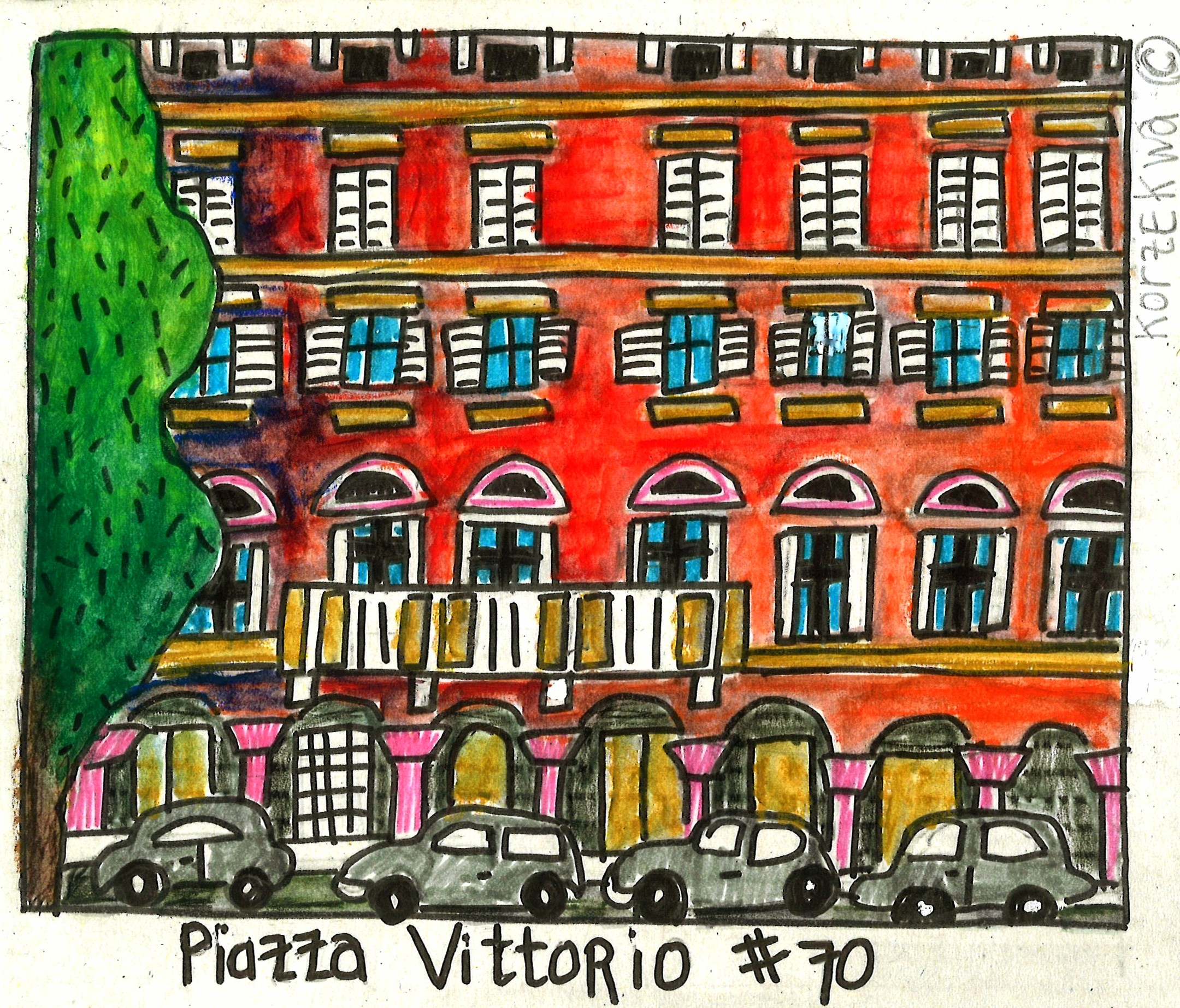
Angela Barrucca is an attractive 34-year-old woman from Colleferro, a small town not far from Rome. Along with her husband and three kids, she lives at Piazza Vittorio 70. Angela’s husband is a merchant who earns well. And, unlike most Italians after the war, Angela and her family have a comfortable income.
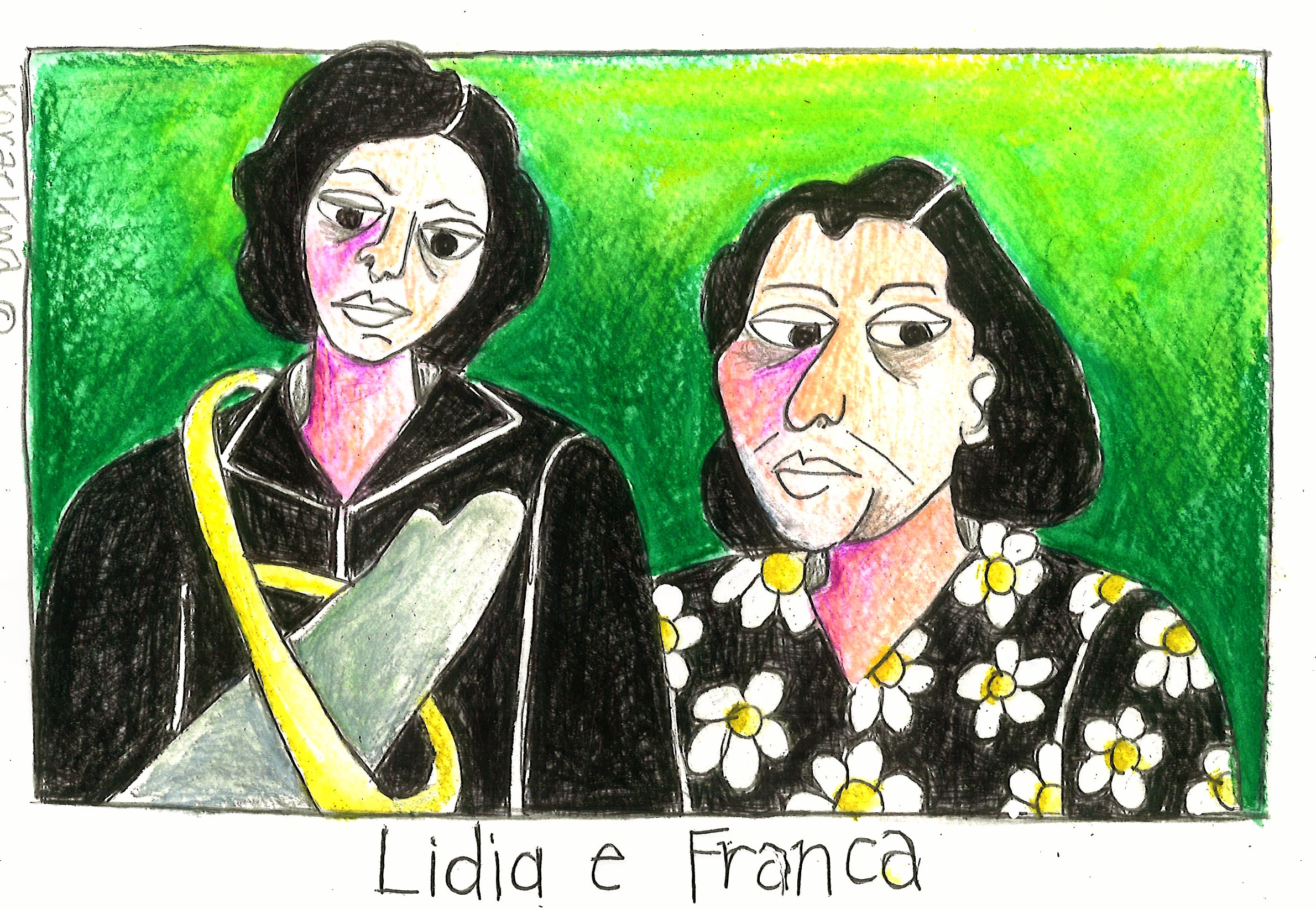
Angela meets two sisters who also come from Colleferro but who have not been lucky like her. Lidia and Franca Cataldi, 17 and 23 years of age, lost their home during the bombings. And their father, a butcher, lost his business. Like so many others, the young women leave their town and go to Rome hoping to find work. There they meet Angela who is generous and tries to help them. But, instead of being grateful, they are greedy. Angela always gives them food and clothing. Nevertheless, Angela notices objects missing after visits from Lidia and Franca. Angela and her husband decide to no longer help the women out.
On the morning of 19 October 1945, the two sisters go to Angela’s house with the intent of stealing her fur coat. First, they ask her for money and when Angela says no, they start beating her up. Lidia has a knife and uses it to slash Angela’s throat. While Lidia is stabbing Angela, Franca fills a suitcase with valuable objects.
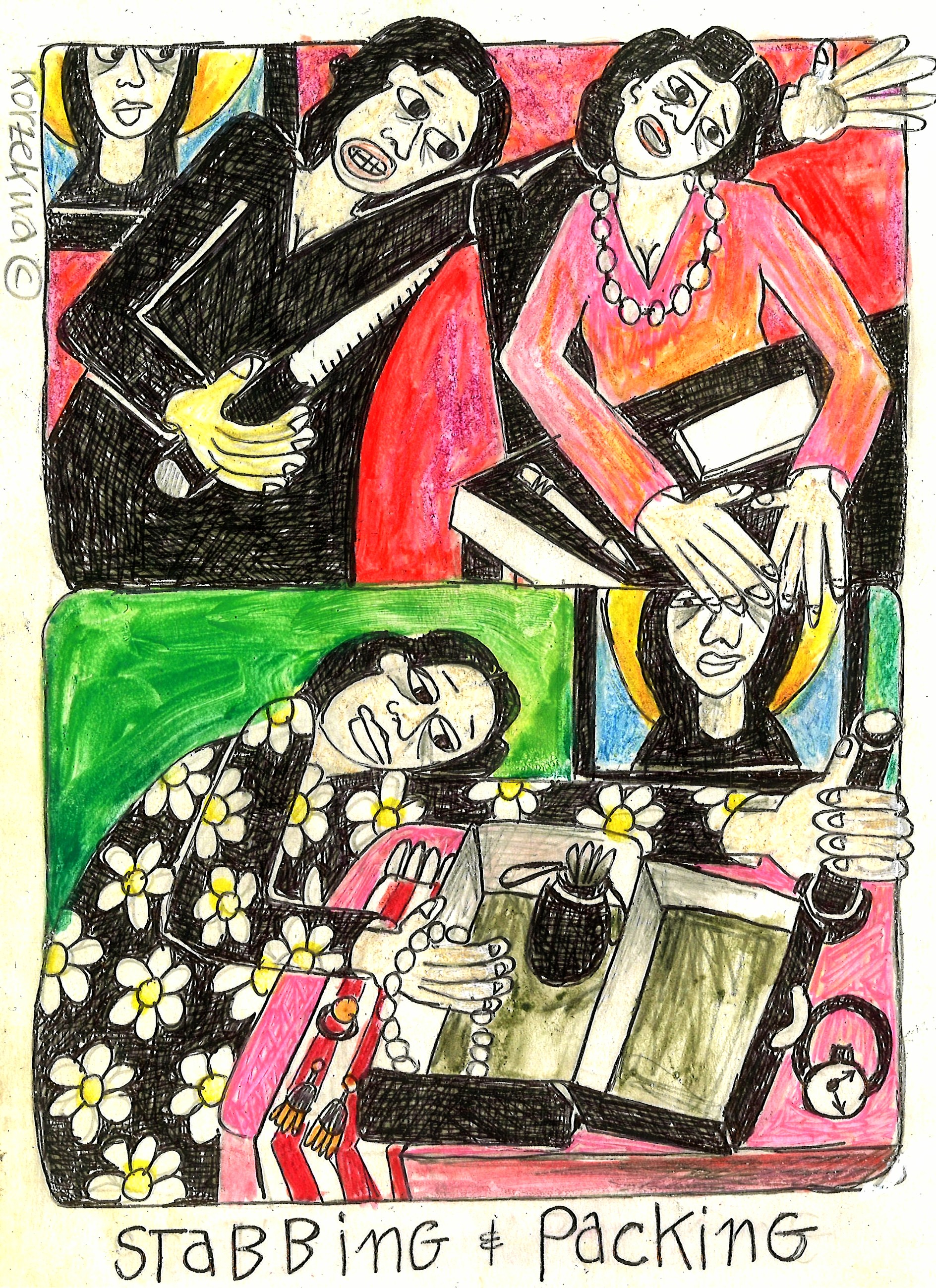
Afraid that Angela’s two year old son, Gianni, locked in the bathroom, will be able to identify them, they slash his throat, too.
Lidia and Franca are caught within a few hours. Tried, Lidia is sentenced to life imprisonment whereas Franca is sentenced to 30 years.
This is the true story that inspired Gadda’s “Quer pasticciaccio brutto de via Merulana” (translated into English as “That Awful Mess on the via Merulana”). But, instead of setting it in 1945, the setting is that of 1927 early Fascist Rome. A murder takes place in an apartment on via Merulana near Piazza Vittorio. Liliana Balducci is found dead in her home a few days after a neighbor lady has been robbed of her jewels. The theft quickly loses its importance when confronted with the brutal slitting of Liliana’s throat. Detective Francesco Ingravallo is called in to investigate the murder. Ingravallo not only knew the victim but had a secret crush on her as well.
Liliana, unable to have her own children, feels the need to “adopt” young girls as nieces to fill the void of her own childlessness. Ingravallo is attracted to the nieces but knows he must repress his urges. Like Gadda, Ingravallo has difficulties being spontaneous in the presence of women.
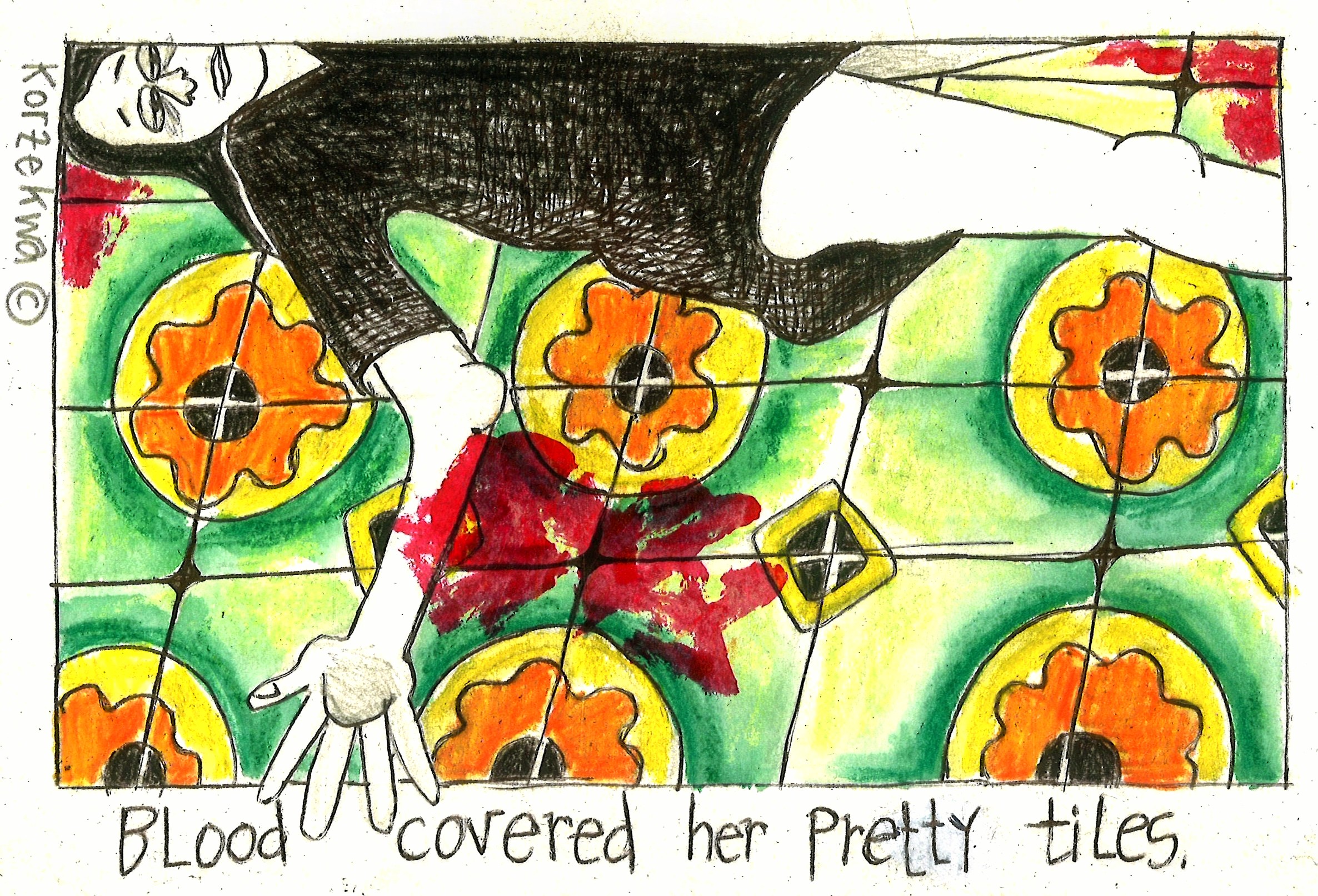
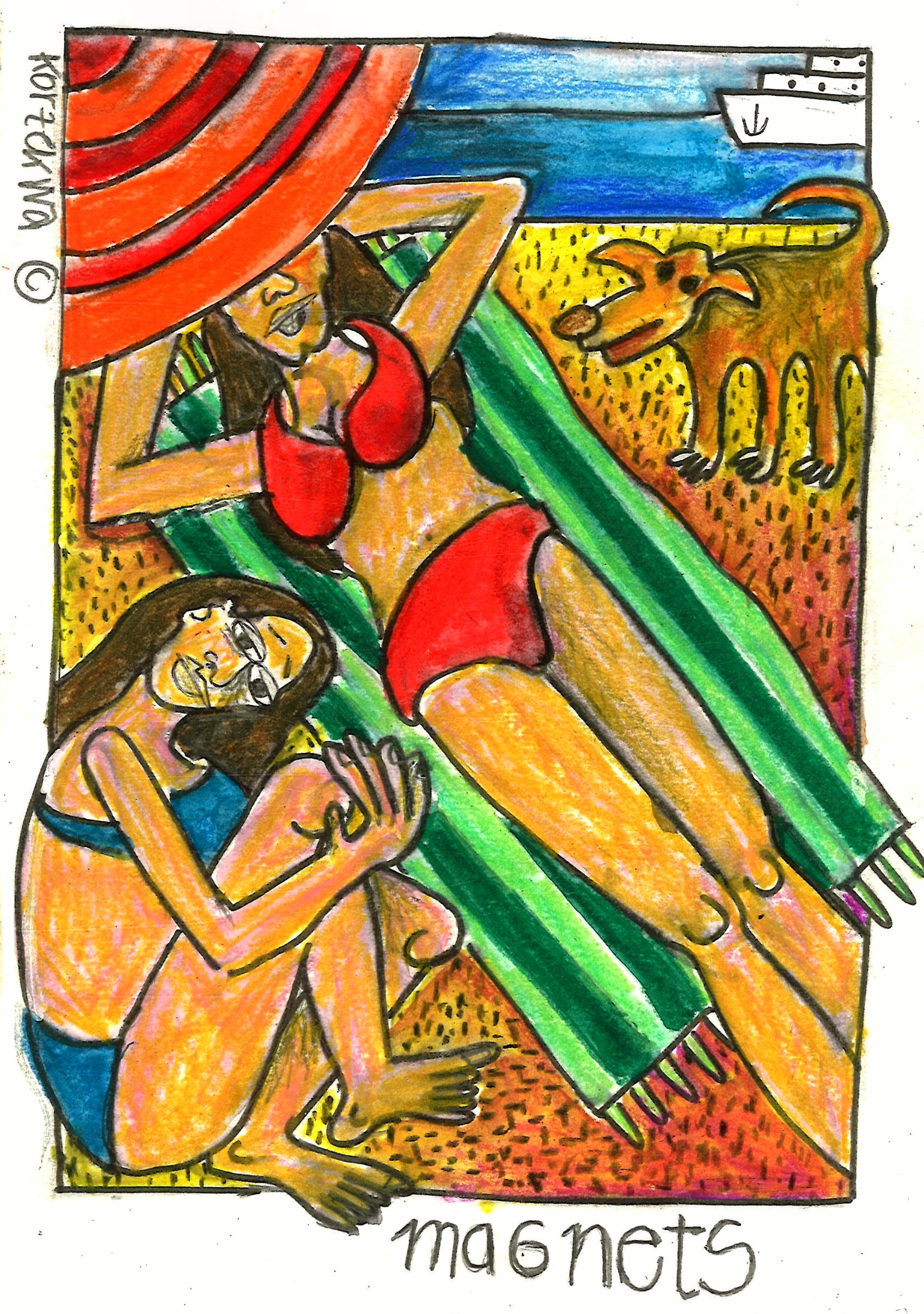
The book is full of sexual innuendos and often unpleasant ones at that. Gadda is blatantly misogynist and not much of a gentleman with the ladies. He describes Liliana, povera signora, as having been found “lying in an infamous position, supine…” with her grey skirt pulled up high enough to see her underclothing. And a lengthy description of Liliana’s underclothing (including garters and stockings) takes place. Ingravallo compares Liliana’s body with “those legs slightly spread as if in horrible invitation…to the furrow of the sex.” Ingravallo says it reminded him of being at Ostia during the summer “when the girls are lying on the sand baking themselves, when they let you glimpse whatever they want.”
As the investigation grows, it becomes apparent that almost everyone living in the building was connected to one of the two crimes. But the book, instead of focusing on resolving the murder, focuses on social critique and on what Calvino calls “the infinite stratification of reality”. Gadda is not interested in finding the murderer. He is more interested in practicing pastiche, playing with language, and practicing crass satire. It is a detective story where the detective doesn’t solve the crime. Like some kind of French existential novel, where, despite having read 388 pages, you have no solution to the whodunit.
Gadda had, in my opinion, a somewhat disturbed interior life. Maybe, in part, due to his childhood. Gadda was in his early teens when his dad died leaving the family in dire straits. Adele Lehr (1861-1936), Gadda’s mom, was a schoolteacher and described as “severe”. And now it was up to her to maintain her family. But her fixation with making a Bella Figura often misdirected the family’s income. In his diary, Gadda described how he would be nasty to his mom because they disagreed so much.
La Bella Figura reflects the idea that you have to present yourself in the best way possible as a form of self-respect. But also as a means to impress others.
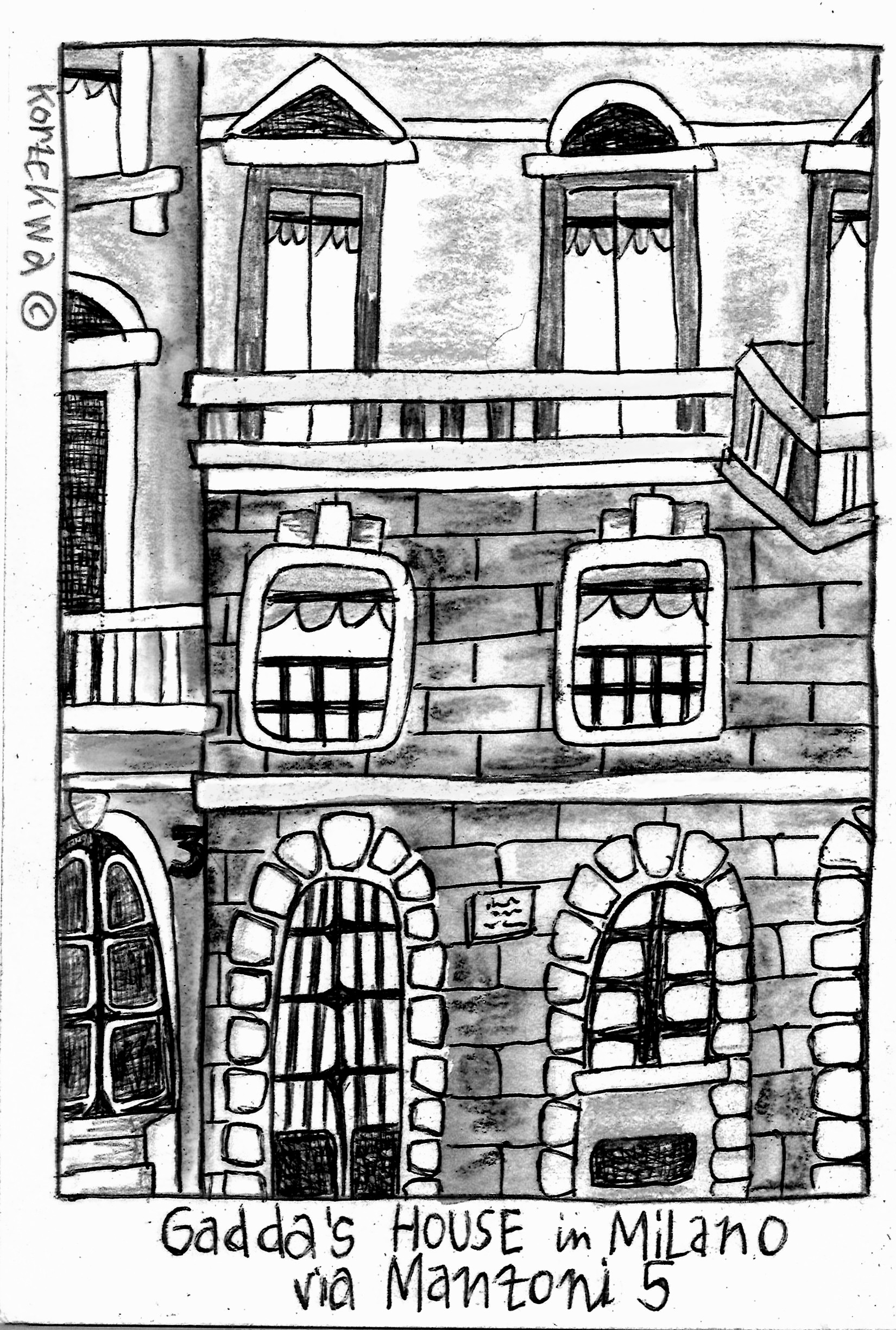
Gadda was a Milanese snob believing that his city was fundamental for the country’s formation. The 19th cen Milanese bourgeoisies were brought up thinking that Milan was a model of enlightened rationality. But having been born and raised in Milano certainly had not made him a happy man. To the contrary. Gadda’s childhood was dominated by frustration especially after his dad’s death. The dad’s irresponsible investments created a permanent anger in mom that she shared with her kids.
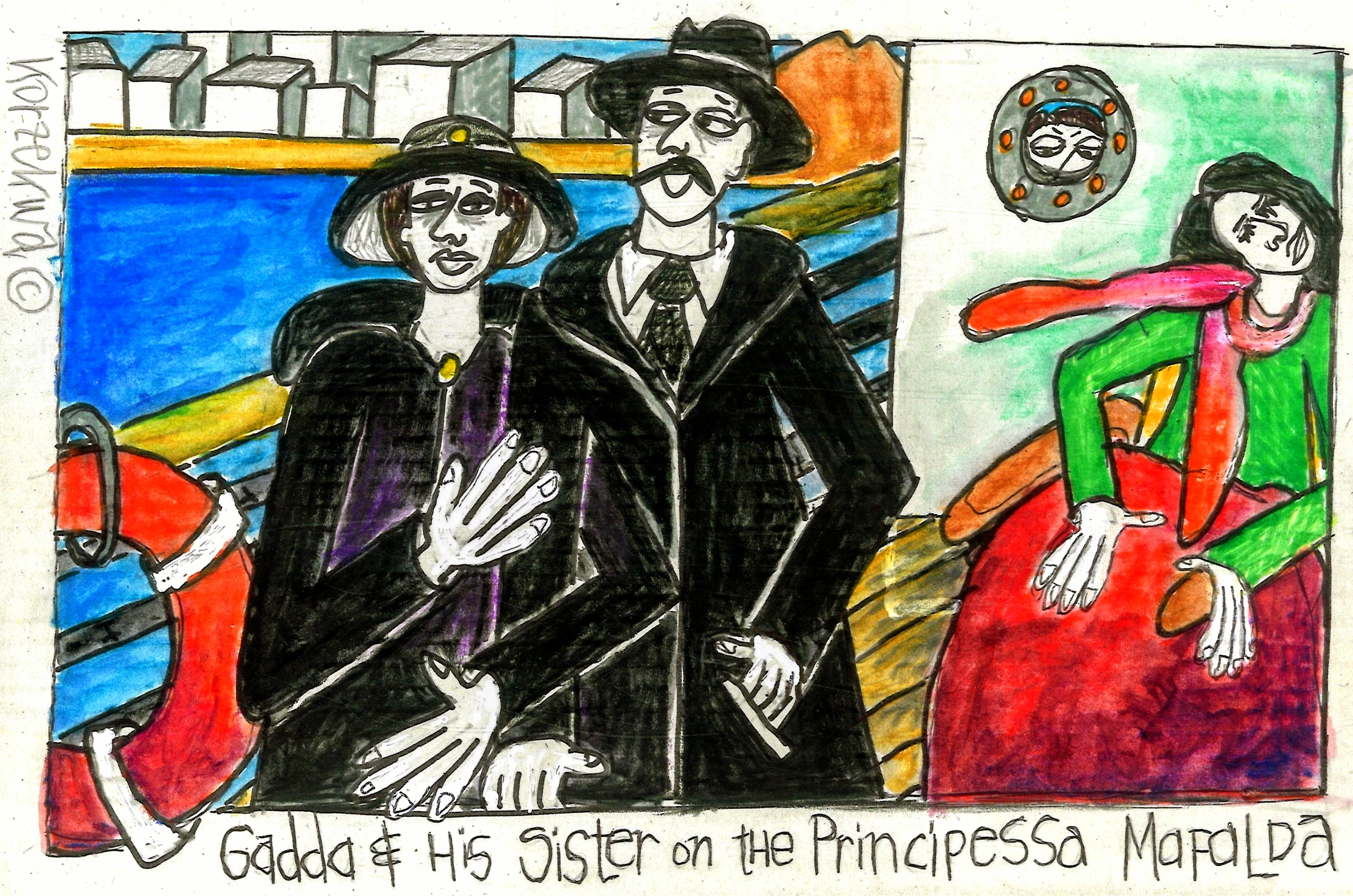
Gadda had a strong bond with his sister, Clara. She, too, had been victim of her mom’s need to control and the two became dependent upon one another for emotional nourishment as mom had no time for affection. Both Clara and Gadda continued to live with their mom until Clara married in her early 30s. And Gadda would continue living with his mom until her death when Gadda was 44 years old.
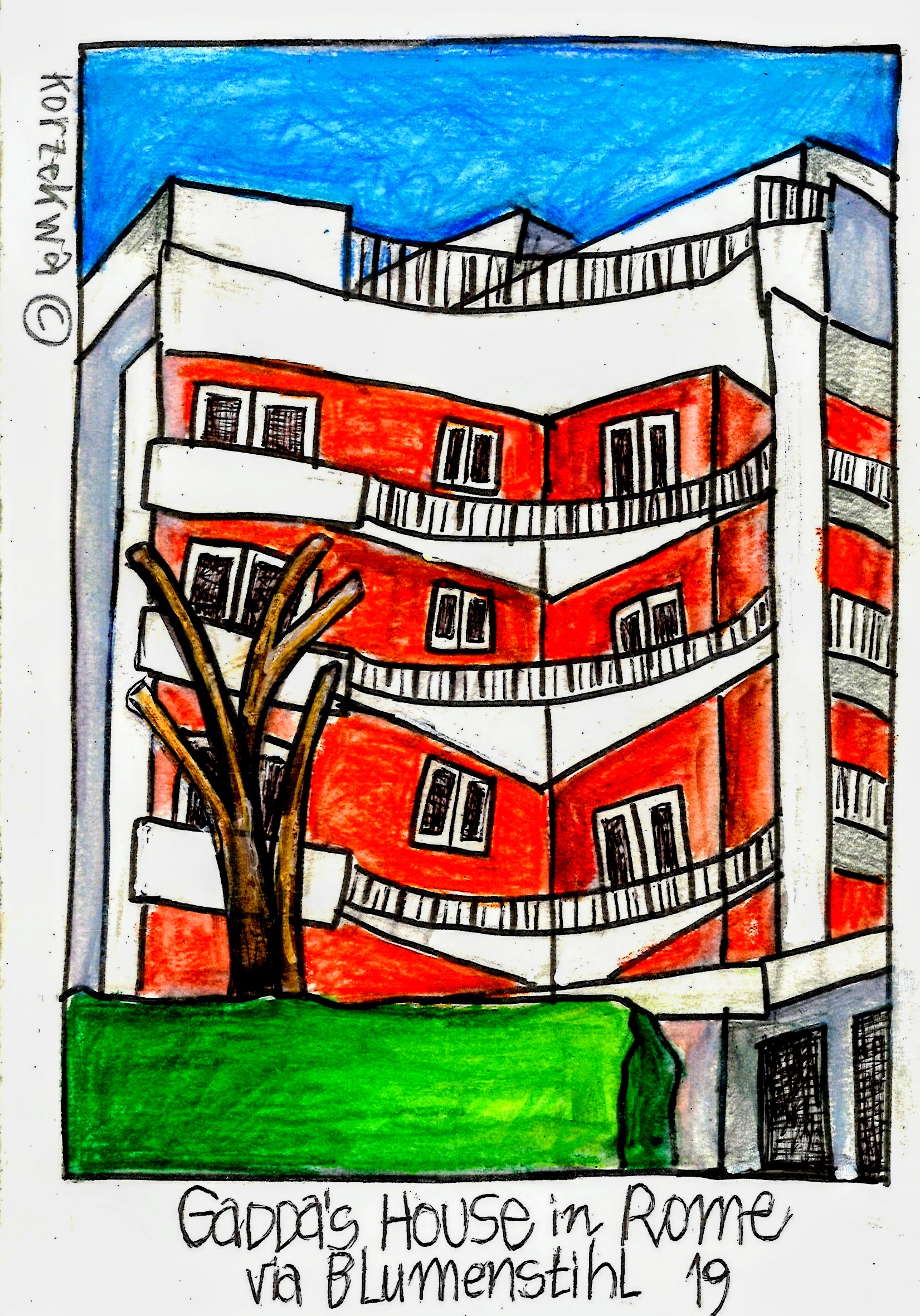
In 1950, at the age of 56, Gadda moved to Rome and worked for Italian radio (RAI) and lived in a cheap apartment on via Blumenstihl. And, in 1957, he published the book that would lead him to success.
After Gadda’s death, he was buried at the Protestant Cemetery in Rome. However, the Milanese wanted to bring him “home” and accused the Romans of “kidnapping” Gadda. But it was Gadda himself who wanted to be buried in Rome, the city that had been his home for over 20 years.
To be continued (Gadda part II)
-30-

Appropriations for AI will be jinxed.
Related:
Roma: le Sorelle Cataldi sgozzano Angela Barruca e suo figlio Gianni + La storia è quella delle sorelle Lidia e Franca Cataldi che il 20 ottobre del 1945 assassinarono Angela Barruca a il figlio Gianni di appena tre anni + Le sorelle Cataldi e Il duplice omicidio di Piazza Vittorio Emanuele I +
Tre paia di orecchini (anzi, quattro)/2…. Gadda + Le carte di Adele Gadda (nata Lehr) e Clara Gadda nell’ Archivio di Carlo Emilio Gadda pdf + Il Pasticciaccio di Gadda+
21 maggio 1973 Gaddone ci lascia + The Protestant Cemetery aka Acattolico, via Caio Cesto 6, Rome +
Museo Criminologico di Via del Gonfalone, Rome–here at the crime museum, the knife that killed Angela is on display +
Carlo Emilio Gadda, LUNEDÌ 30 SETTEMBRE 2013 + La Bella Figura: The Italian Way +
Why did Rabindranath Tagore draw a portrait of fascist Mussolini! +


 The Narrative Within
Pingback: Gadda’s Mess part II | The Narrative Within