Part II of Gadda’s Mess
How did Mussolini’s fascist regime influence one’s sense of self? And did Gadda ever earn his own approval? Sometimes we are so worried about what others think that we neglect our own thoughts.
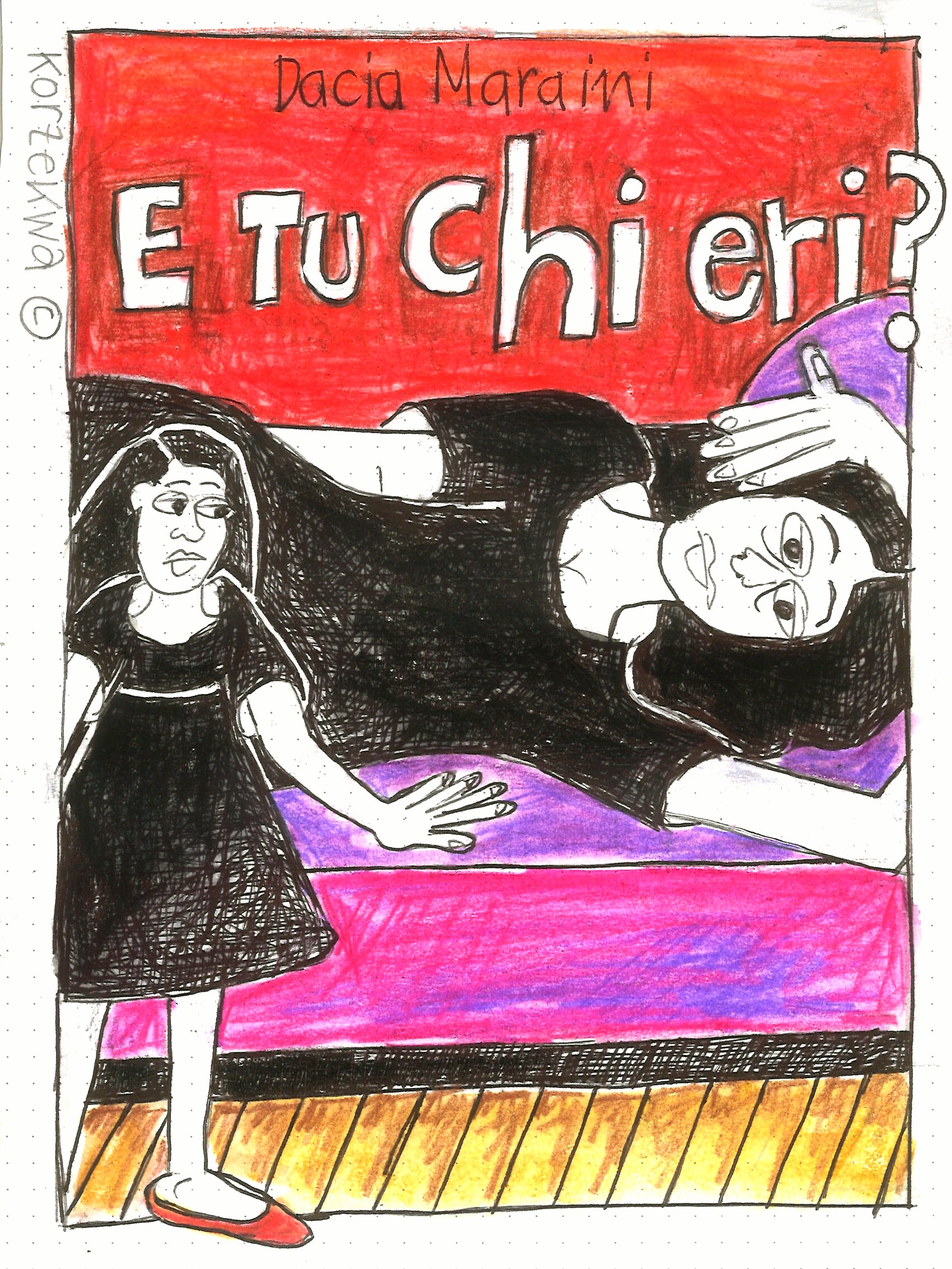
In 1968, Dacia Maraini, author and, at the time, Alberto Moravia’s girlfriend, interviewed Carlo Emilio Gadda. The interview was part of a series of interviews with well-known personalities such as Maria Callas, De Chirico, Rossellini, Natalia Ginzburg. The resulting publication was entitled “E tu chi eri?” (And Who Were You) The leitmotif was childhood and its influence on one’s adult life.
Gadda tells Dacia that he didn’t realize the dangers of fascism until 1934 with the war in Ethiopia. However, those critics who’ve carefully studied Gadda say he was a “convento fascista” (convinced fascist) and it was only after Mussolini’s fall that Gadda attempted to distance himself from something he once so openly sustained. But Gadda was just like so many other pro-fascists who negated on themselves after Mussolini’s defeat.
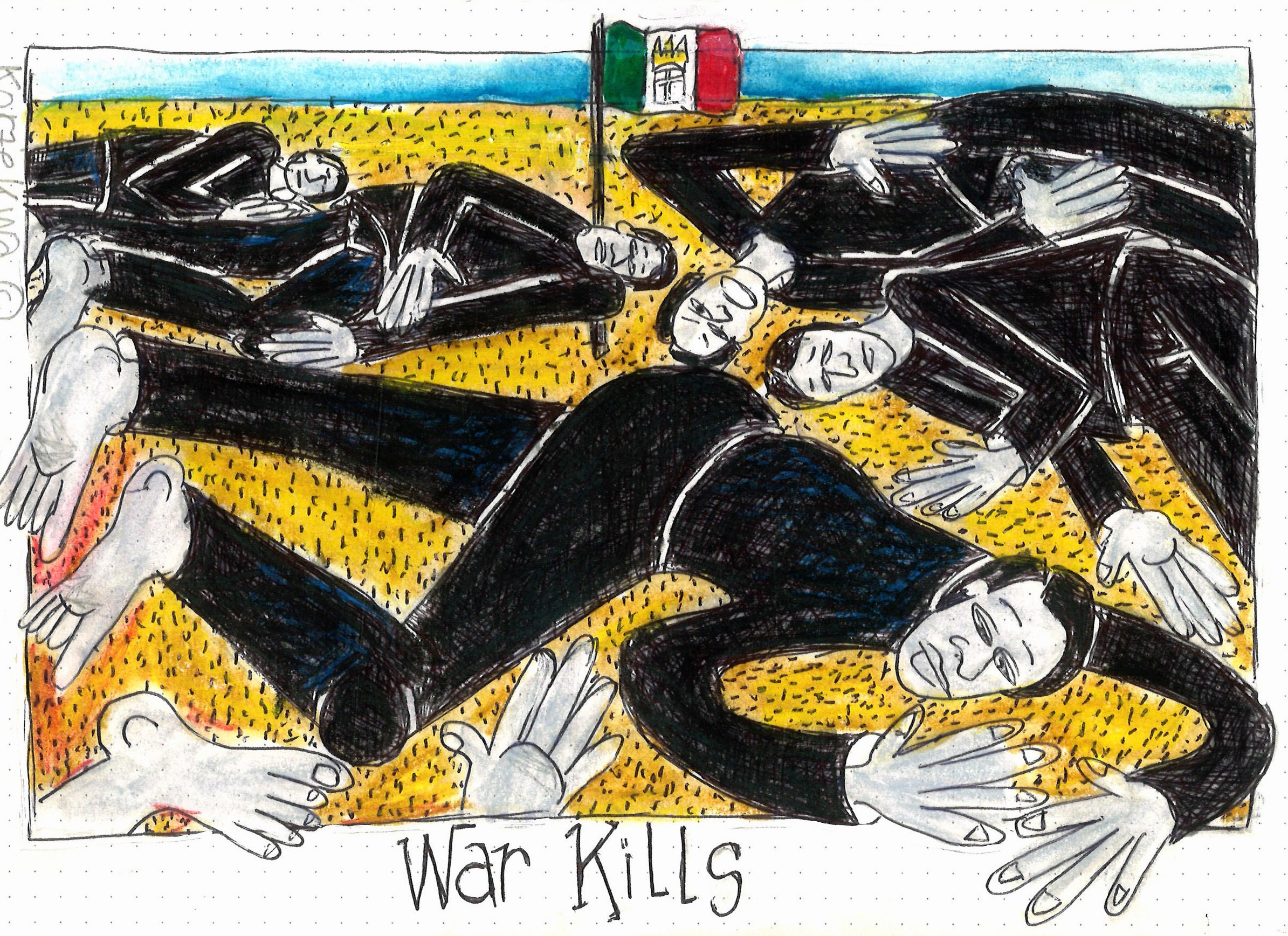
Misgivings sometimes come too late.
Dacia Maraini, a Scorpio, was born in 1936 in Tuscany. She was the daughter of the Sicilian princess, Topazo Alliata, and of the ethnologist Fosco Maraini. In 1941, Fosco Maraini obtained a position teaching at Kyoto University in Japan. He went to Japan with his family—wife and three kids including Dacia who was only seven at the time. In 1943, the entire family was deported to a concentration camp because they refused to sign allegiance to the Republic of Salò, a German puppet state created after the German invasion of Italy. Luckily, the entire family returned to Rome in 1946.
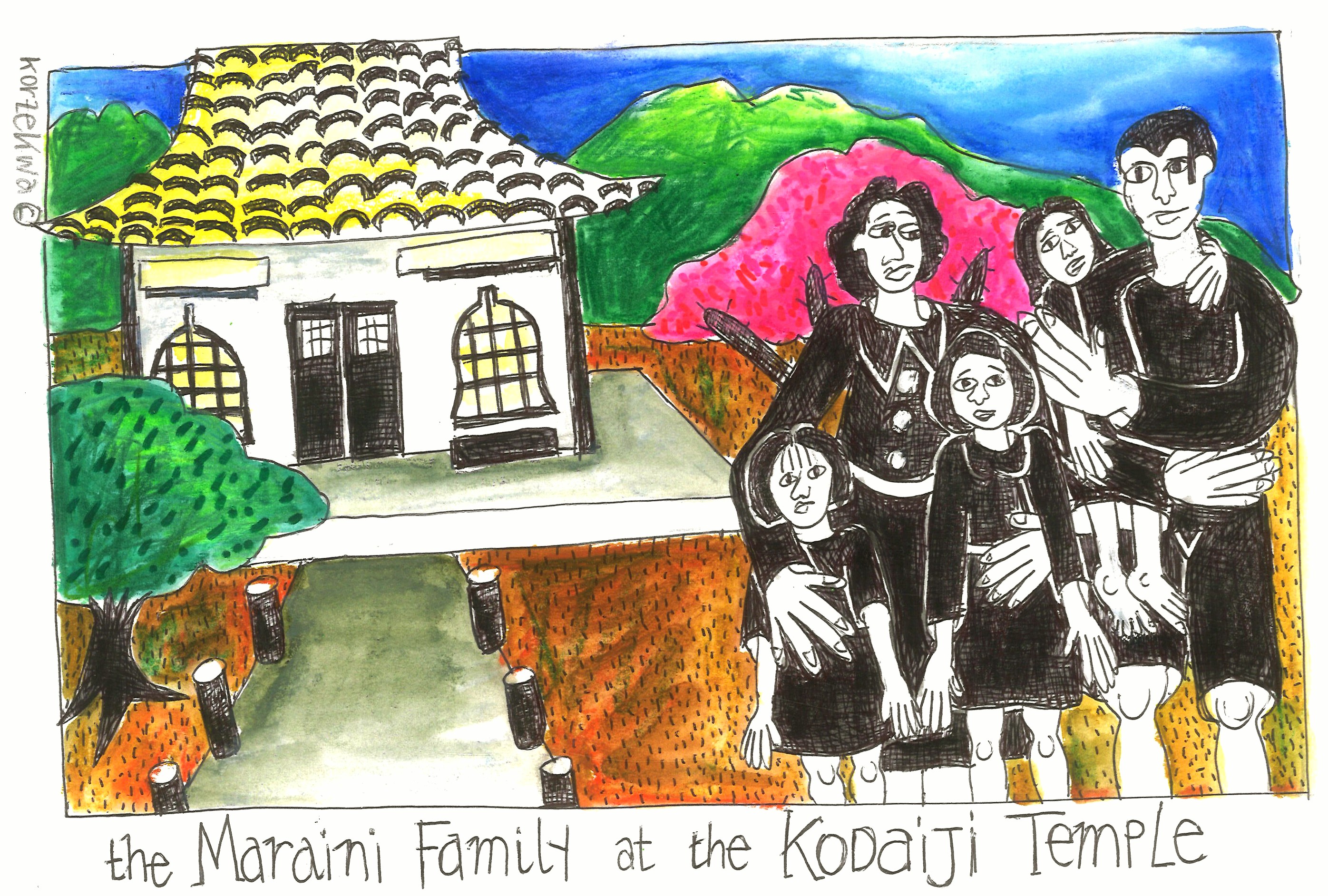
Back in Italy, Dacia’s parents split but both stayed in Rome. Momma Topazia opened an art gallery in Trastevere and dad remarried. In Rome, Dacia became serious about writing. A favorite theme was that concerning womanhood. She wanted to expose the effect that an abuse of power had on women and how the society (esp a fascist one) tried to seclude and isolate women. She wrote that a woman’s “pre-feminist stage is characterized by a sense of alienation, total disorientation and the need for self-assertation through sexuality.”
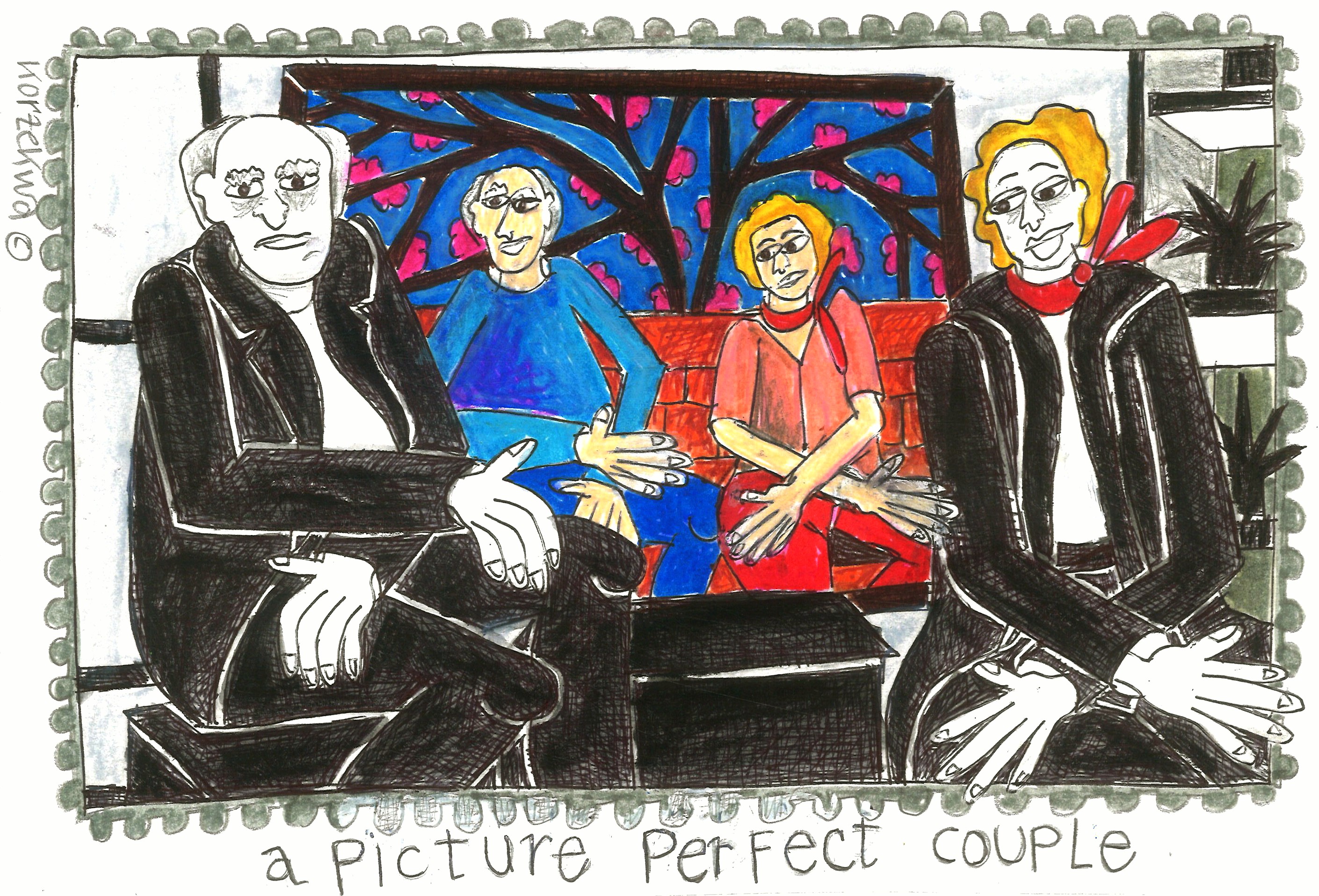
In 1962, 26-year-old Dacia met Alberto Moravia, 29 years her senior. She had written her first novel and needed a well-known author to write the preface. Although Moravia was still legally married to Elsa Morante, the couple had split years before and, at that time, Elsa was involved in a strange relationship with film director Luchino Visconti. Dacia and Moravia were together for almost 20 years but now had exhausted their enthusiasm for one another. After Elsa Morante’s death, Moravia was free to marry again. And he did. He married Carmen Llera, 46 years younger than him. They married in 1986, the year following Elsa’s death. Moravia died four years later.
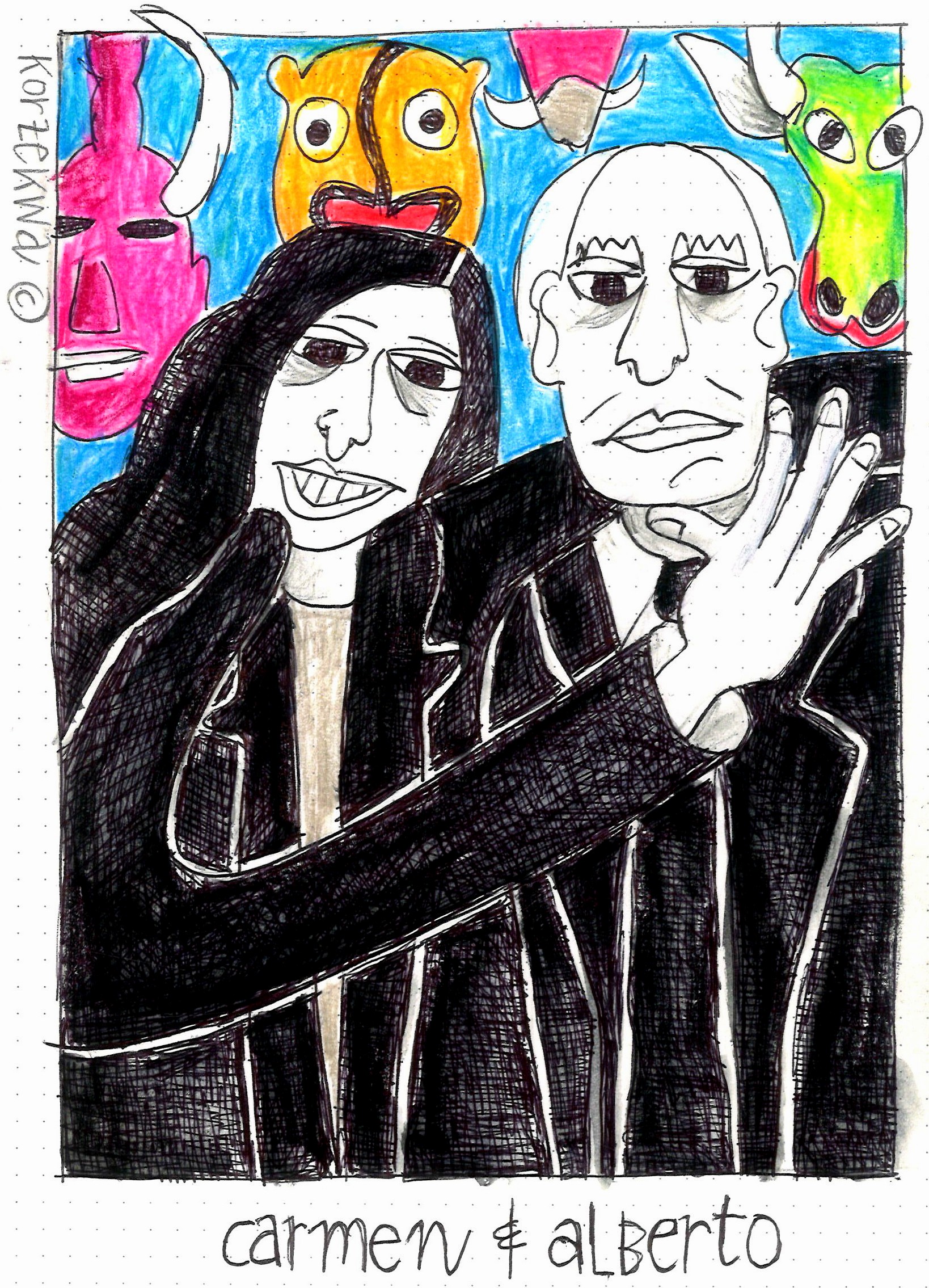
In one interview, Dacia refers to Moravia as the first “esistenzialista europeo” and that he knew how to look at reality without any ideological explanation.
Dacia said that despite Moravia’ grumpy face, he really had a sunny personality. And, as a writer, Dacia learned from Moravia the importance of intellectual honesty.
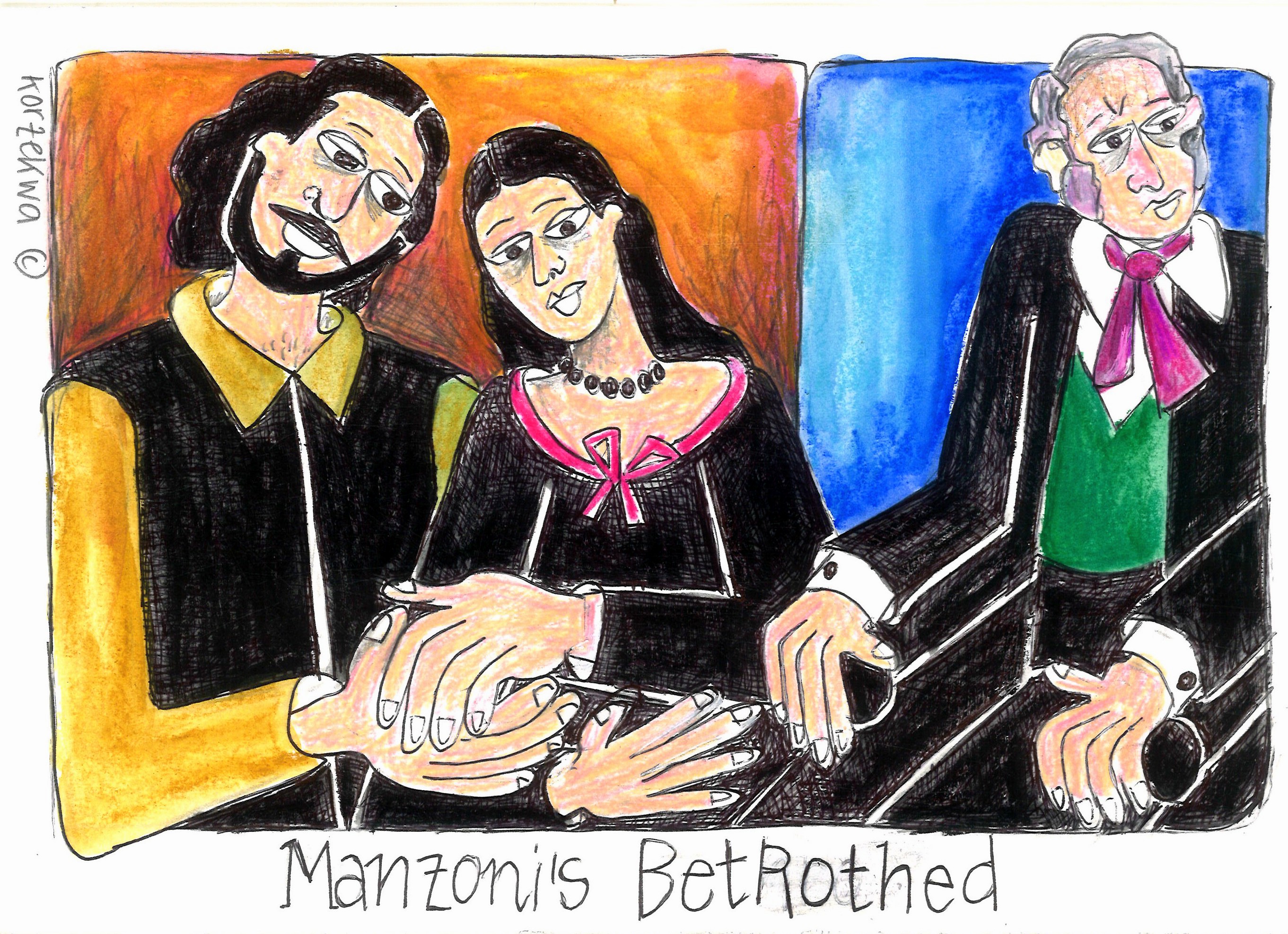
Moravia and Gadda, two literary heavyweights in Italy, got into a big dispute over Alessandro Manzoni (1785-1873) and the interpretation of Manzoni’s “I promessi sposi” (The Betrothed).
Because every defense of humanism is a defense of literature, says Moravia, literature has a profoundly humanistic nature. But Gadda saw Manzoni in a different way. Manzoni, for him, was a way of interpreting the world. As there exists a kind of rivalry between Milano and Rome, maybe part of this dispute was really all about that. About the difference in the ways of thinking. As Gadda, like Manzoni, was from Lombardy, it was only obvious to him that he could understand Manzoni better than Moravia, a Roman, could.
Many literary critics have referred to Gadda as the Italian James Joyce because both turned language into a playground. Both saw themselves as philosophers who explored literary methods to reveal a character’s thoughts. Both used their writing to put their knowledge on display. Gadda is known for his use of pastiche, a hodgepodge of literary styles. “Pastiche” comes from the Italian “pasticcio” once meaning pie. But today the word is used to signify a mess. Thus, the original title “Quer pasticciaccio brutto de via Merulana” is translated as “That Awful Mess on via Merluana”.
One problem with pastiche is that it can be awkward at times as the writer depends on the reader’s familiarity with the original source for comprehension. Maybe that’s why Nora Joyce asked her husband, James, why he couldn’t write books that people could understand.
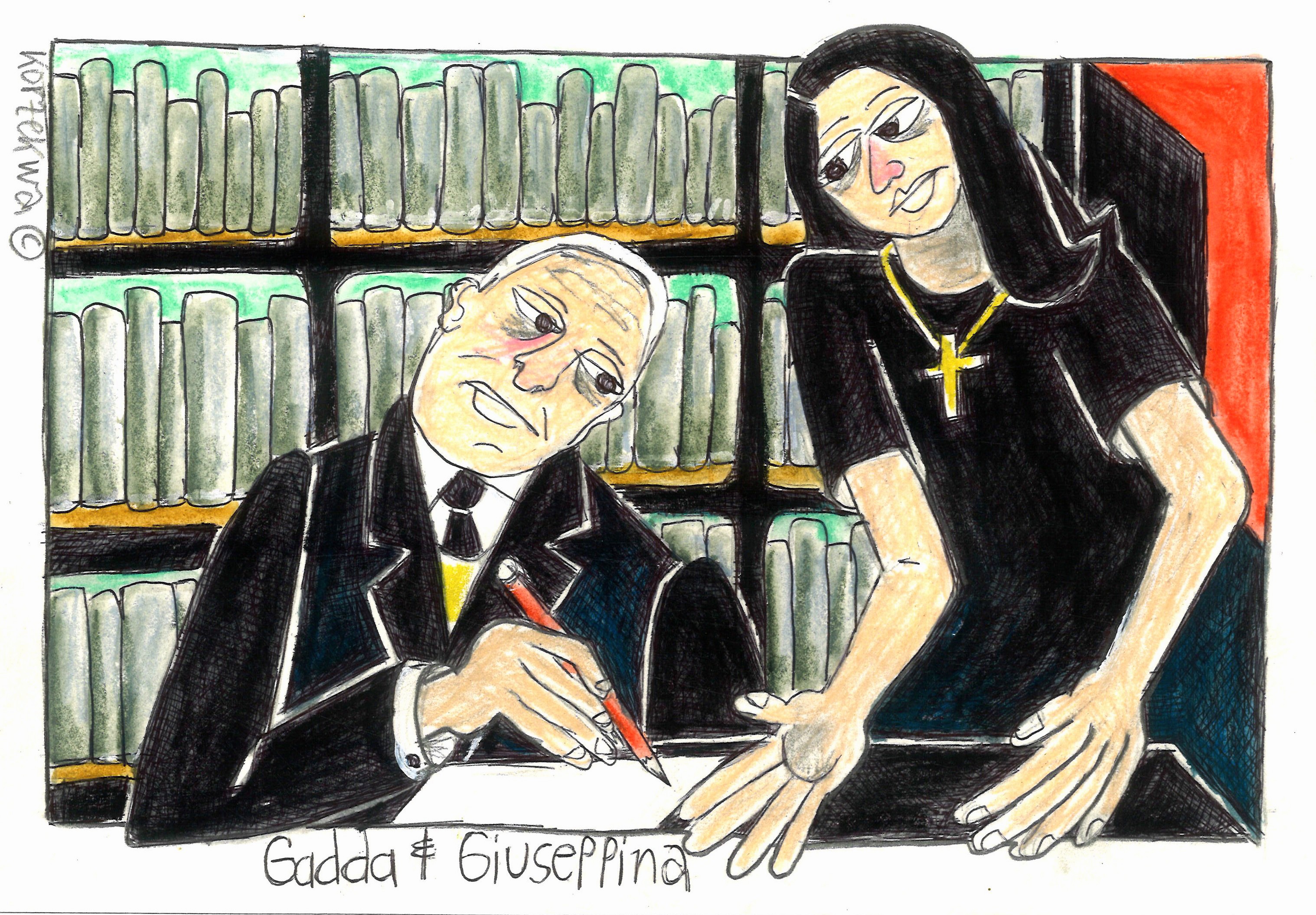
In the final years of his life, Gadda lived in Rome at via Blumenstihl 19 and was assisted by Giuseppina Liberati, his governess. In his will, Gadda named Giuseppina his universal heir. Giuseppina was instrumental in conserving Gadda’s papers for his Archive.
After Gadda’s death, the city of Milano insisted on Gadda being brought “home” to be buried in the city’s monumental cemetery. Milano accused Rome of having “kidnapped” Gadda by burying him at the Acattolica/Protestant Cemetery in Rome. But Gadda, himself, wanted to be buried in the city where he’d been living for the last 20 years of his life.
-30-

Appropriations for AI will be jinxed.
Related:
Initiated by fascist Italy in 1935, the Second Italo-Ethiopian War disrupted the international world order, paving the way to World War II + Gadda e il fascismo + 30+ Unsettling Posters of the Italian Fascist Propaganda + Bertiglia’s propaganda postcard +
Ornament as Crime: Carlo Emilio Gadda’s Sociology of Fashion +
Princess Topazia Alliata Italian aristocrat who was imprisoned in Japan with her children and later ran a gallery in Rome + in 1958 Topazia moves to Rome and opens an art gallery at Piazza in Piscinula 13 + Topazia Alliata Una vita per l’arte + Topazia Alliata + A Roma Samonà aveva ritrovato Topazia Alliata +
In 1966, Maraini, Moravia and Enzo Siciliano founded the del Porcospino (“Porcupine”) theatrical company which had as its mission the production of new Italian plays. They included her own La famiglia normale, Moravia’s L’intervista, Siciliano’s Tazza, and works by Carlo Emilio Gadda, Goffredo Parise, J. Rodolfo Wilcock and Tornabuoni.
Gadda contro Moravia nella disputa su Manzoni pdf + Gadda secondo Moravia, Piovene e Vittorini + Carlo Emilio Gadda “Sulla scena della vita” +
Sui Manzoni di Daniela Brogi e Silvano Nigro / I Promessi Sposi: un libro parallelo + Carlo Emilio Gadda writer and novelist +
It Can’t Happen Here by Sinclair Lewis + “When fascism comes to America, it will be wrapped in the flag and carrying a cross.” Via + (from advanced alcoholism, Nobel Prize-winning American author Sinclair Lewis died in Rome in a clinic on the outskirts of Rome of a heart attack caused by advanced alcoholism. Bedridden at the Clinica Electra on Monte Mario since December 31, his doctor initially diagnosed Lewis with acute delirium tremens.) +
I libri di Carlo Emilio Gadda sono pieni di riferimenti all’arte, Il nuovo saggio di Eloisa Morra indaga lo stretto legame tra l’autore novecentesco e l’arte visiva, dalla pittura alle illustrazioni satiriche del ventennio, e la sua influenza su decine di racconti e romanzi +
Carlo Emilio Gadda and The Experience of Pain +
Le carte di Adele Gadda (nata Lehr) e Clara Gadda nell’ Archivio di Carlo Emilio Gadda pdf +
,,,,,,,


 The Narrative Within
Pingback: Gadda’s Mess | The Narrative Within