continuation of Bachelard and The Poetics of Space
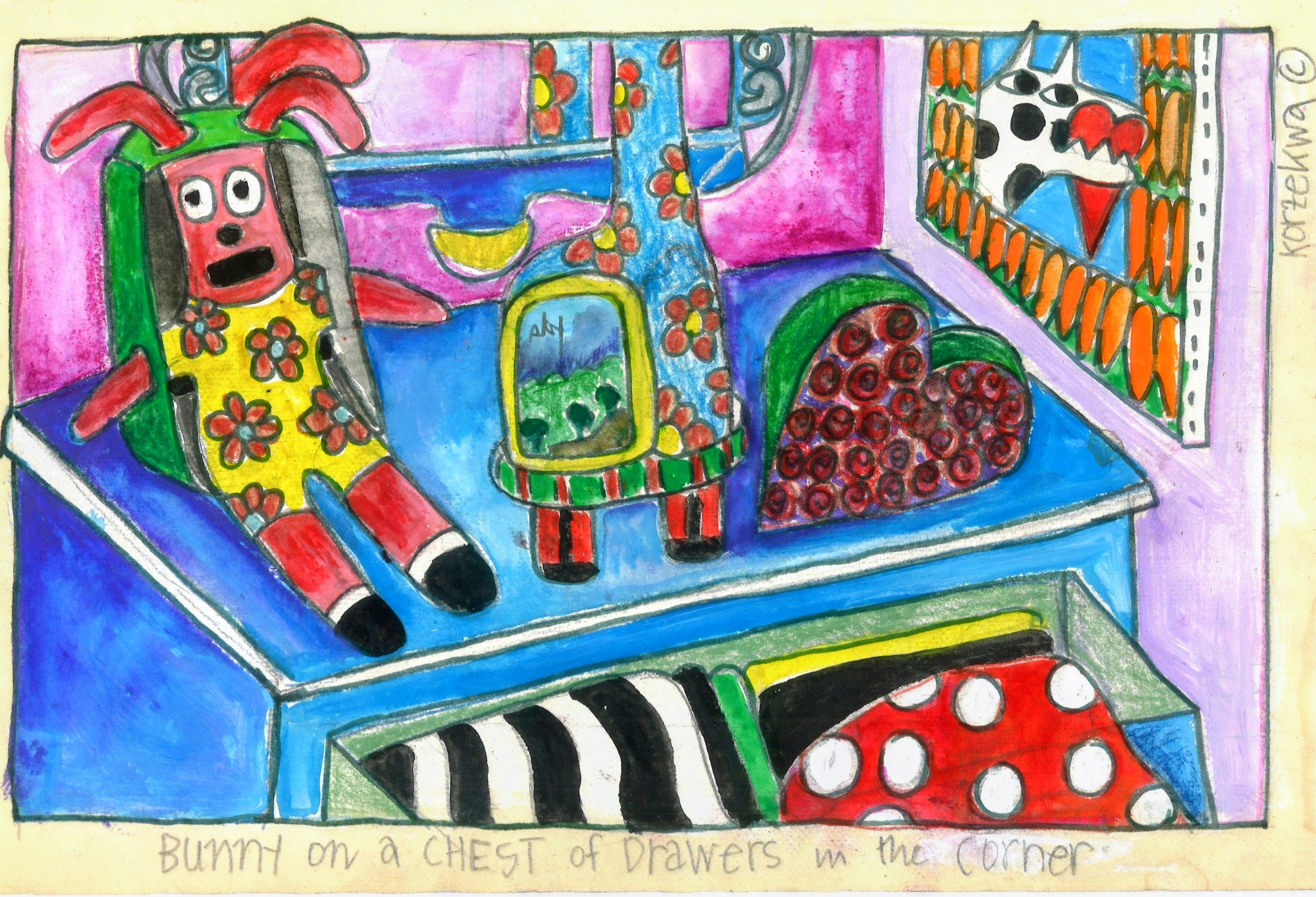
This post is a continuation of Gaston Bachelard and The Poetics of Space. As Bachelard writes of drawers, chests, and wardrobes, today’s focus is the drawer. The house contains people and drawers contain people’s things. People contain and are contained. That’s what a home is all about.
In The Poetics of Space, Bachelard refers to various philosophers and writers. Apparently, philosophers aren’t happy unless they can contradict other philosophers. On the theme of drawers, Bachelard has it in for Henri Bergson (1859-1941). Bergson, French philosopher awarded the Nobel Prize in literature, writes that, to understand reality, the processes of immediate experiences and intuition are more important than abstract rationalism and science. Bachelard, many years younger and more “contemporary”, disagrees.
Bergson says drawers classify knowledge. That is, to determine into which drawer to place an object, you must be able to group it together with objects having shared characteristics. Furthermore, Bergson believes the brain has many “keep-sake boxes” where parts of the past are stored. He sees intelligence as a filing cabinet (drawer) whereas Bachelard sees the filing cabinet as intelligence. In other words, is intelligence the filing cabinet or the filing cabinet the intelligence?
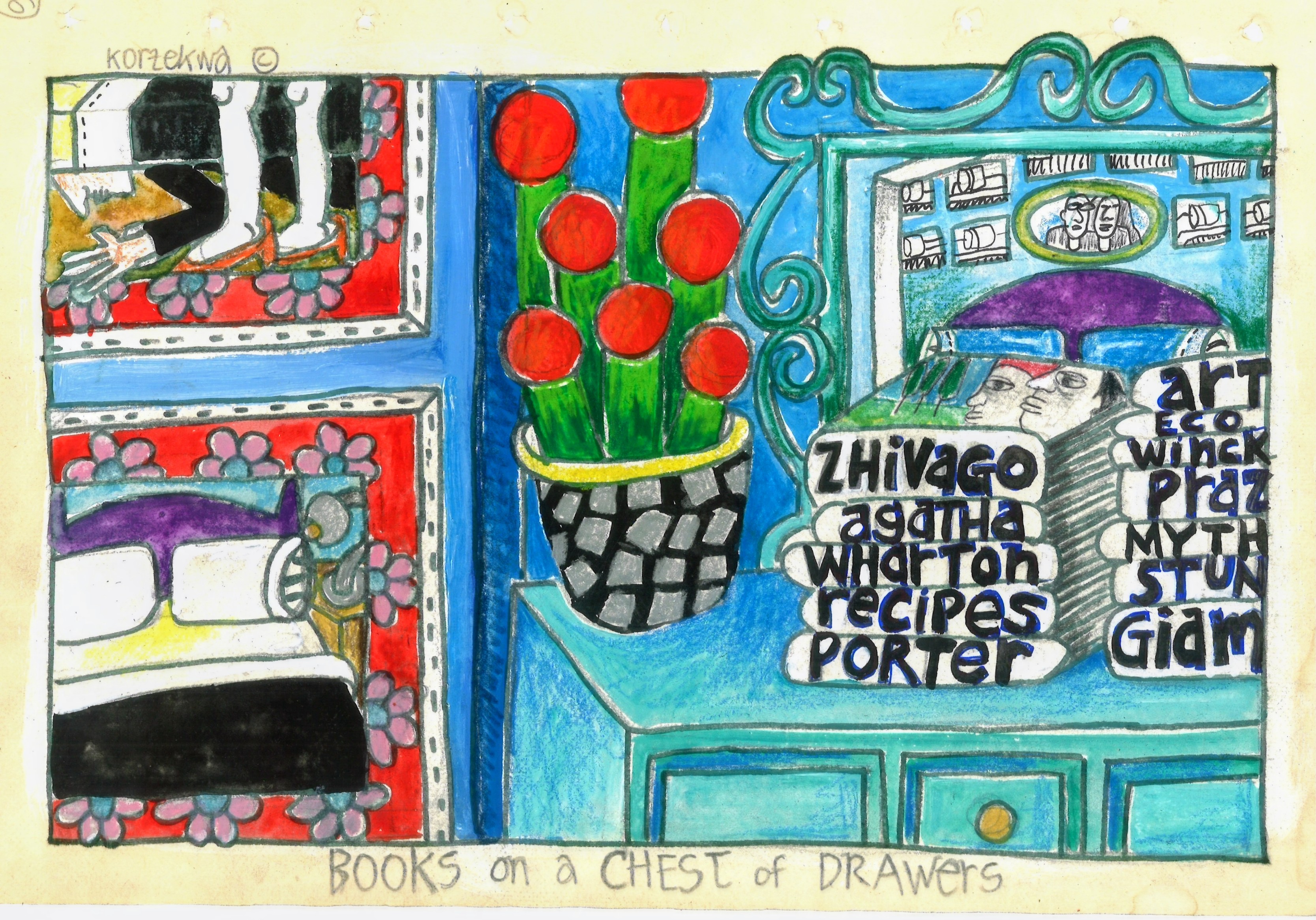
Bachelard asks his readers to reject the image of a drawer as a metaphor for categorizing things. Does this mean that the world then is just one big giant junk drawer?
Of course, we don’t need philosophers to tell us how to use a drawer or what it’s for. But we can be amused by their debates as to what a drawer is all about.
In reference to containers, there’s a lovely scene in the film “The Fabulous Destiny of Amélie Poulain” directed by Jean-Pierre Jeunet where Amélie accidentally discovers a tin box hidden behind bathroom tiles. The box is full of small trinkets, toys, and photos—childhood memorabilia hidden by the young boy who’d lived in the apartment years before. Realizing the value of childhood memories, Amélie decides to find the boy so she can return the box to him.
Related:
Gaston Bachelard and The Poetics of Space, read online +Bachelard and chapter on drawers, chests, and wardrobes + Gaston Bachelard’s Poetics of Space and The Secret Architecture of Your Soul + Book Of A Lifetime: The Poetics of Space, By Gaston Bachelard ]
Intuition and discursive knowledge: Bachelard’s criticism of Bergson +
Matter, Memory, and the Paradox of Perception: Henri Bergson on How to See Reality + The Evolution of Life, Mechanism and Teleology by Henri Bergson + TIME, DURATION AND FREEDOM – BERGSON’S CRITICAL MOVE AGAINST KANT +
The Creative Mind by Henri Bergson on internet archive + Henri Bergson, Stanford + Bergson’s Matter and Memory +
Junk drawer + The Psychology of the “Junk Drawer” + Junk drawer by Grok +
Amélie (2001) The Hidden Box +