It’s Palma‘s fault. Reading her biography (“La regina di quadri, vita e passioni di Palma Bucarelli” by Rachele Ferrario) made me wonder about the effects of Fascism on a woman’s image of herself and on the possibility of her ever feeling self-actualized. This curiosity has led to more biographies and more desire to explore. That’s why this DIY tour. I wanted to see where these people had lived and worked.
For this tour, only people living in the general area of Parioli, a neighborhood not far from our own, were chosen. These people were anti-fascists involved in the arts.
As prime minister, Mussolini activated a series of building projects based on his vision of returning to the grandeur of ancient Rome. Mussolini wanted to created A Third Rome (la terza roma). He believed the main way of achieving this was by constructing as much as possible. Like the Romans.
Mussolini worked with fascists architects who were into Rational Architecture—no frills, just sleek minimalistic concrete structures. But just to jazz things up a bit, sometimes ancient classical features like columns were included. Parioli, a neighborhood highly embellished with trees, was developed specifically to suggest elegance. During fascist reign, high ranking political figures and state functionaries lived at Parioli. Even today, it’s still a conservative neighborhood.
Although the buildings look old to us today, when the people referred to below moved into them, they were new and trendy. Anti-fascists were forced to live swallowed up by fascist aesthetics.

1. Anna Garofalo , via Panama 79
Anna was a feminist and journalist who worked for the newspaper “Il Mondo” until the fascists closed it down. In 1944, Anna conducted a radio transmission entitled “Parole di una donna” (words of a woman). Her guests inclued many women in the arts such as Palma Bucarelli, Alba de Cespedes, and Sibilla Aleramo.
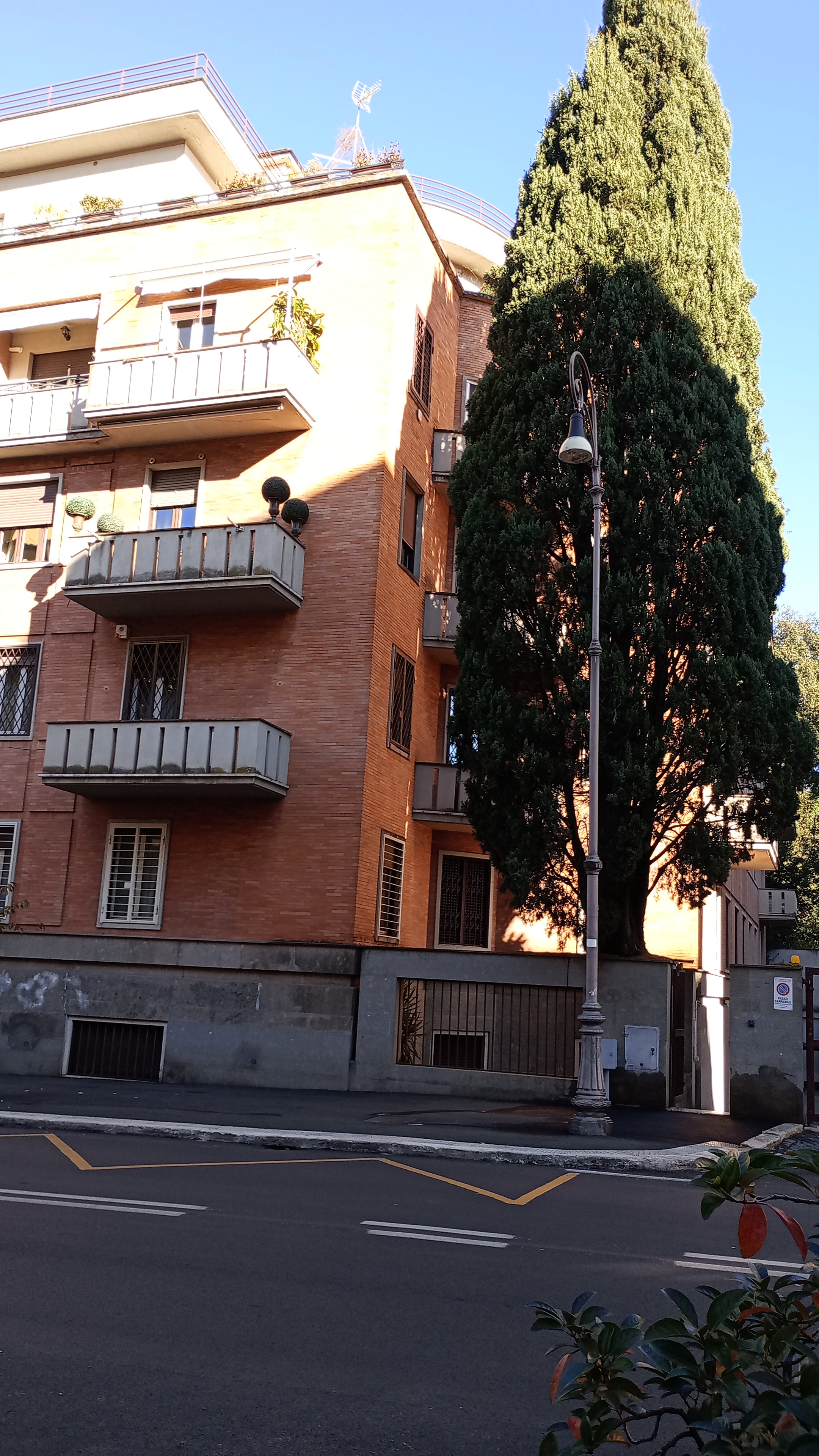
the tree


2. Massimo Bontempelli and Paola Masino, Via Liegi 6
Massimo Bontempelli was an Italian writer who was influencial in developing Italian magical realism. He spent time in Paris as a journalist in the early 1920s. Here he became mesmerized by the new French avantgarde and dabbled in surrealistic esperiments with Savinio and de Chirico. Bontempelli subsequently settled in Rome and became freinds with Pirandello. He separated from his wife and later developed a relationship with Paola Masino, 30 years his junior.
In the early 1920s, Bontempelli was dedicated to fascism. But by the 1930s, he was totally burned out on it. So much so that he was kicked out of the party and given a death sentence. This forced both Bontempelli and Paola to go into hiding.
Paola, much younger than her husband, collaborated with Bontempelli while in Paris. The couple frequented many French and foreign intellectuals. Paola was friends with Josephine Baker and Kiki de Montparnasse.
Once back in Rome, Paola focused on various projects including collaborations with the RAI, translations, as well as pursuing her Appunti notebooks project.

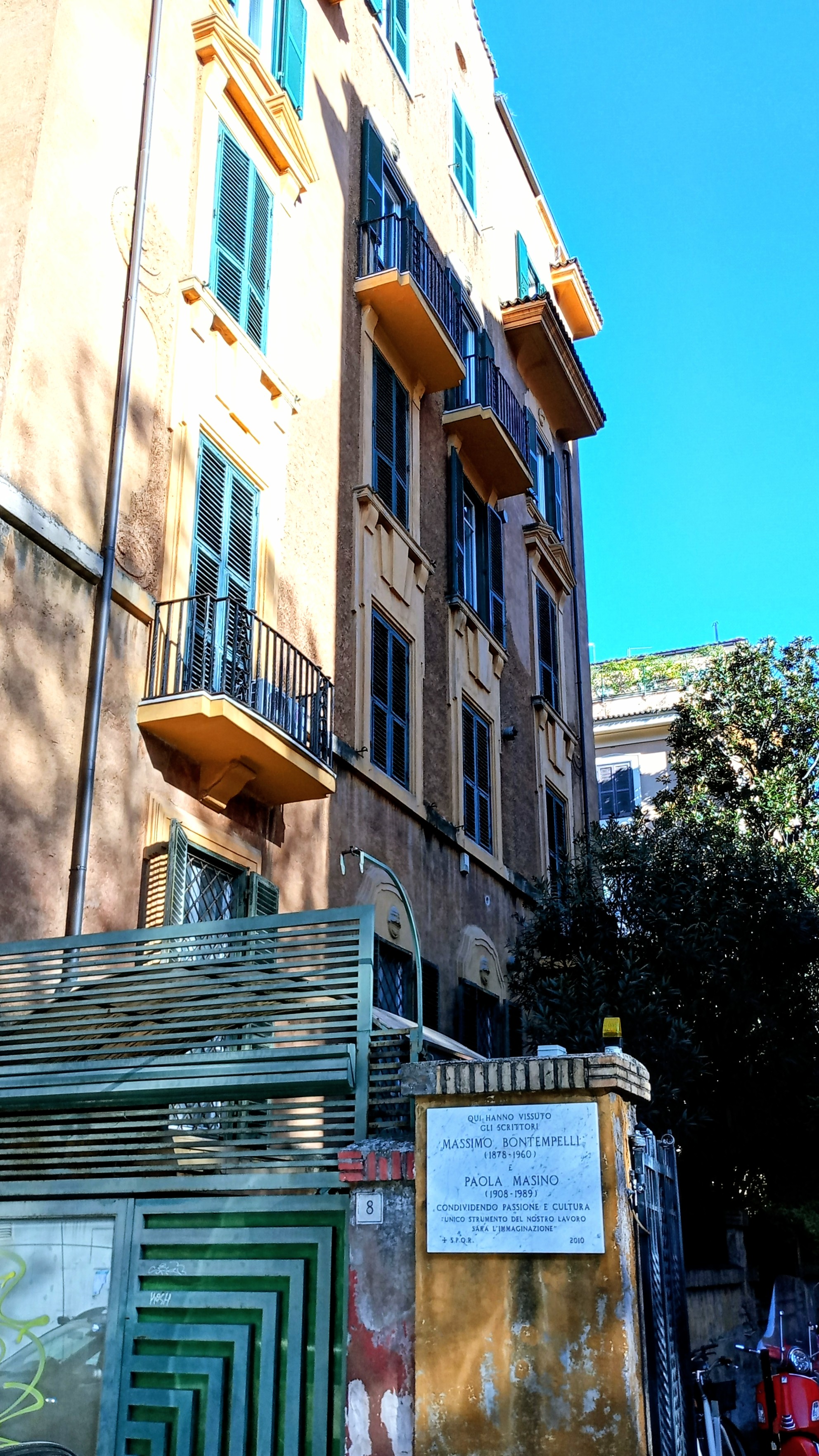
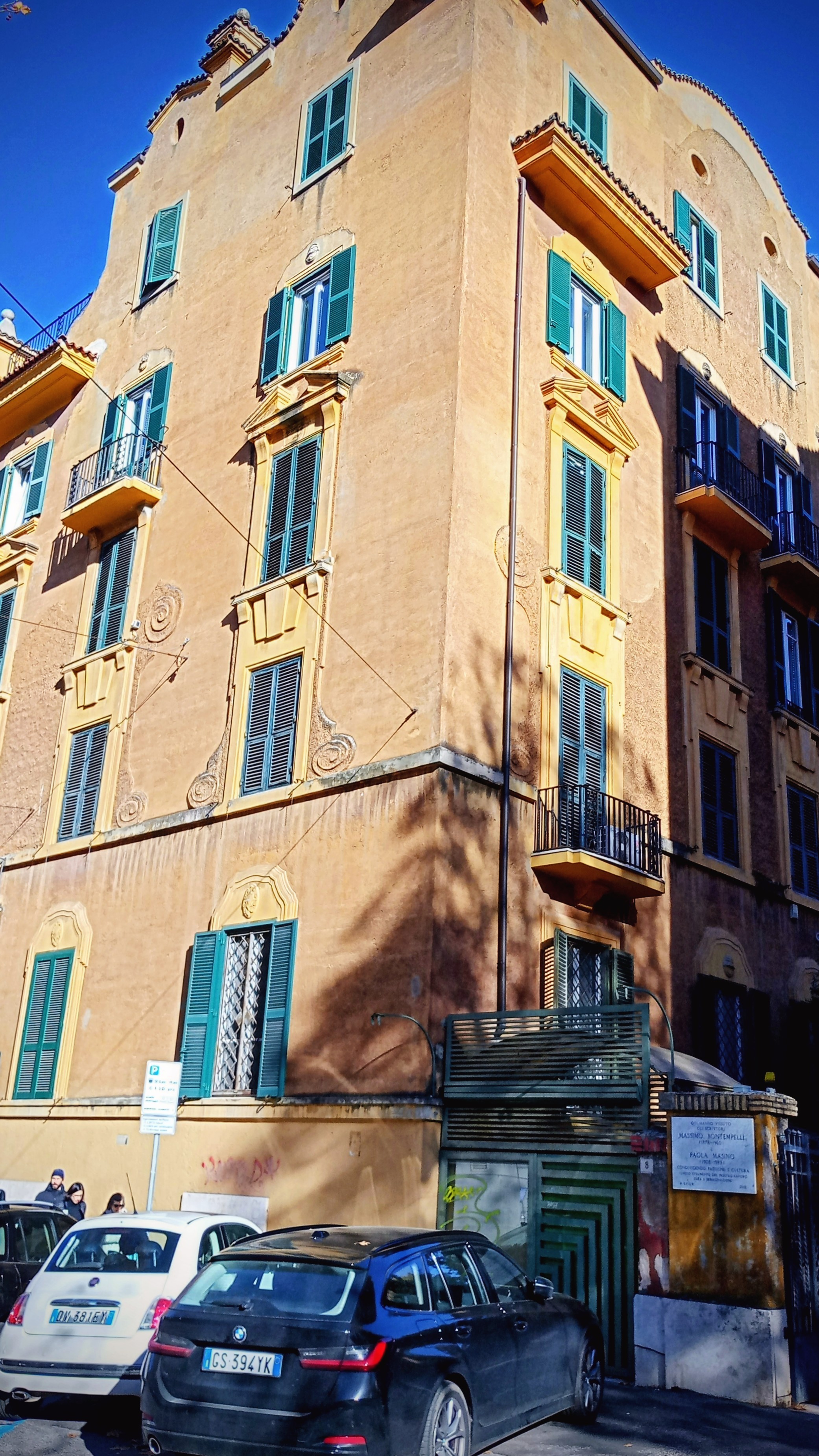
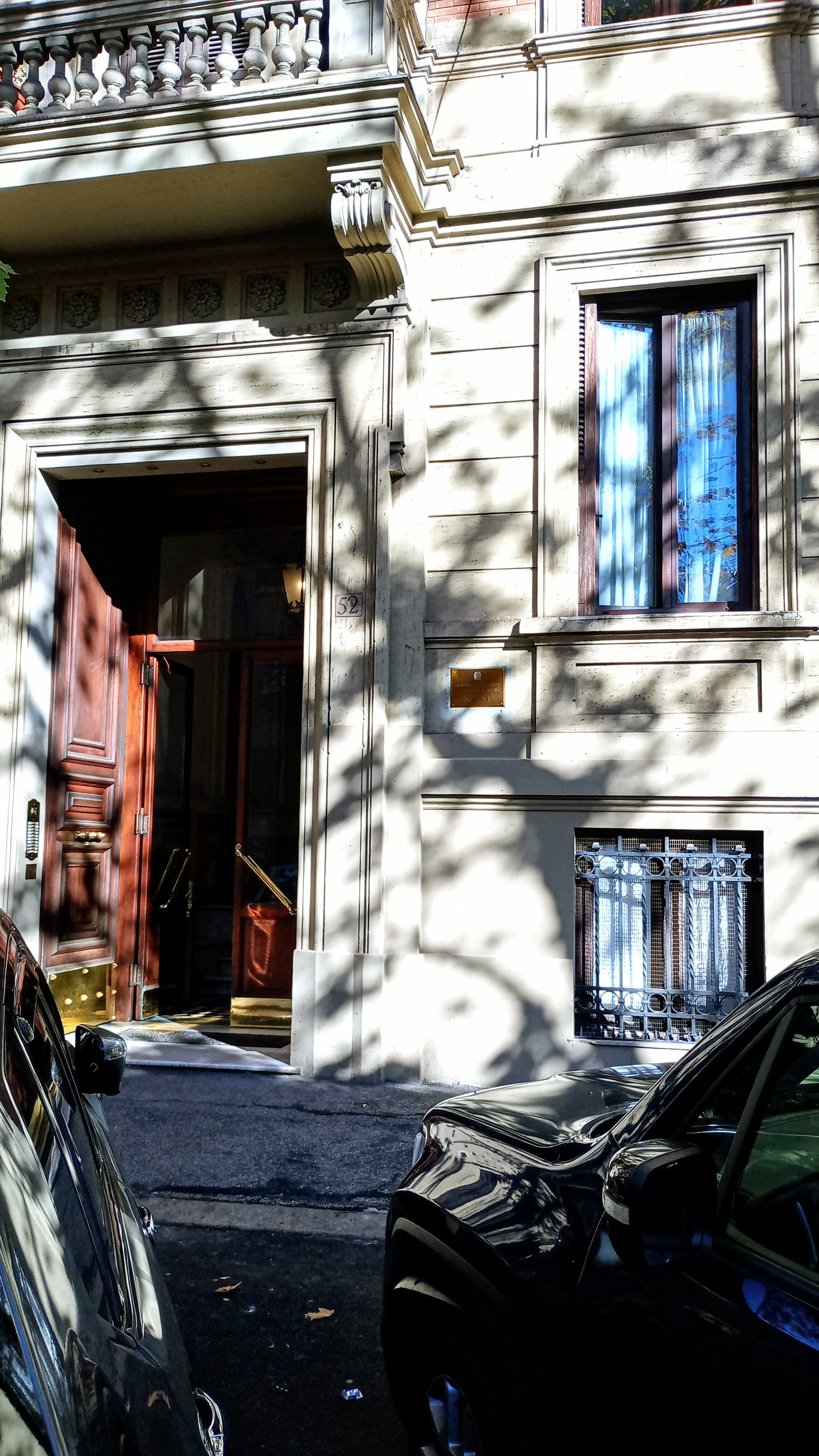
3. Maria and Goffredo Bellonci, Viale Liegi 52
Goffredo was a journalist and Maria was a writer who, in 1947, co-founded the Strega Prize, one of Italy’s most important literary awards.
In 1944, the couple started hosting a literary salon at their home pictured below. Their desire was to return to a “normal” cultural lifestyle previously made impossible by the fascists.


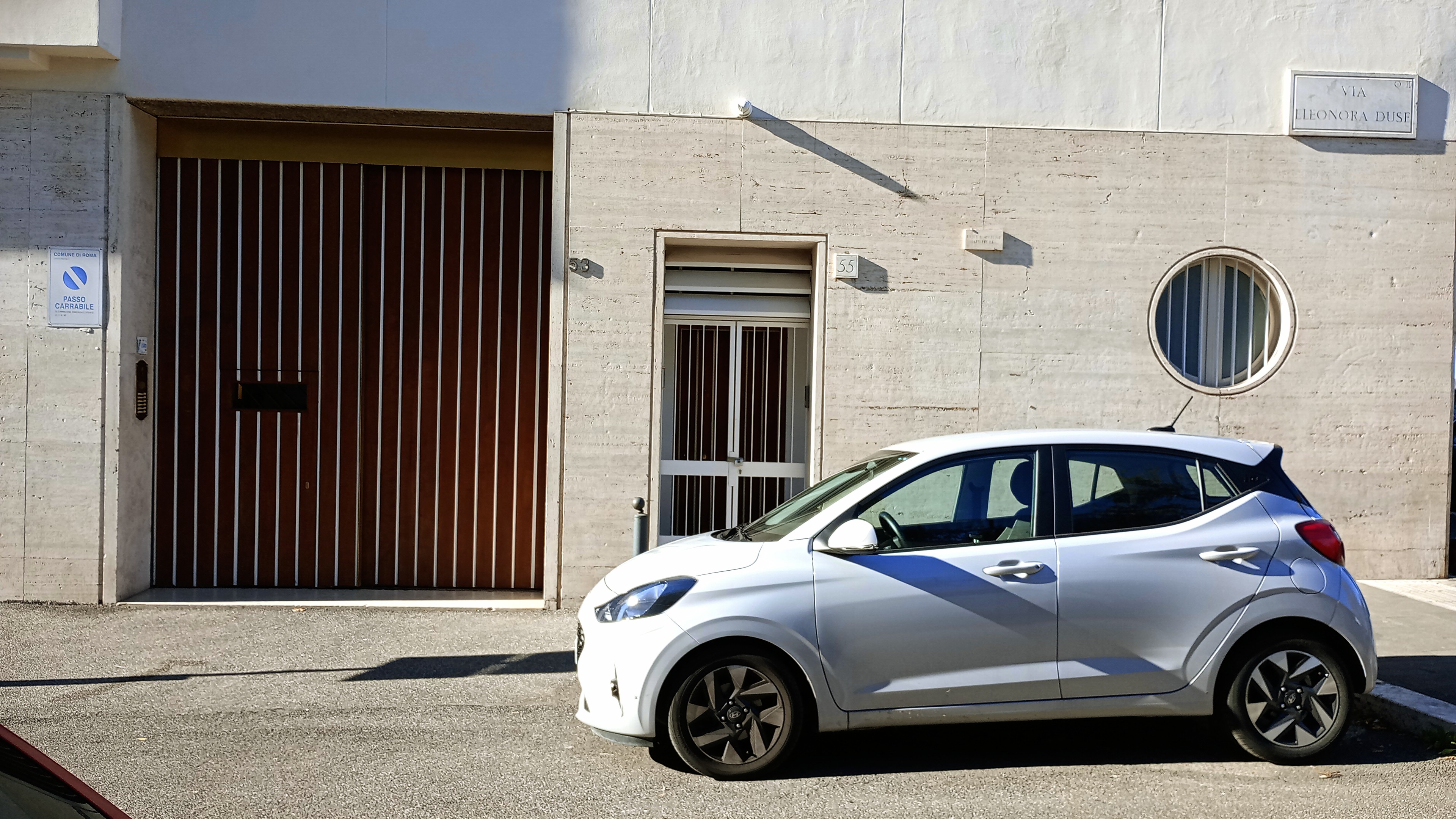
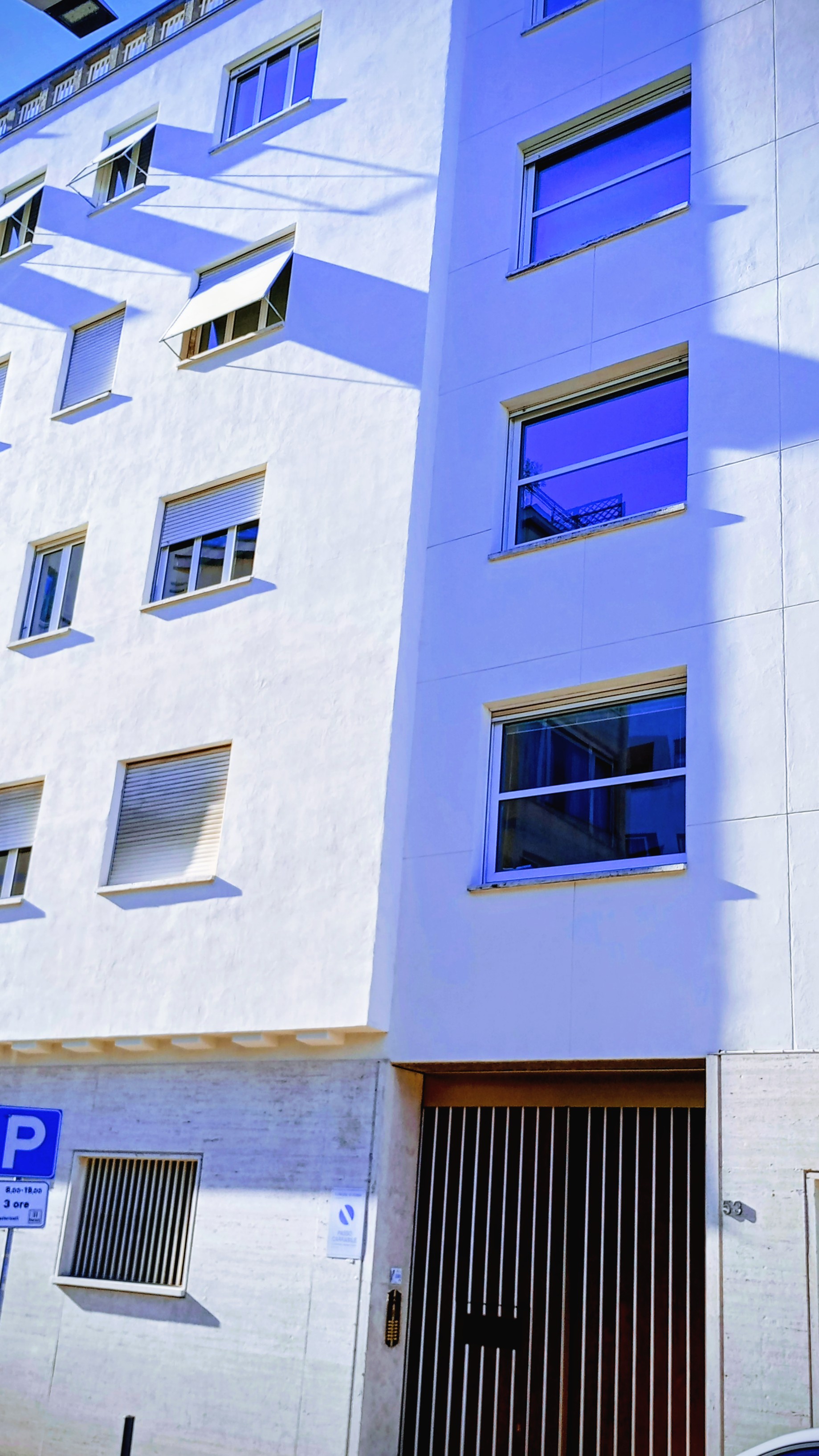
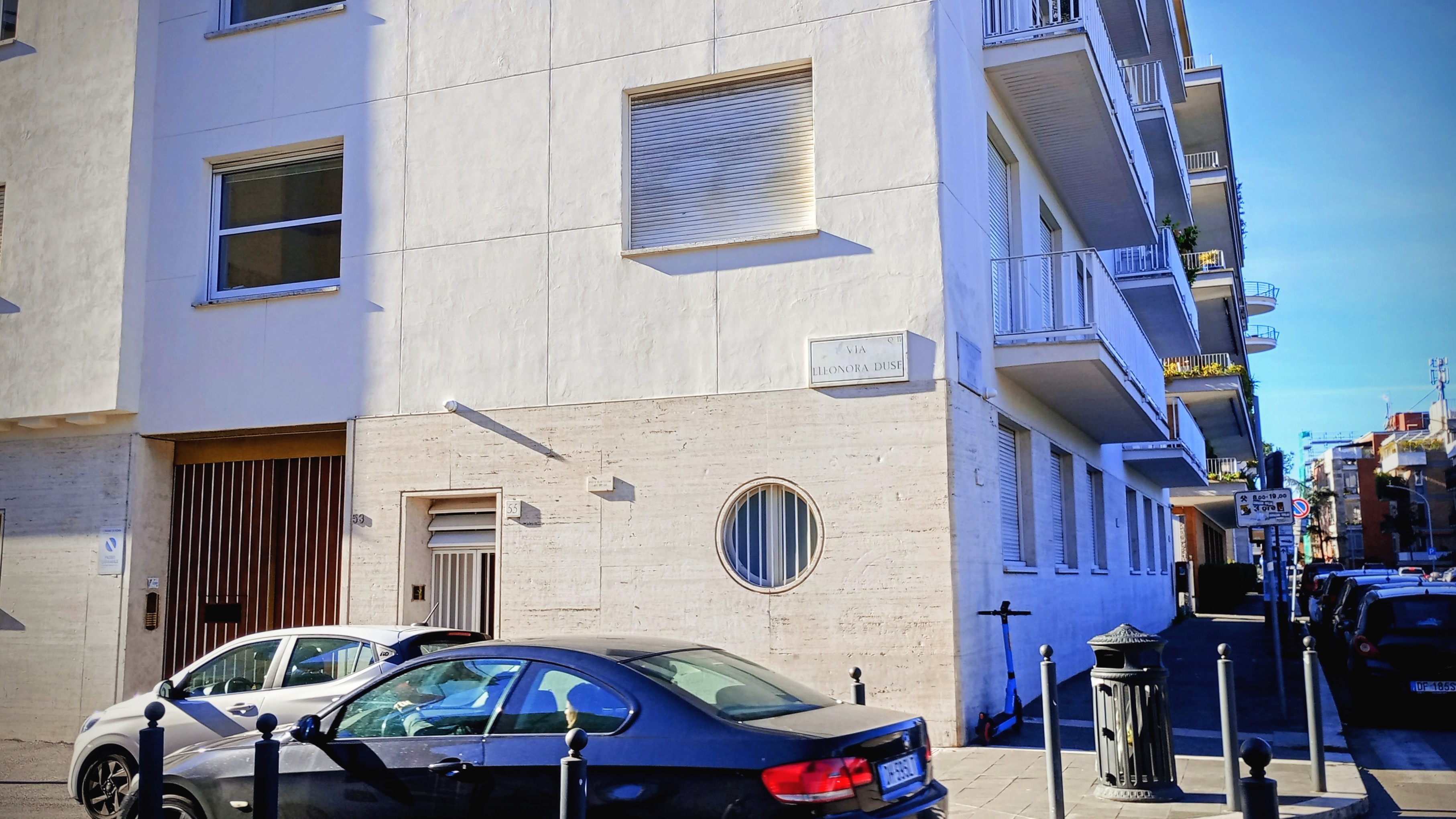
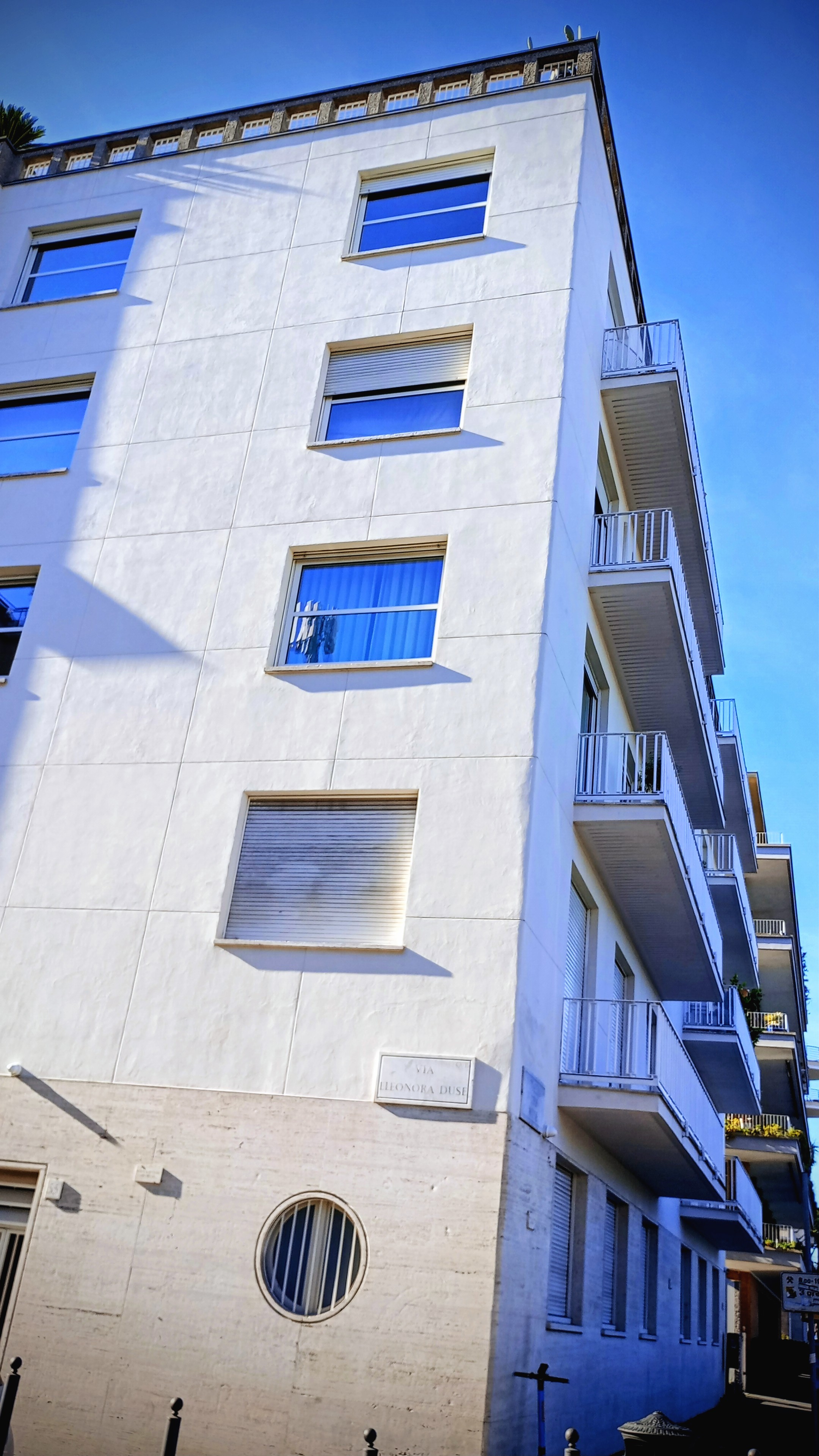
4. Alba de Cespedes, Palazzina Salvatelli, Via Eleonora Duse 53
Alba de Cespedes was a writer and activist. Her books are making a comeback and at Feltlrinelli’s there are three of her books translated into English by the incredible translator Anne Goldstein who also translated Elena Ferrante’s “Neopolitan Novels”. And like Ferrante, de Cespedes writes about young women coming of age.
Her grandfather was Carlos Manuel de Cespedes considered the father of the nation of Cuba. Alba felt her participation in politics was a moral obligation.

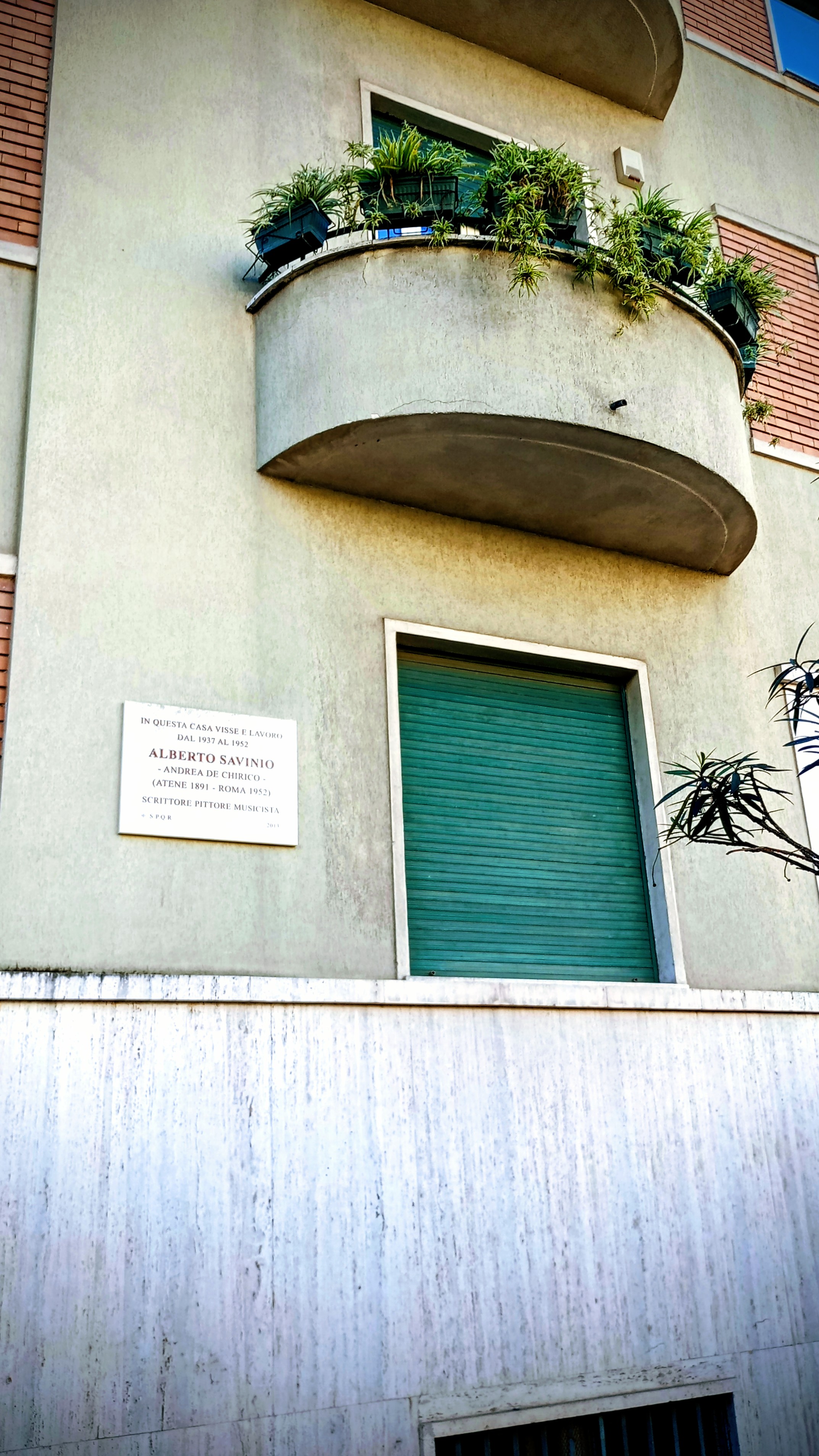
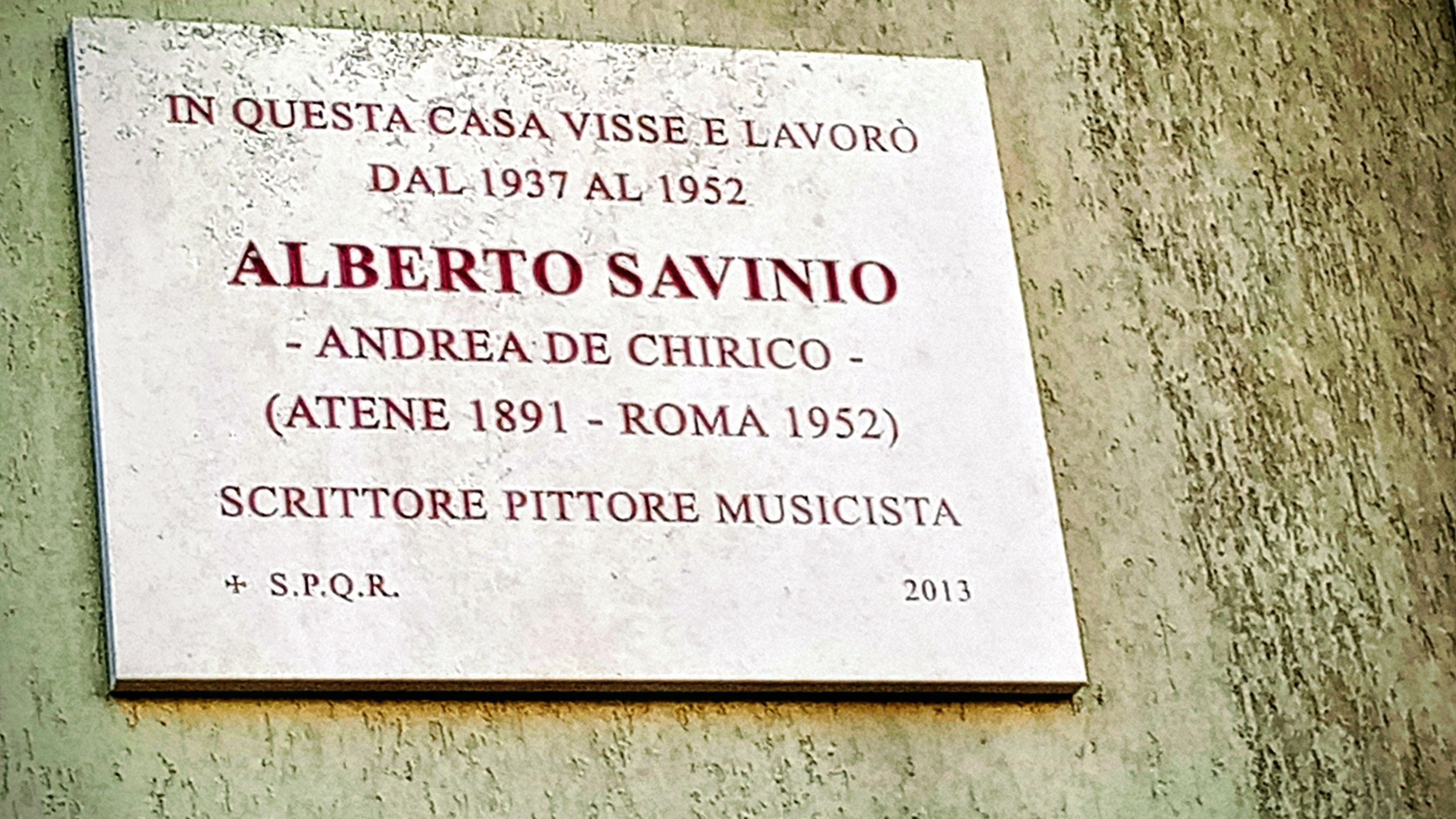
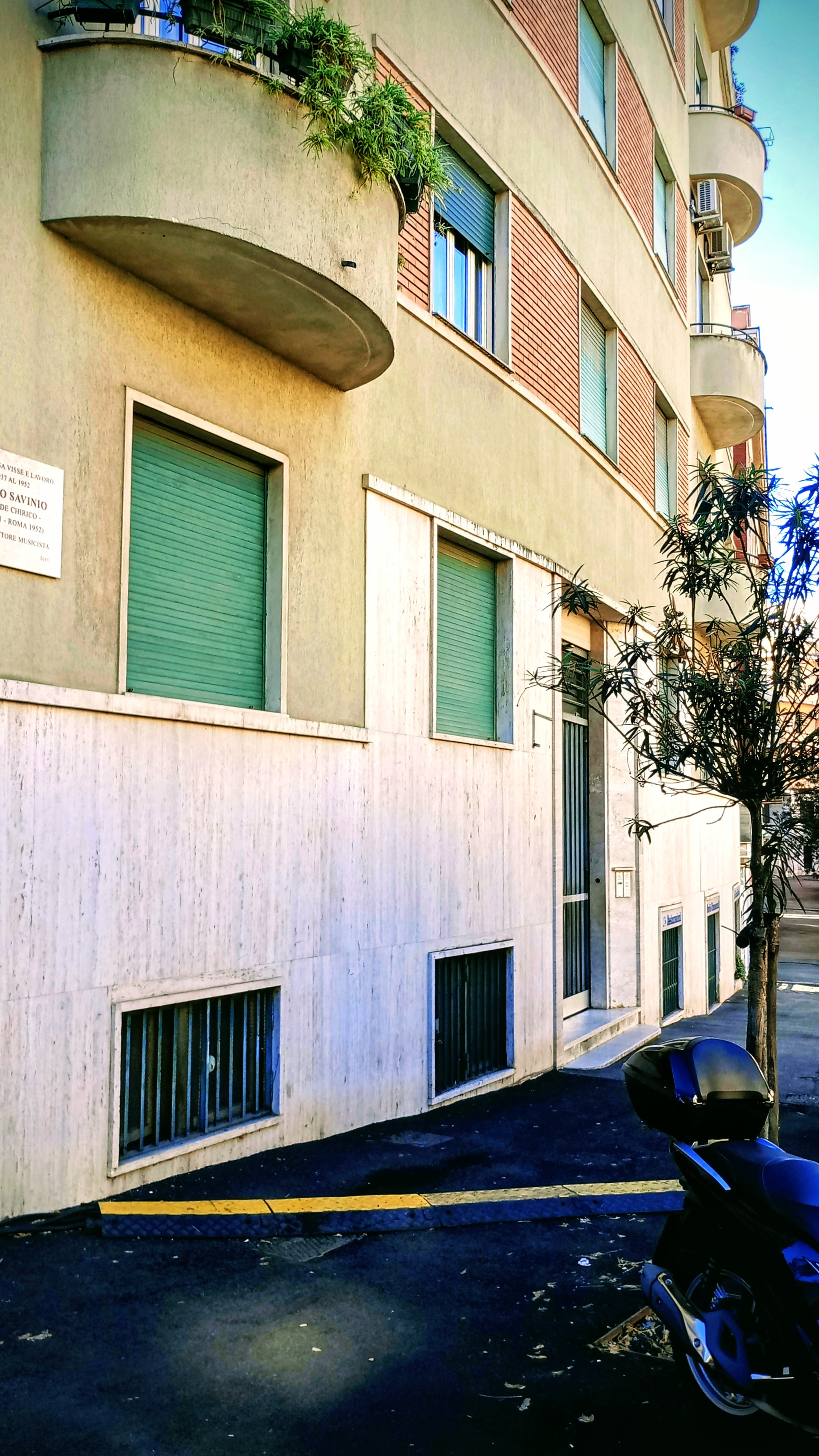
5. Alberto and Maria Savinio, Viale Bruno Buozzi 39
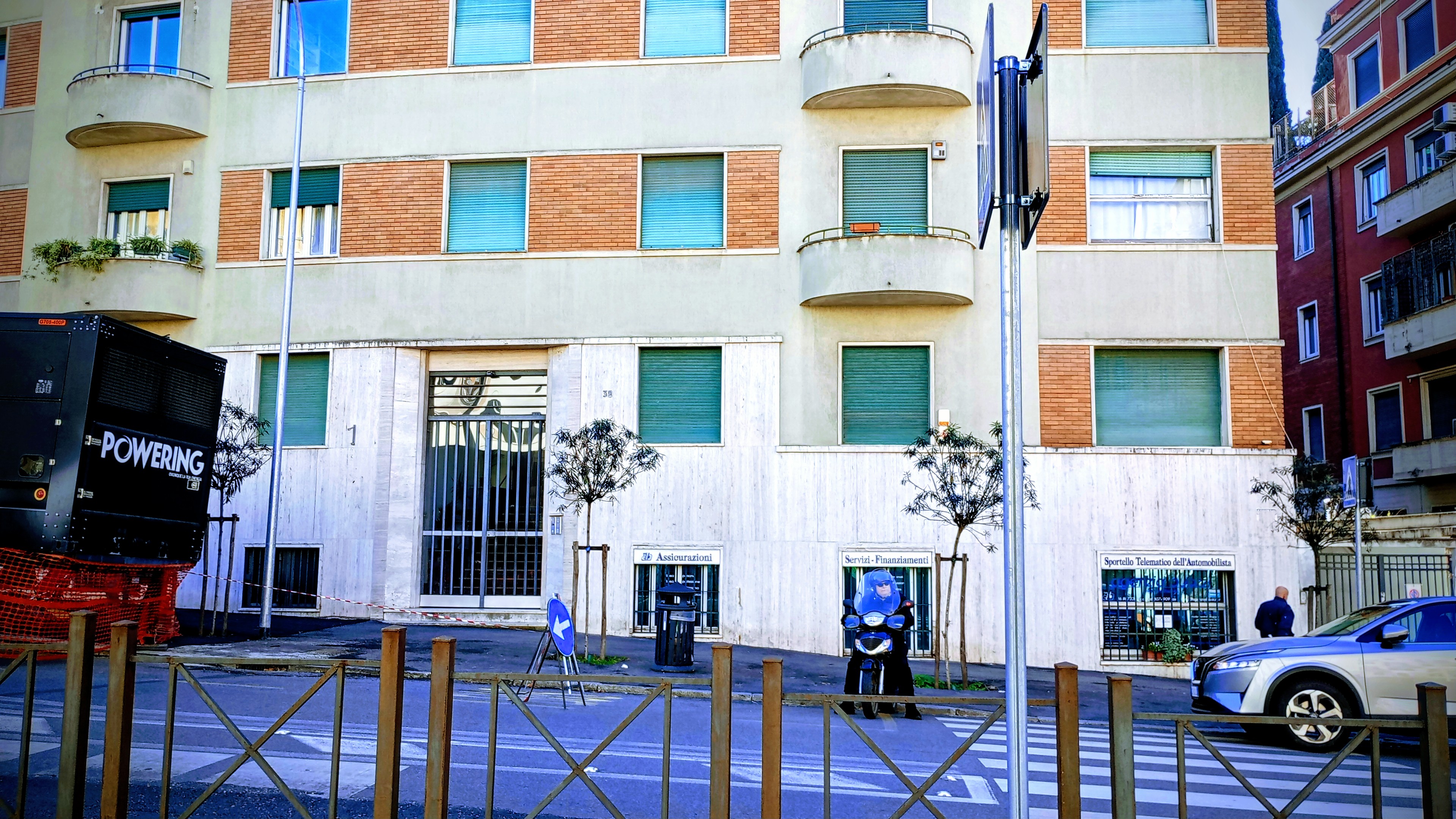
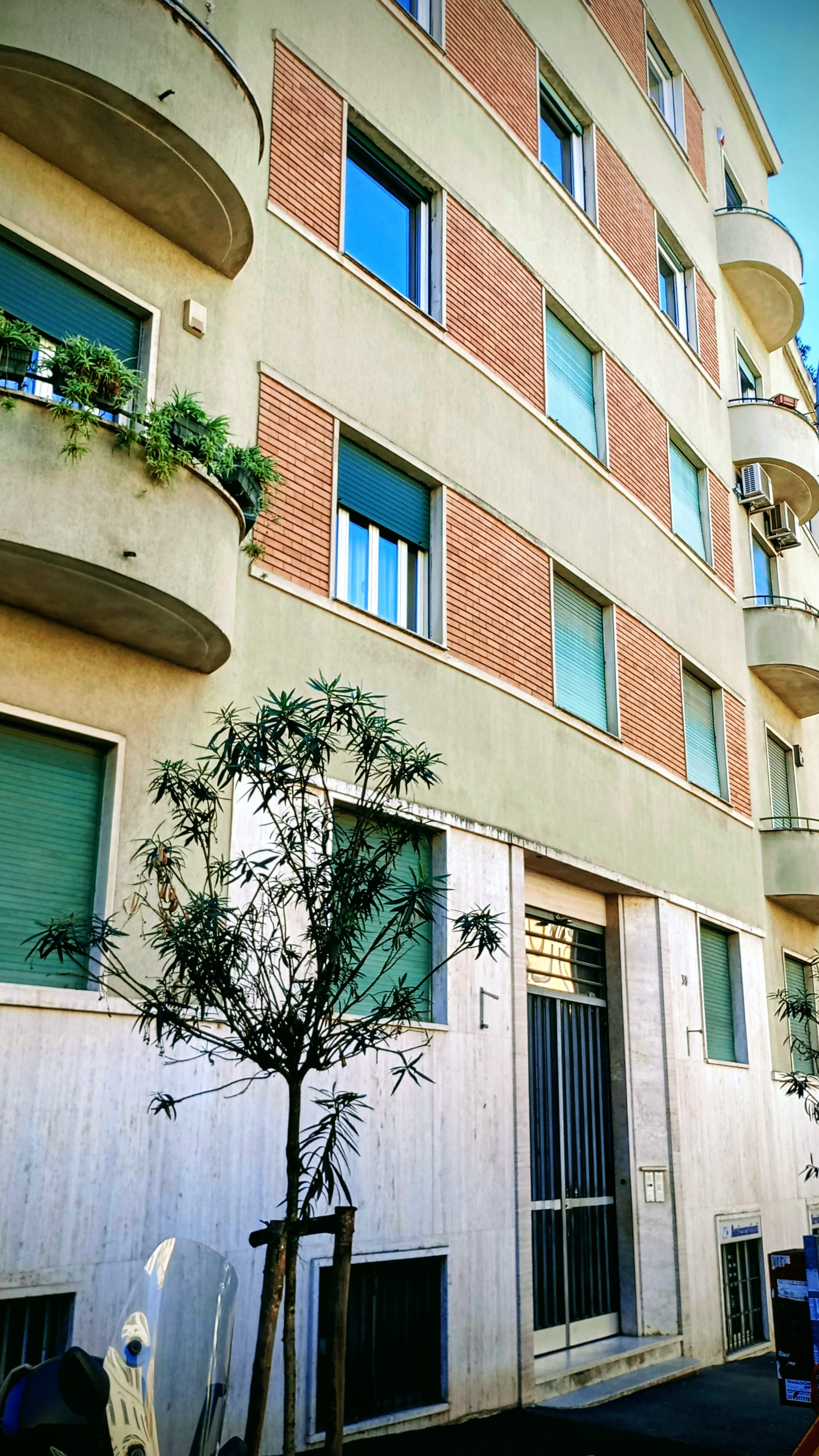
Savinio’s real name was De Chirico but since his brother painted, too, he changed his name to Savinio. Savinio met his wife, Maria, in 1925. She was acting in a performance directed by Pirandello at the Palazzo Odescalchi Theater in Rome. Before marrying Alberto, she was Maria Morino and had just recently from being on tour with Eleonora Duse. Both DeChirico brothers painted portraits of Maria.

6. Palma Bucarelli, Monti Parioli, via Ximenes 12
For years Palma Bucarelli, director of GNAM (Galleria Nazionale di Arte Moderna), lived in an apartment located inside the gallery. Although she would have continued working until she dropped dead, Palma was forced to retire in 1975. Nevertheless, for several years she continued to live at the gallery but was forced out of there, too. No longer able to live in her beloved gallery, Palma moved to this property where she lived the final years of her life. It’s said the house was full of boxes as she just didn’t feel the need or desire to unpack.
I don’t know what floor she lived on but I would imagine the one with the terrace as she loved dogs and always seemed to have one.
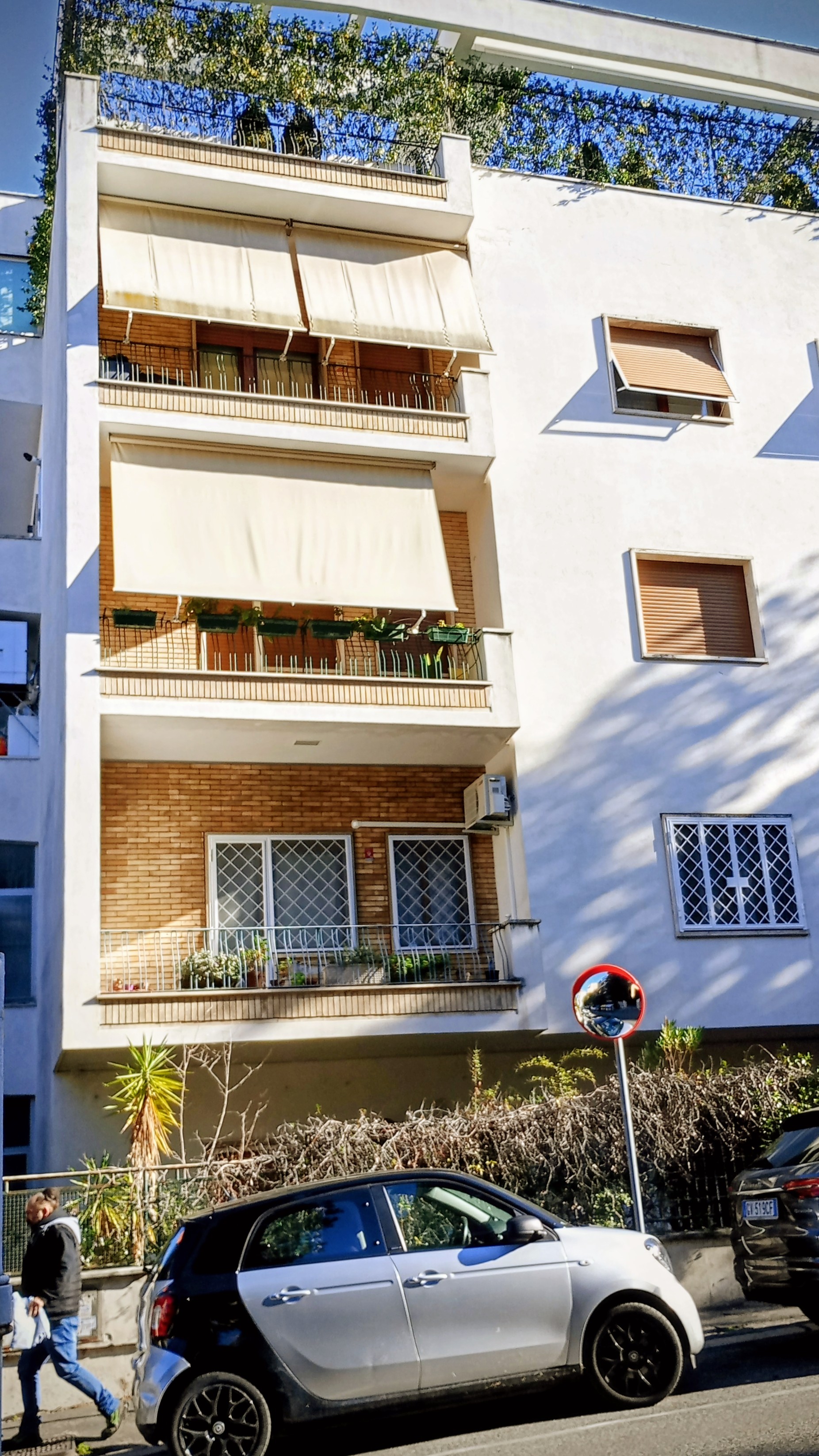
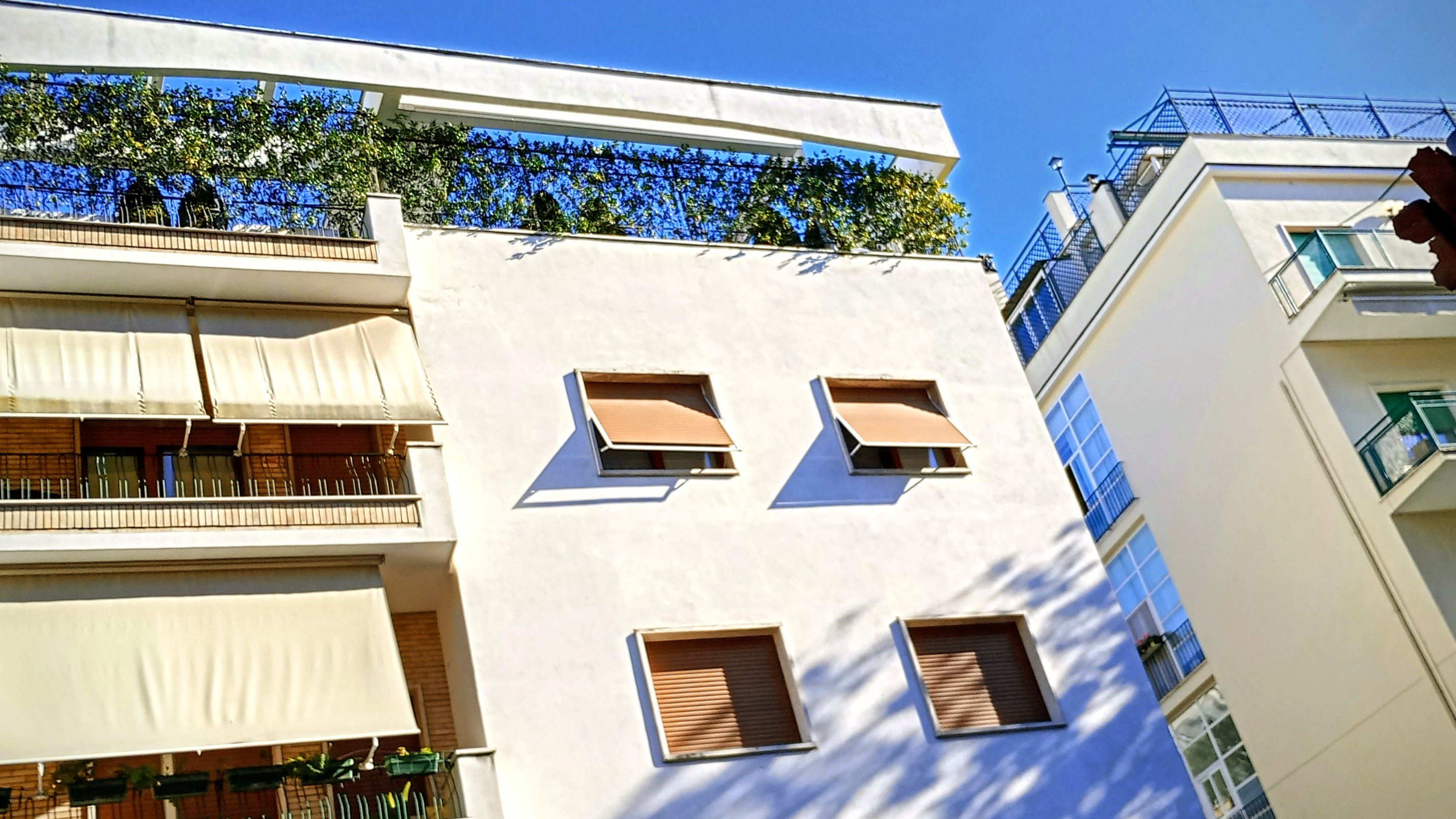
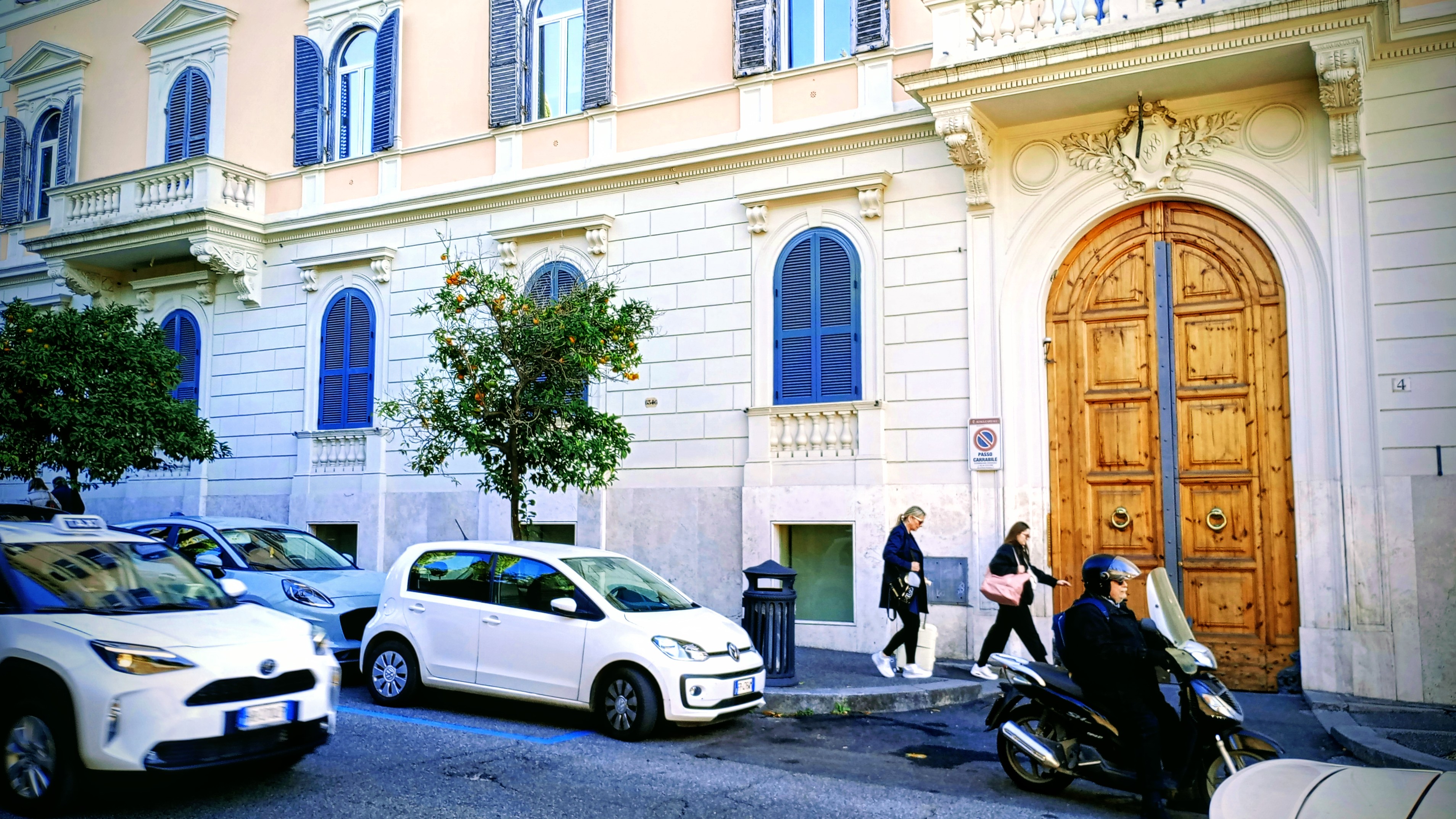
The houses in this area tend to have many windows and balconies.
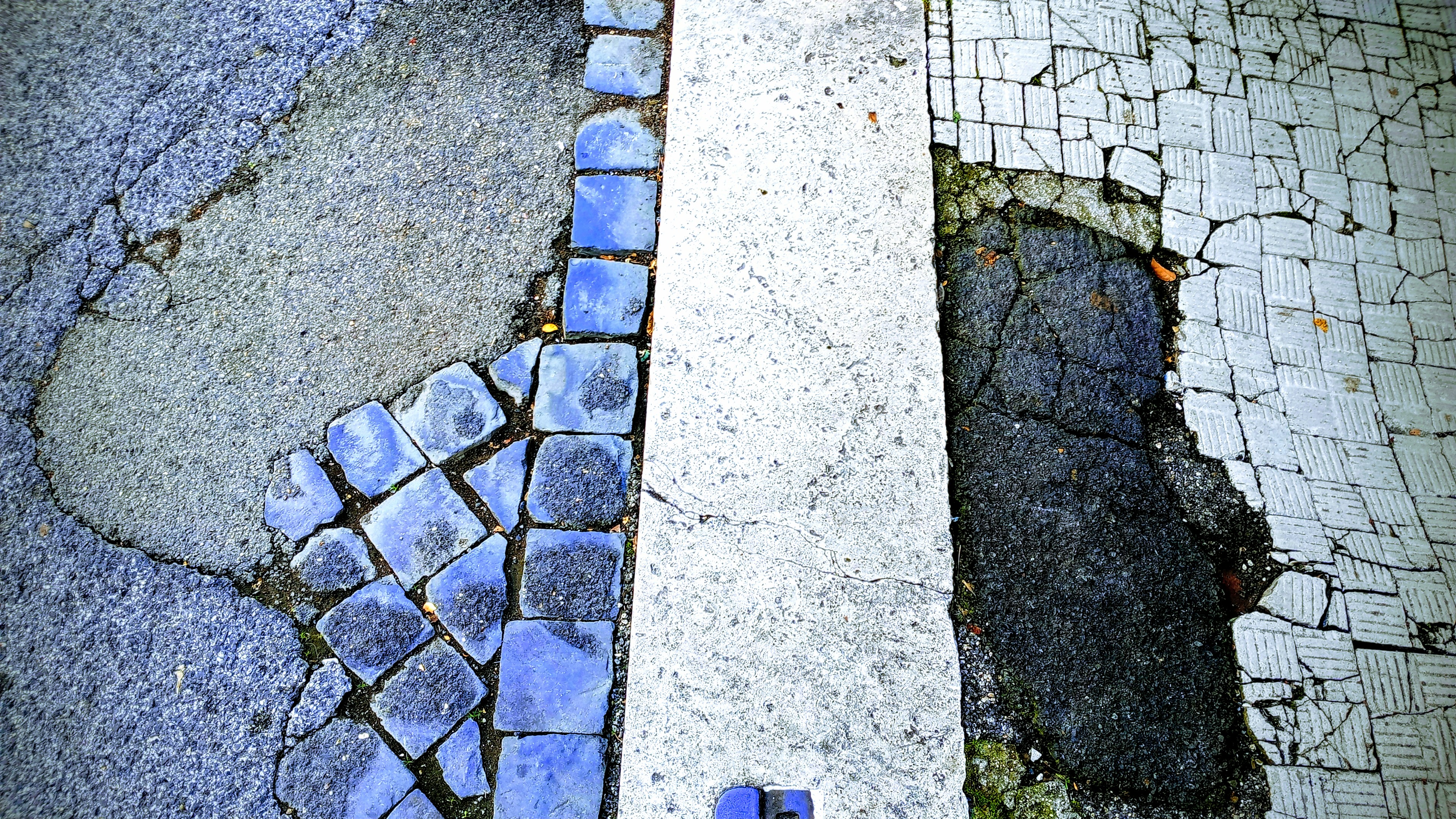
It was really difficult to take fotos of the entire building. I tried to step back as much as possible and wound up in someone’s drive way. The friveway had been patched so much that it reminded me of the abstract and informal art Palma was so focused on.


This is the Galleria Nazionale di Arte Moderna that Palma loved so much. For 30 years she lived and worked here. The entrance to her apartment is in the back of this huge structure accessible by via Gramsci.
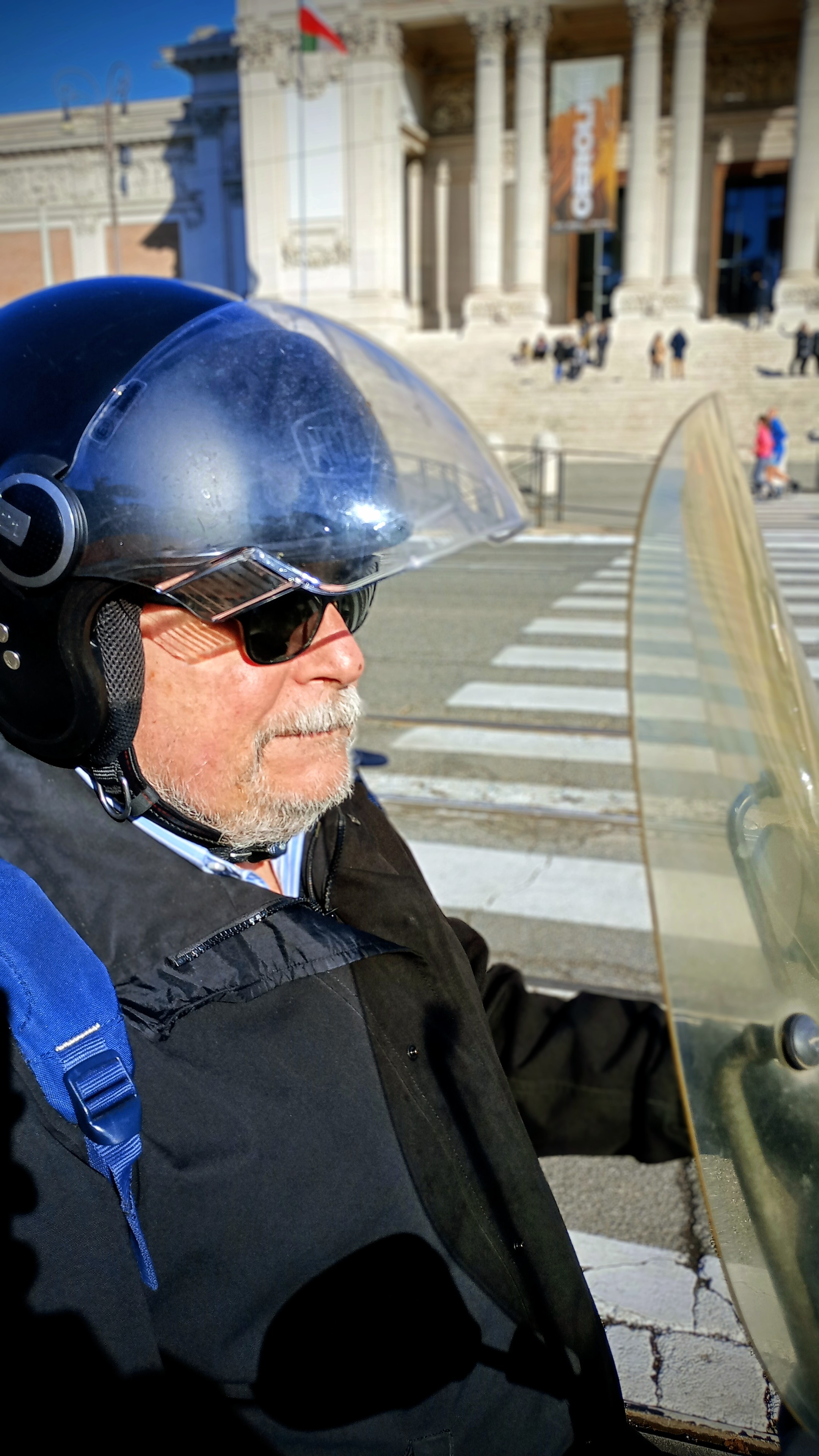
My driver
7. Elsa Moranti and Alberto Moravia , Via Giovanni Sgambati 9
This street was named after the composer Giovanni Sgambati, Regina Margherita’s favorite composer. Alberto Moravia grew up on via Sgambati and later would live there with his wife, the writer Elsa Morante.
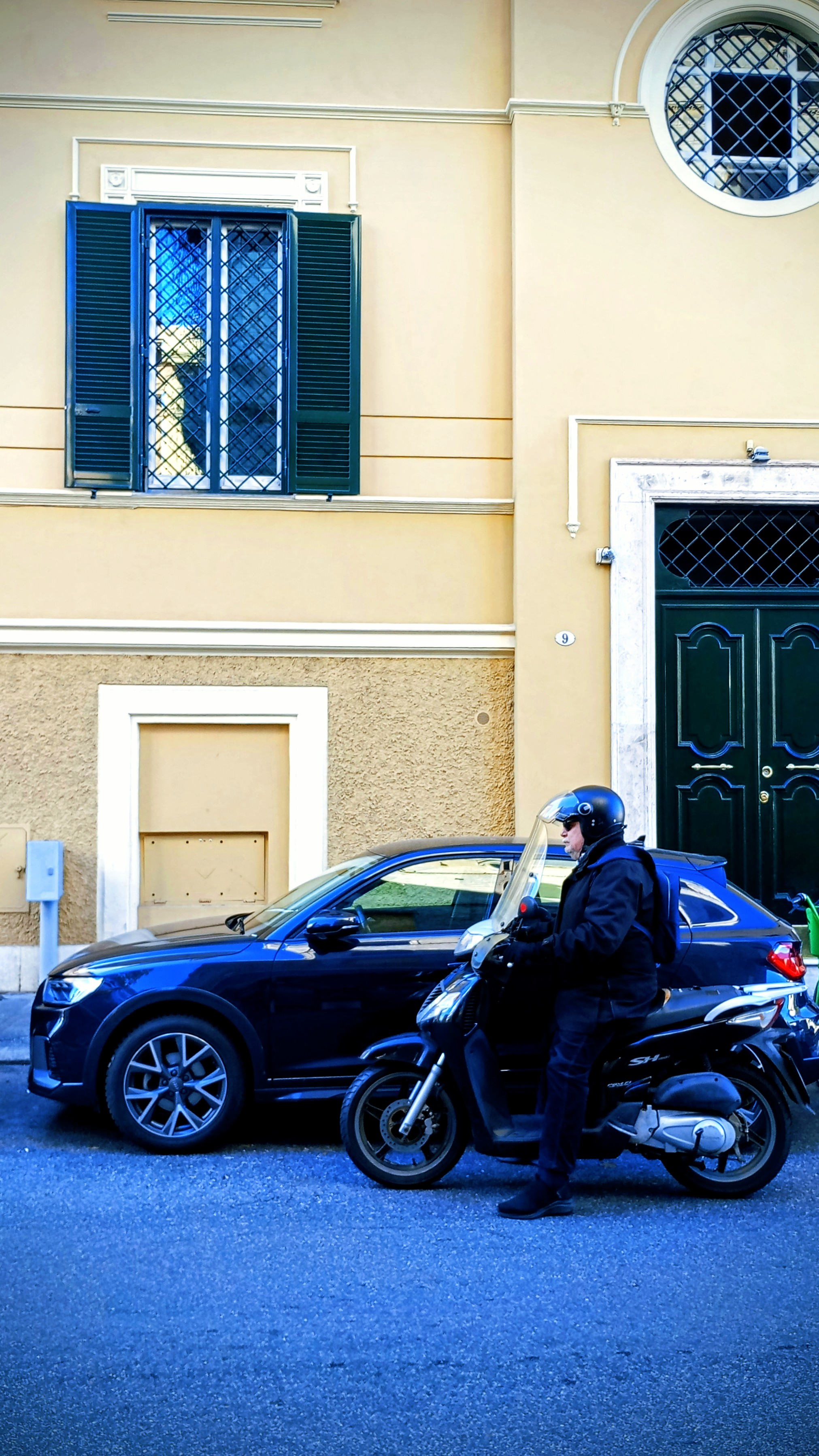


Below, the Moravia house is on the left and right across the street is the park.

8. Titiana Maselli, via Porta Pinciano 4
Titiana was an artist and scenographer. her dad was an art critic and her brother, Francesco Maselli, a well-known movie director. In 1945, Titiana married the artist Toti Scialoja. In the early 1950s, she went to New York to see what was happening. For awhile she was interested in Futurism then in Pop Art.
Titiana’s first important exhibit was at Irene Brin‘s L’Obelisco in 1945.


After the tour, we went to Feltrinell’s for some Book Binging. It was perfect scooter weather, too.
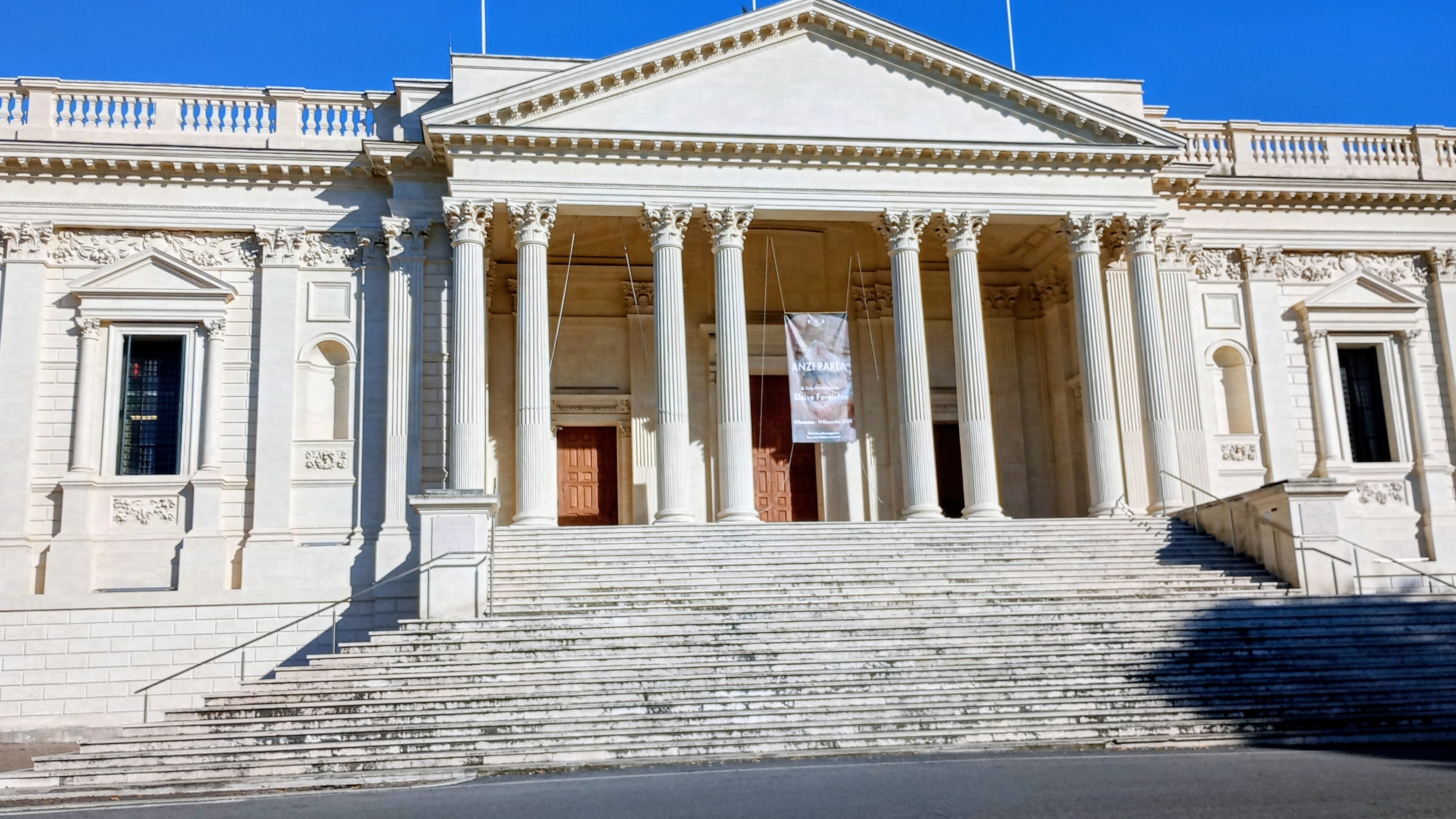
The British School at Rome situated in the Belli Arte area not far from GNAM.

A Silly Selfie in front of GNAM…I’m not sure but I believe the big metal ring in the background is the work of Arnaldo Pomodoro.
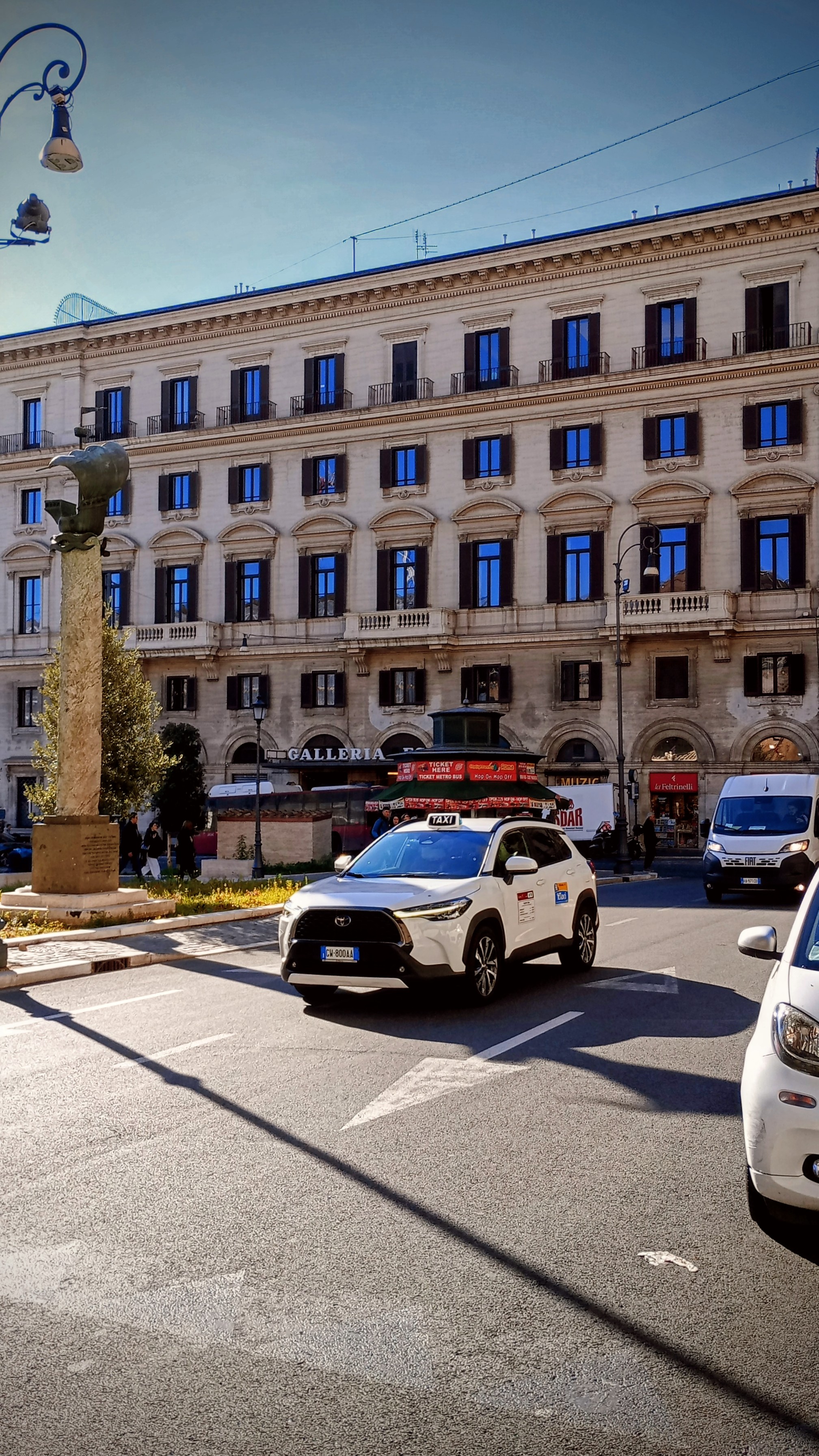
From the scooter, the red sign indicating Feltrinelli’s is visible. For more about Feltrinelli’s and why it’s important, read my post. Feltrinelli’s Zhivago.
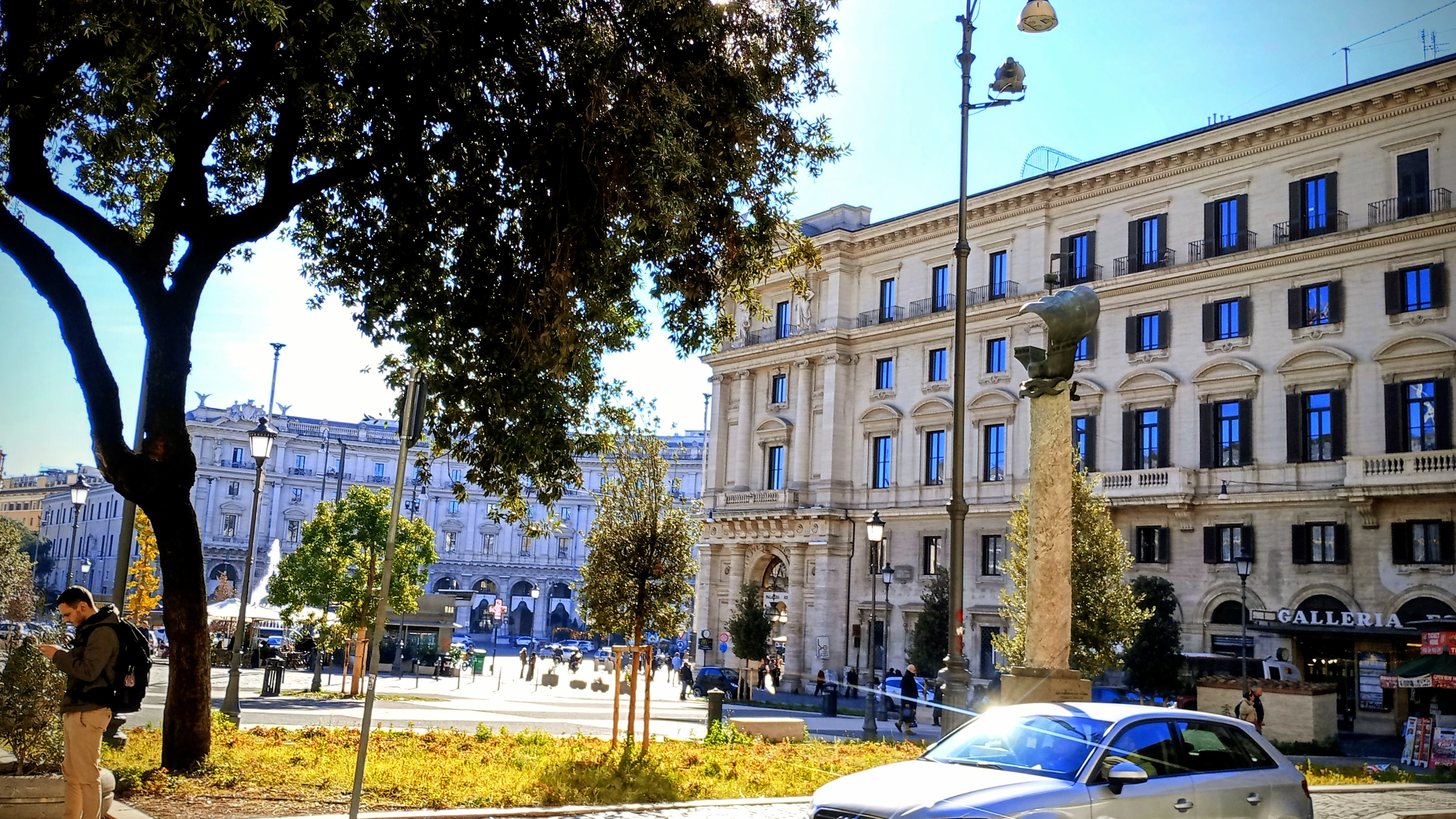
Piazza della Repubblica is in the background.
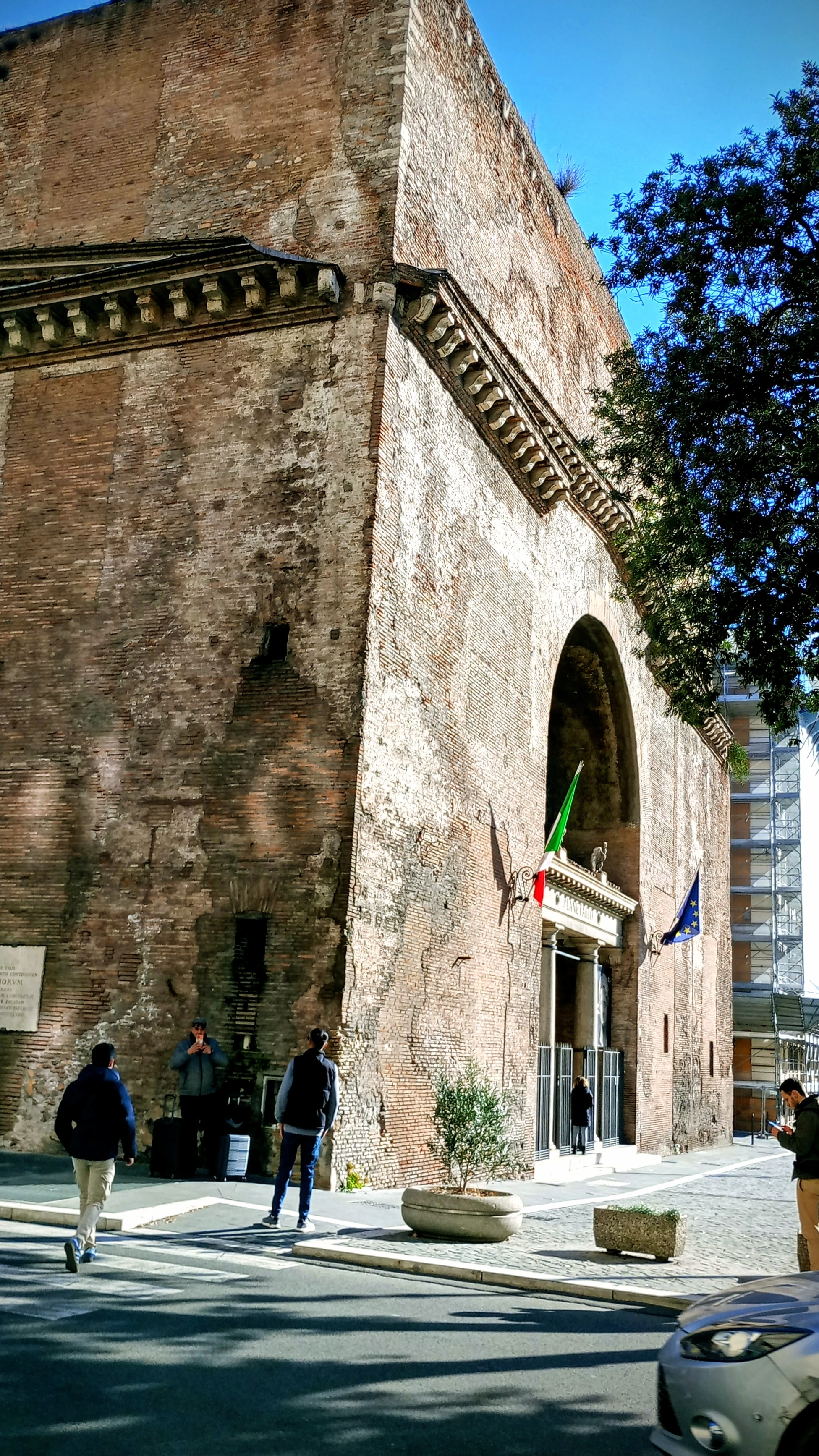
Aula Ottagona, ex Planetario, was once part of the Baths of Diocletian. It was used as a planetarium in the past.
WordPress is not collaborating today. For some reason, the margins are wacko and it’s difficult to make corrections….sorry.
Appropriations for AI will be jinxed.


 The Narrative Within
Where is this in relation to the EUR?
Far away …north of Centro storico
Far away. Parioli Is more towards the center.
Pingback: Alberto Savinio – Verano Monumental Cemetery in Rome