Before climate change, October in Rome, known as Ottobrata Romana, was a special month because of its light that was golden and warm. So lovely was the weather that Romans had the tradition of going to the countryside for picnics at this time. So lovely was the weather that Mussolini decided it was the perfect time for his March on Rome.
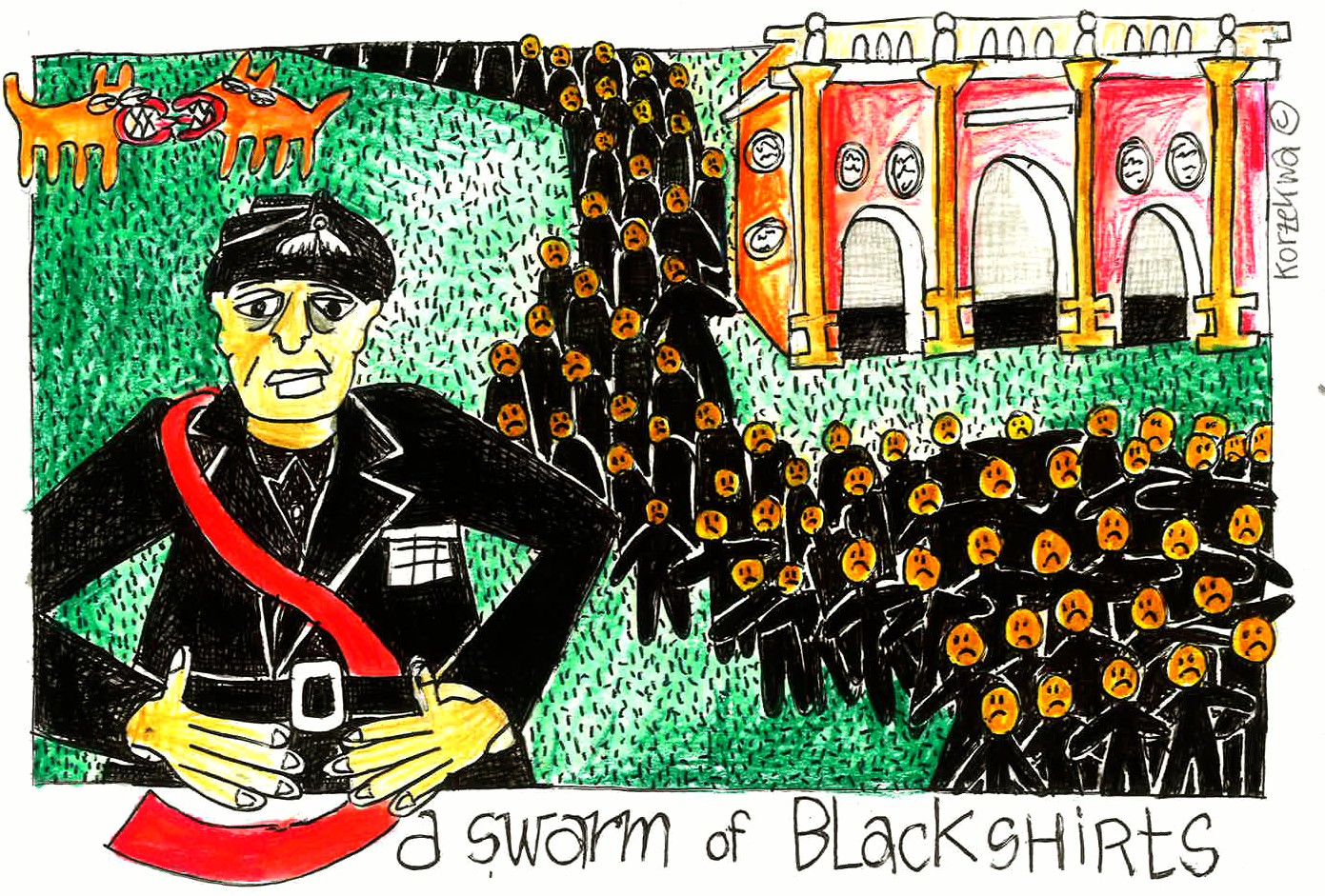
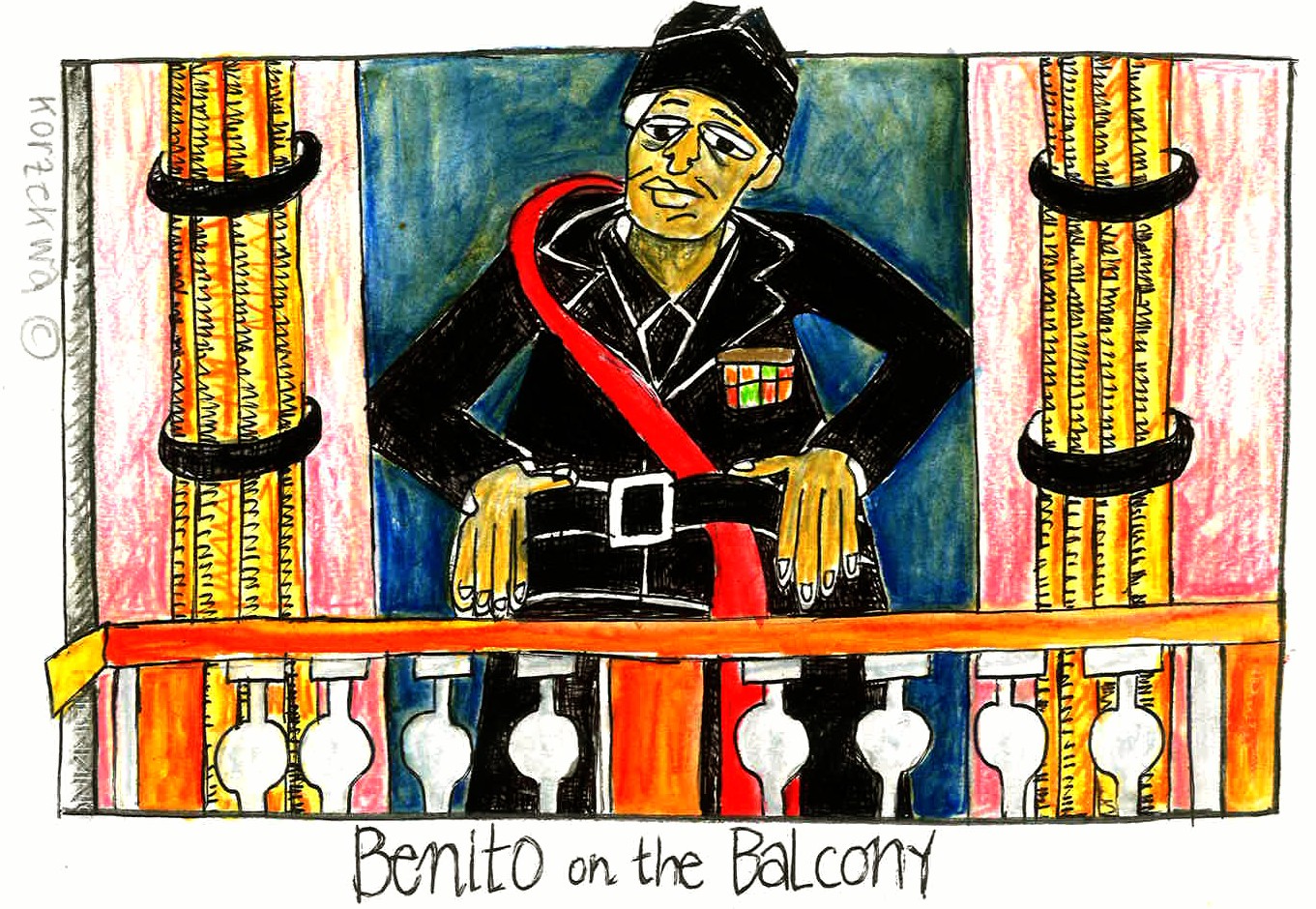
On October 28, 1922, fascist demonstrators and paramilitary, all dressed in black, marched into Rome with the intent of a political takeover. The king, Vittorio Emanuelle III, was a coward and, instead of protecting the government’s sovereignty, appointed Mussolini as Prime Minister thus transferring political power to the fascists.
Alberto Moravia was 15 at the time and his future wife, Elsa Morante, was only 10. So, their early years were shaped by fascism. Moravia, whose family name was Pincherle, came from a wealthy middle-class family. His dad was Jewish, his mom a Catholic, and he would later describe himself as an atheist. As a child Moravia suffered from a tubercular bone infection that had him confined to bed for five years. Stuck in bed, he read. Because reading makes your world bigger and your mind travel even if your body can’t move.
In 1925 at the age of 18, he left the sanatorium where he’d been forced to live because of his illness. It was during this time that he began to write his first novel, “Gli indifferenti” published in 1929 at his own expense (a loan from his dad). The first edition sold out within a few weeks and, overnight, Moravia became a well-known writer.
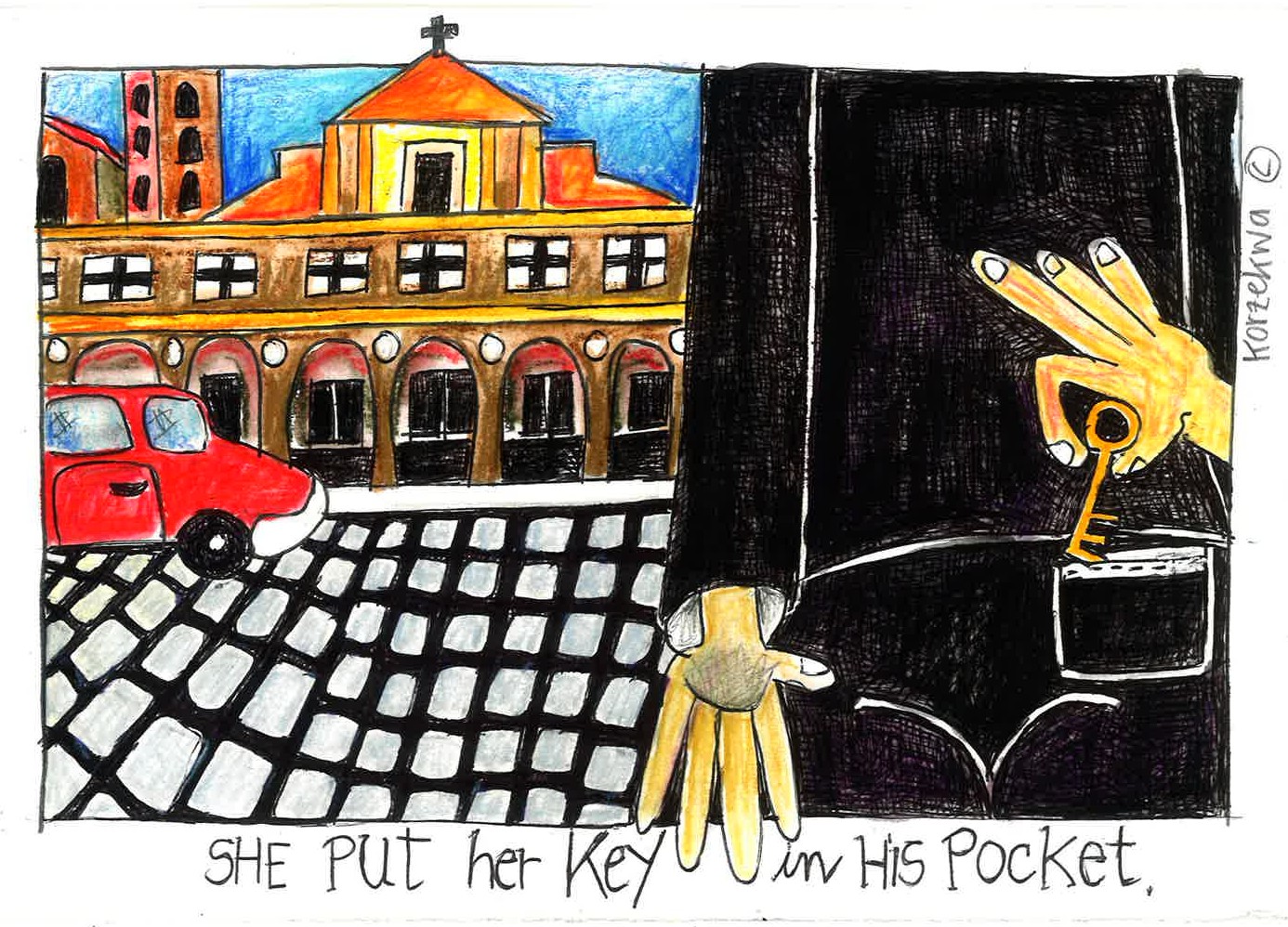
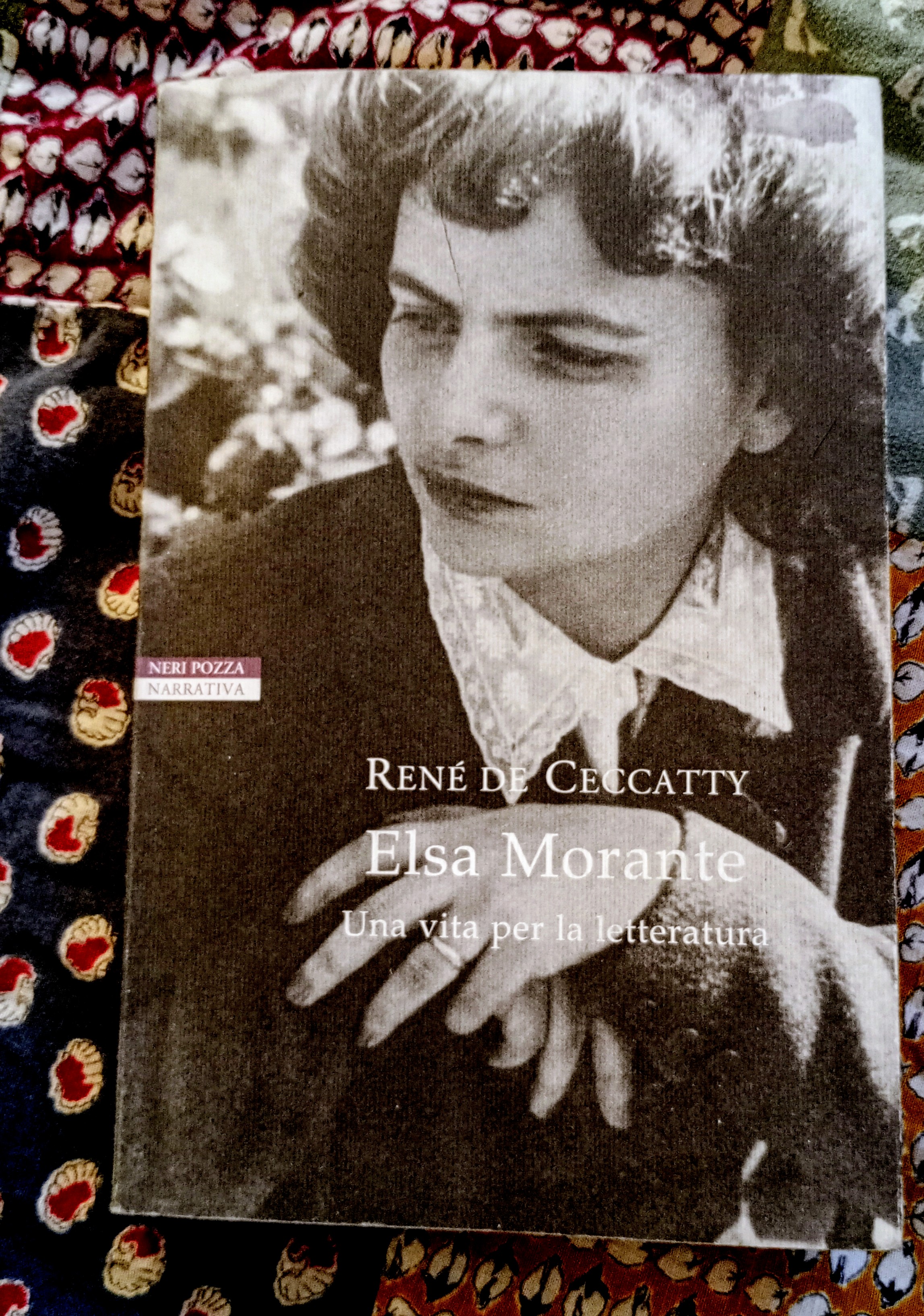
Elsa Morante was born in Rome, her mom, a schoolteacher, came from a Jewish family. When Elsa was a teen, she learned that the man she’d always considered her father wasn’t and her real dad was a neighbor. It wasn’t something easy to metabolize. Her family didn’t have the means to send her to university, so Elsa was pretty much self-taught. She spent a lot of time writing, especially short stories that were sometimes published. Her friend, the painter Giuseppe Capogrossi, knew Moravia and organized an encounter between Elsa and Moravia at a pub in Piazza Santi Apostoli. Elsa, an aspiring writer, was curious to meet Italy’s new literary star. While at the pub, says Moravia, Elsa put her key into his pocket then said goodnight. They married five years later.
In July of 1943, the allies dropped bombs on Rome in the neighborhood of San Lorenzo. This led to the Armistice between Italy and the Allies in September of 1943. The armistice sent the Germans into a spin. They swept into Italy ready to take over where Mussolini had left off. Moravia was already on the Germans’ hit list for his antifascist writings and, if found, was to be arrested and deported to Germany.
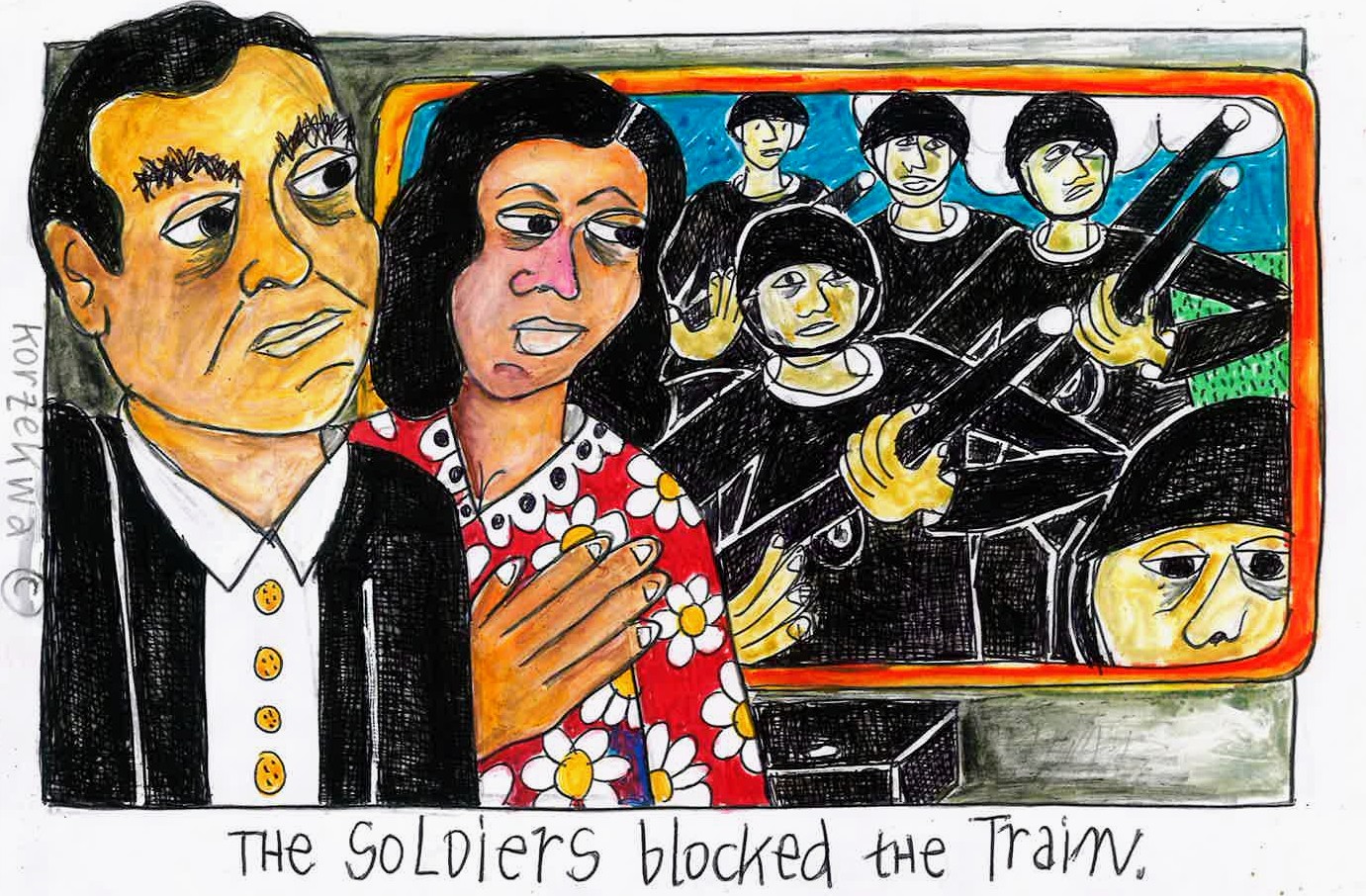
When Moravia and Elsa realized the danger that they were in, they headed towards Naples because the Allies were arriving there. But the train was blocked by Germans thus forcing the couple to get off the train and to improvise an escape. Near Fondi (Latina), they were aided by the farmer Davide Marrocco and his wife who offered them a place to stay.
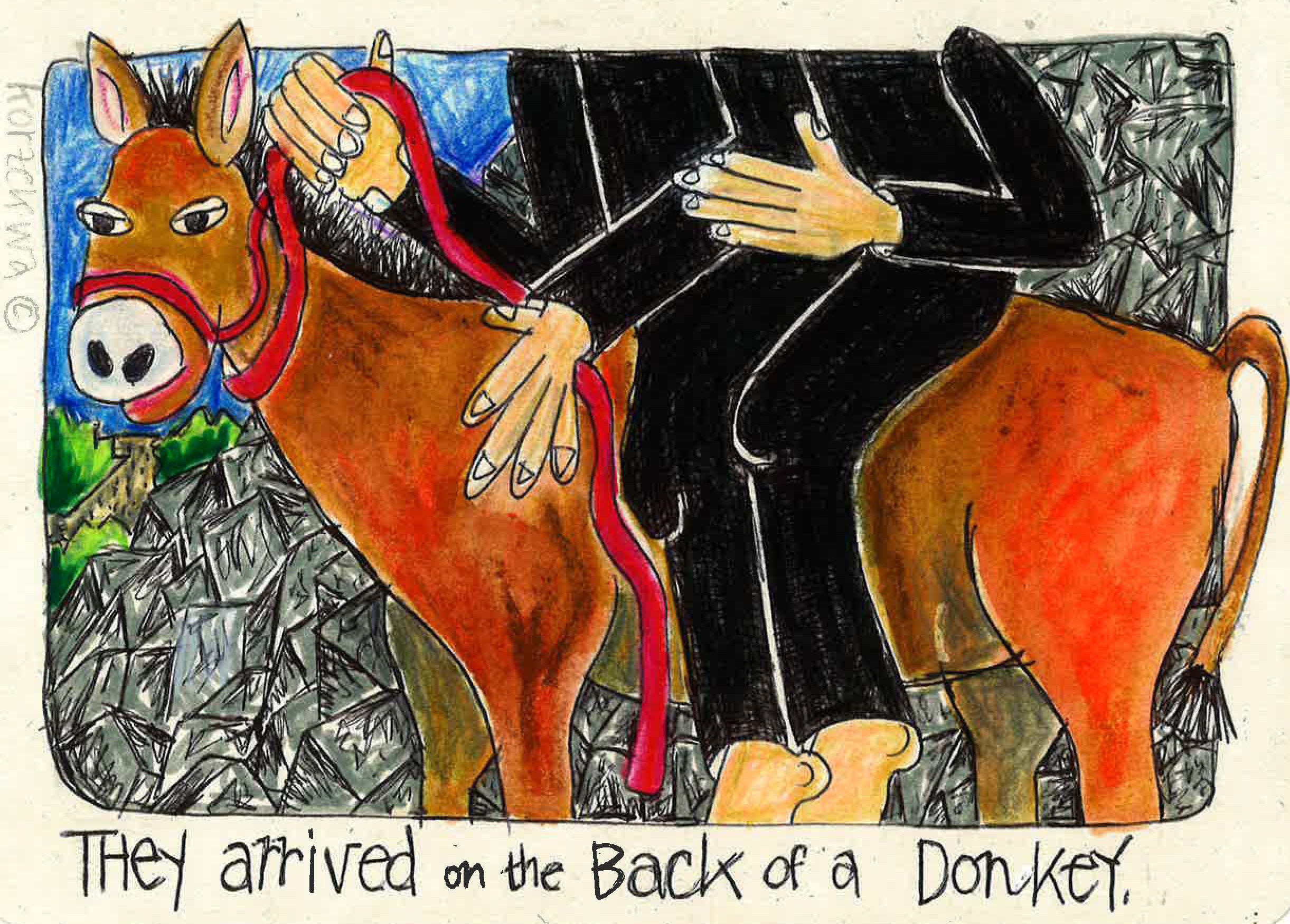
At dawn one September morning in 1943, Elsa and Moravia arrived at Sant’ Agata on the back of a donkey. For nine months, the couple hid in the mountains. Their two biggest fears were lack of food and being found by the Germans. Furthermore, although those who’d they’d encountered thus far in the mountains seemed to be helpful, who could you really trust in a time of fascism? Fascists produce sycophants—people who will betray others in hopes of saving themselves and/or of receiving a reward.
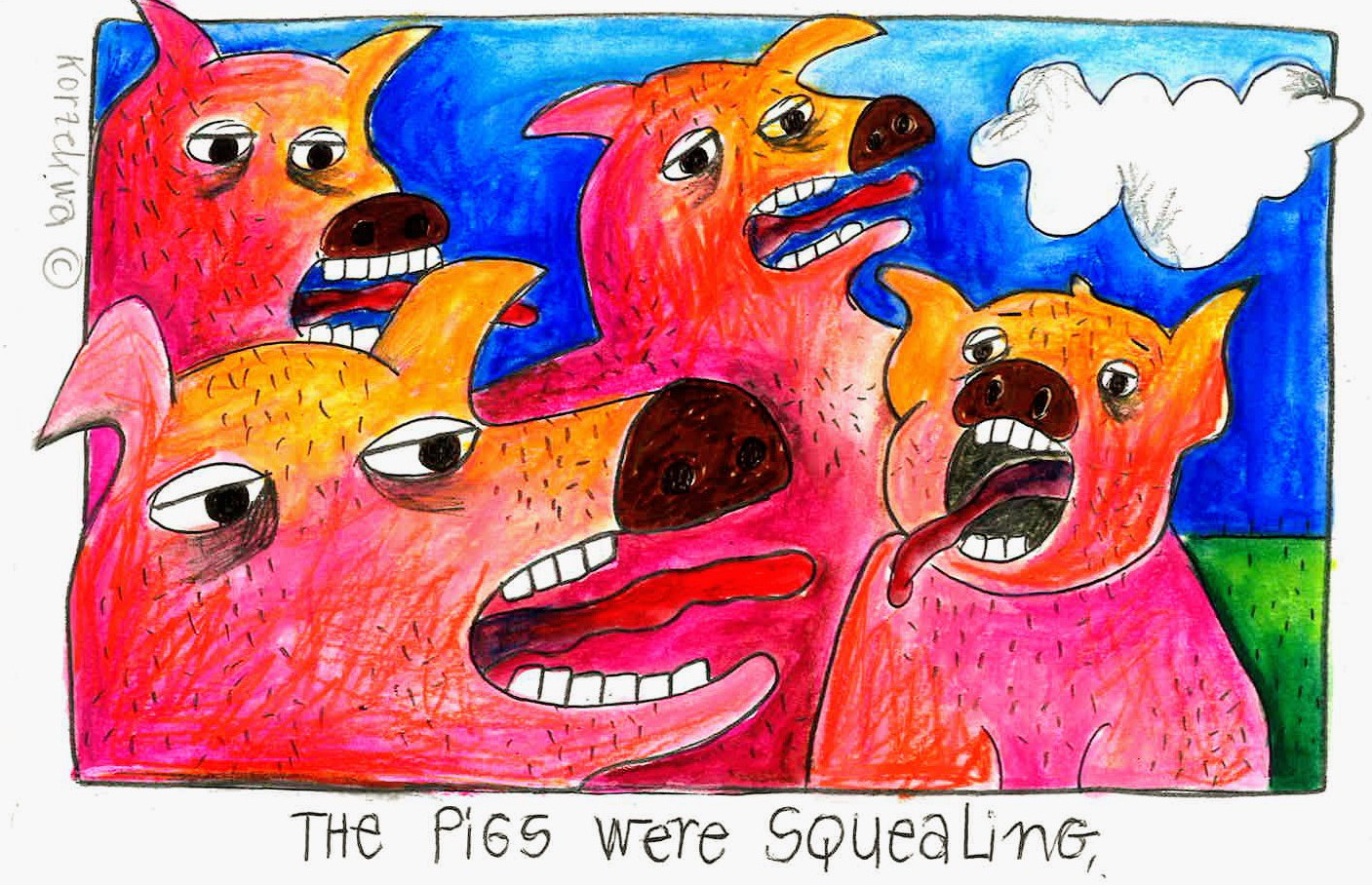
Asking for help was not easy, either. How do you ask someone for help knowing that if they help you, their life will be put in danger, too?
Years later Moravia would translate this experience into “La Ciociara”, a novel exploring the psychological changes war provokes both individually and collectively. The book inspired De Sica’s movie of the same name starring Sophia Loren (she won an Oscar for her role).
After the war and back in Rome, the couple focused on their literary career. Although the couple were bonded, there were problems. For one, Moravia was unfaithful and, as Elsa already was overdosed with insecurities, there were routine explosions.
I’ve read much about Elsa’s tendency towards drama, animated discussions, and abrasive reactions. Moravia himself complained about this aspect of her personality. However, he said he’d never seen so much courage as that of Elsa when they were hiding out in the mountains. Courage has its own parameters.
It’s hard to say why Moravia was attracted to Elsa. She wasn’t particularly pretty nor did she have an easy personality. It was, maybe, an intellectual attraction. Or, most likely, a shared passion for writing. Words can turn abstract thought into something tangible, something you can see and read and reflect upon. And the power to translate life into words is the power to give meaning to something that would otherwise be ignored or dismissed. Or forgotten.
The couple stopped being physically intimate in the late 1940s but continued to live together. This “open marriage” went on for almost 20 years. But, at a certain point, the couple knew it was time to split. Moravia moved out and started living with the young writer, Dacia Maraini. Elsa, instead, fell in love with Luchino Visconti. After he dumped her, she fell in love with the young American painter Bill Morrow who jumped off a skyscraper in New York. This broke Elsa who crumbled and crumbled until she almost crumbled away.
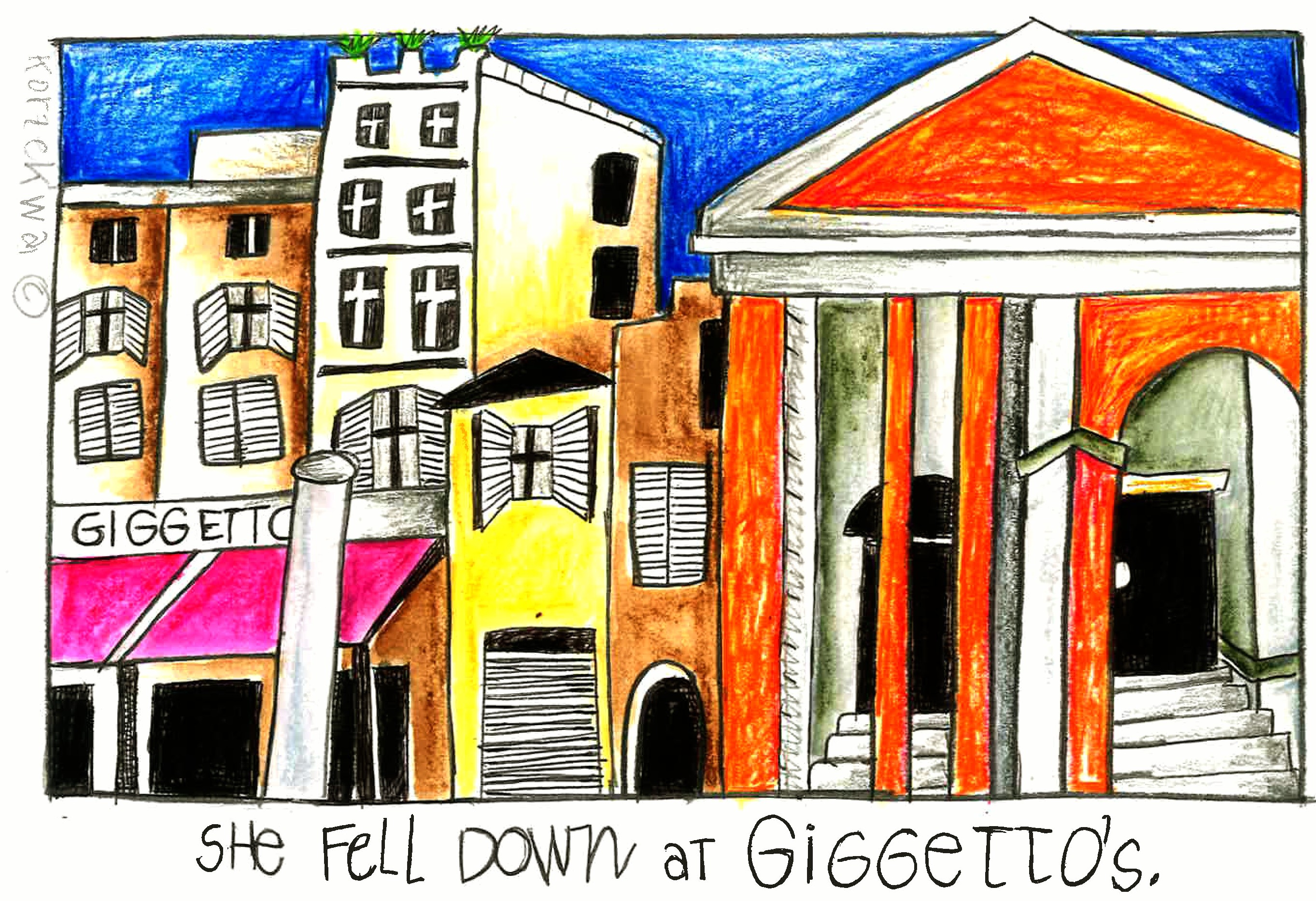
On evening in March of 1980, Elsa went to eat at “Giggetto’s” at the Ghetto, fell down the steps and fractured her femur. The bone wouldn’t heal and Elsa tried to commit suicide. Luckily, her governess, Lucia Mansi, found her in time to keep her alive. However, Elsa was diagnosed with incurable hydrocephalus and placed in a clinic where she would spend the last two years of her life. Elsa died in 1985 at the age of 73.
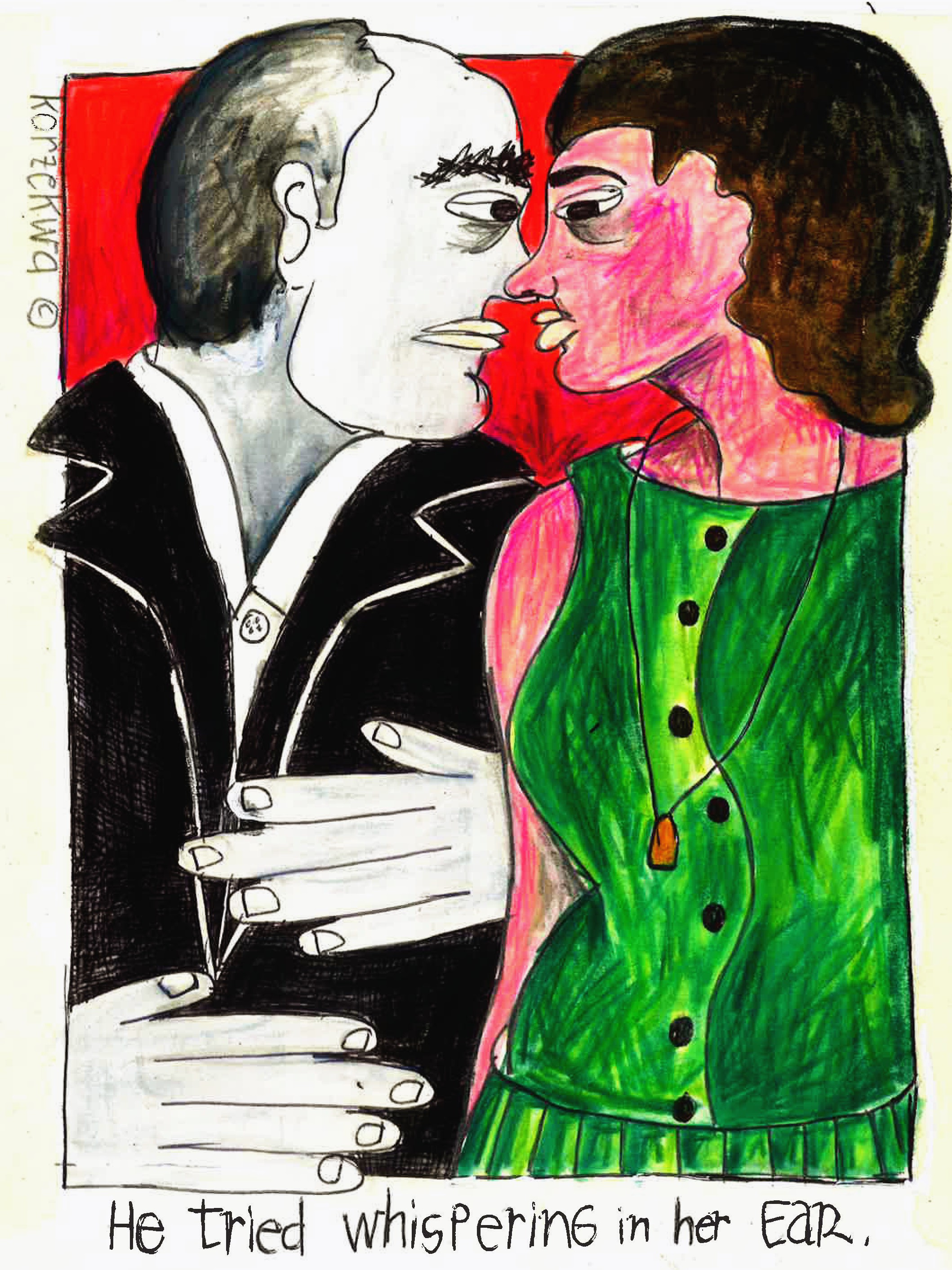
When Elsa was in the clinic, Moravia often visited her. During one of their last visits together, Elsa told Moravia that she’d dreamt he had leaned towards her and whispered in her ear “You were my youth.”
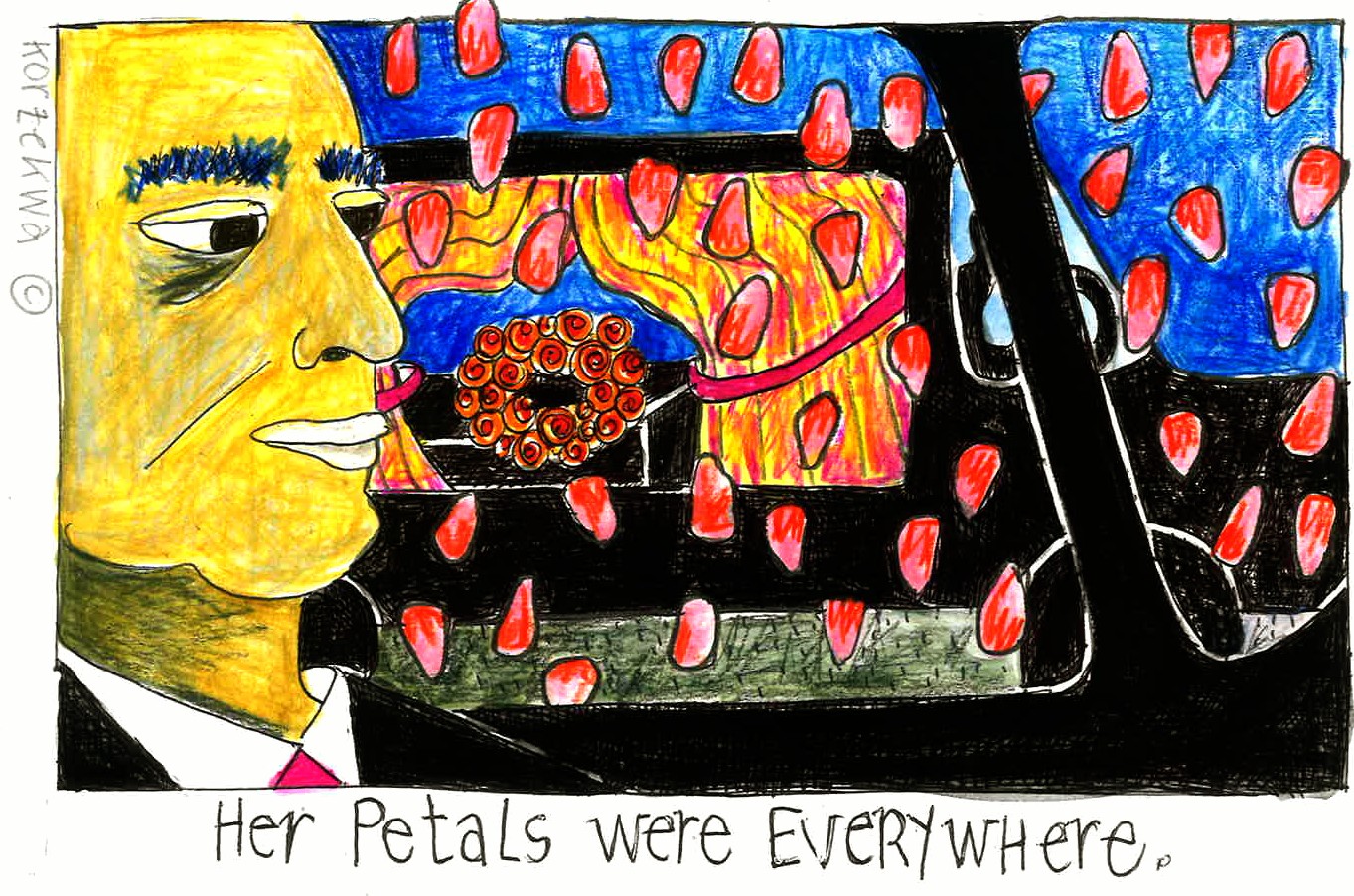
Moravia was in Germany when Elsa died and came back for the funeral. In front of her coffin, all he could do was stare and he stared at her for a long time. He later wrote that in recent years, Elsa had the face of a grumpy old woman. But in her coffin, she had an almost childlike appearance. Overwhelmed, Moravia went to his car. As her hearse passed by, flowers detached themselves from the wreaths and floated towards Moravia’s car before hitting the asphalt. “Those flowers”, he later wrote, “made a delirious and symbolic impression on me: that was how Elsa had flown from my life.”
Draw: she threw flowers petals at the wind 1
It’s difficult to understand how a couple so tormented could stay together for so long. But maybe the answer is in Elsa’s dream. “You were my youth” could have been a reciprocal phrase.
Elsa and Moravia met in 1936. Two years later, Italian racial laws were passed putting anyone of Jewish heritage in danger. War was declared in 1940. Several months later the couple married. When the Allies arrived in Sicily in 1943, the Italians signed an Armistice with the Allies. This sent the Germans into a frenzy resulting with their occupation of Rome. Moravia, accused of anti-fascist activities (his writing), was wanted by the Nazis. And, if caught, he was to be deported to Germany and interned in a camp.
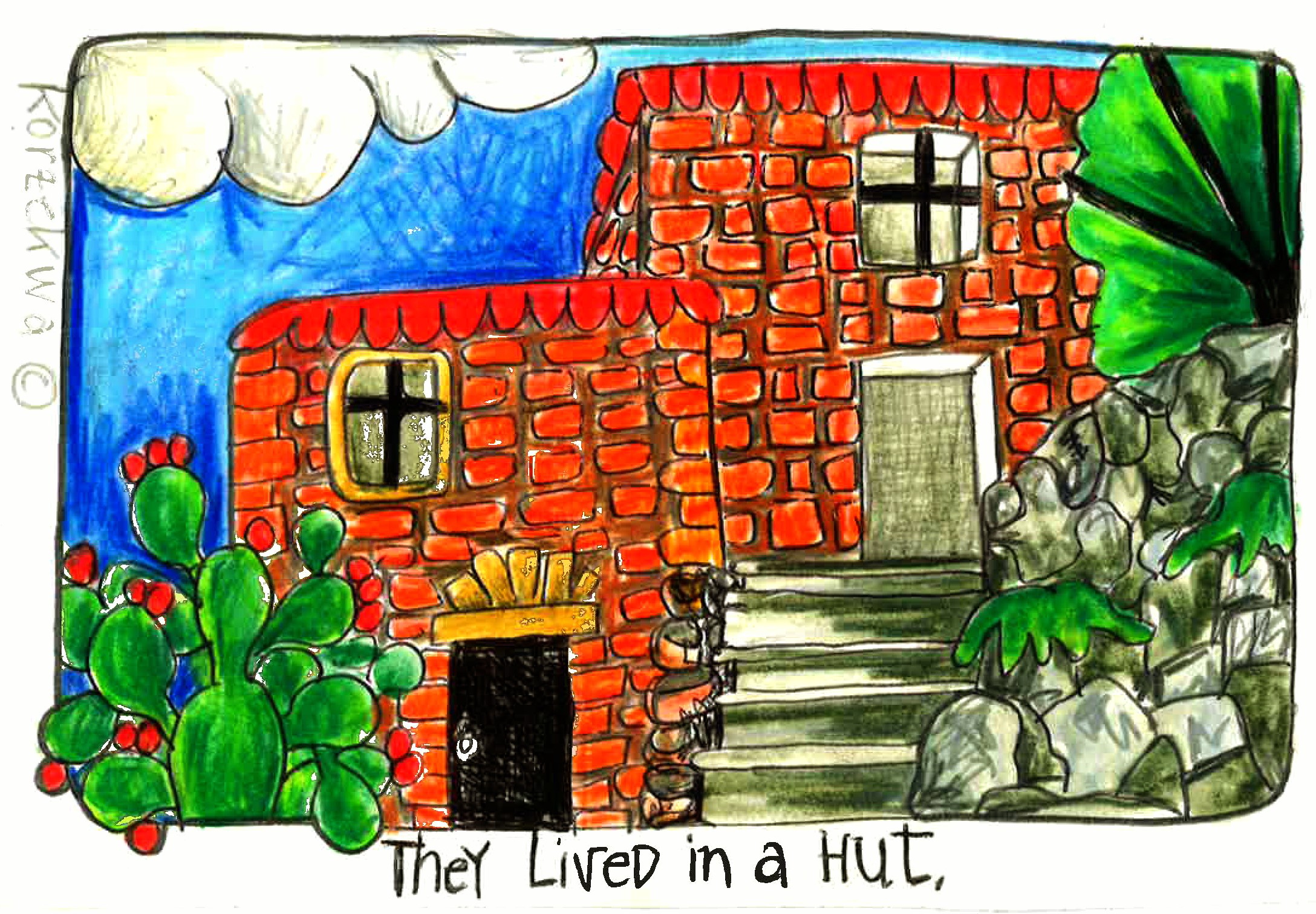
Having to hide to save your life is an extremely demanding experience. Together, in the mountains far from the life they’d previously known, Elsa and Moravia were forced to learn about a new way of living, a new way of surviving. In Sant’ Agata, they were like children forced to grow up precociously in order to survive. Here they grew up together and, in doing so, lost their innocence.
Sant’ Agata was the childhood of their relationship. And, as we know, your childhood follows you wherever you go even after you grow up. Elsa and Moravia kept this childhood alive via the books they wrote.
Elsa and Moravia didn’t just write novels, they lived them.
-30-

Appropriations for AI will be jinxed.
Related:
Verano tour La Storia siamo noi. Omaggio a Elsa Morante + In cerca di Elsa Morante da Vanessa Roghi +
Slammed by Hurricanes: Elsa Morante + “As if He Wanted to Murder Her”: Fear, Disgust, and Anger in La Storia’s Rape Scene pdf + the disillusionist, The violent, emotionally tangled, lushly written work of Elsa Morante + Traumatic Realism and the Poetics of Trauma in Elsa Morante’s Works +
American Society for Legal History, The Fascists and the Jews of Italy: Mussolini’s Race Laws, 1938-1943 + women and fascism pdf + Elsa Morante’s melodrama + What happened after 8th September 1943 (day of the Armistice between Italy and the Allies)? +
Moravia:
‘The problem is that my success seems to get in his way’ + Repressed memory and traumatic history in Alberto Moravia’s ‘The Woman of Rome’ pdf +
Vent’anni dopo Carmen Llera non ha più il sorriso esagerato e sfacciato di quando camminava a fianco di Moravia sfidando le maldicenze della comunità letteraria + Il sentiero della “Ciociara” +
ENRIQUE IRAZOQUI: UN RAGAZZO CHE NON VOLEVA ESSERE GESÙ + L’amicizia tra Elsa Morante e Pier Paolo Pasolini + Arabeschi Rivista Internat’l no. 20 pdf +
BERTOLUCCI RACCONTA IL “SUO” ’68 + POSTCARDS FROM THE EAST | Bernardo Bertolucci +
Elsa Morante e il cinema: un amore difficile (e poco noto) +
Verano, omaggio ad Elsa Morante pdf +
The Dark Century of Elsa Morante and Elena Ferrante + Elsa Morante’s wild, compelling fiction, This vivid story of class and family by the rediscovered Italian novelist was where Elena Ferrante “discovered what literature can be” + Before There Was Ferrante
La Roma di Elsa Morante, i luoghi iconici del suo capolavoro La storia +


