Day 3
Walking is also about inter-relating with your surroundings. Driving, instead, reduces your visuals to little more than a blur (even though blurs can be beautiful like Arthur Dove’s painting “Fields of Grain as Seen from A Train Window”). Focusing on the road, you concentrate on where you’re going and not where you are. Walking, instead, gives you the possibility to observe the world around you. Walking gives you details.

Arthur Dove‘s “Fields of Grain as Seen from A Train Window”
While still in town, I inter-relate with others. For example, the taverna owners on the waterfront. We have never passed by the Glass Café or Ta Kimata (The Waves) without the owners greeting us. When you encounter someone you know even if just superficially, it’s always an exchange: Ti kanis? Kala, kai essi? (How are you? Fine, and you?) As simple as these phrases are, they are very important as they protect us from being indifferent to the presence of our fellow beings. They are not formalities in as much as they are reminders that we share our space with others and must do so with respect.
At the port there’s another kind of inter-relating that underlines the need to be more aware of demographics. Boat passengers coming and going invade communal spaces making deambulation difficult. There is much competition for Some Room of One’s Own and not everyone is polite about it. Instead of walking a straight line, I’m forced to adapt my motion around the presence of others thus zig-zag in and out of the masses armed with trolleys and knapsacks. People are no longer persons but obstacles.
In the last 100 years, the world population has quadrupled and not enough people take this reality into consideration. The rise in demographics is not just about elbow room—it’s about food, water and natural resources in general.
So with so many people on this planet, how is it possible to be lonely?

Today’s mantra comes from Neil Diamond’s “I Am I Said”… “I am I said, to no one there and no one heard at all not even the chair.” Neil Diamond wrote this song while fighting depression resulting in much time spent in therapy. A common technique in gestalt therapy is to have the patient face an empty chair and talk to it perhaps imagining someone in the chair who is willing to listen.
“I am” is an affirmation of existence. In the Old Testament, God gave his name as “I am that I am” which brings to mind the mantra “So Ham” which translates as “I am that”.
“So Ham” is a mantra based on deep breathing and produces a humming effect. Humming increases the production of nitric oxide causing more oxygen in your blood—your body’s cells need oxygen in the blood to function properly.
I am, I am, I am.
Even if you are alone, you will not be lonely if you’ve made friends with yourself.
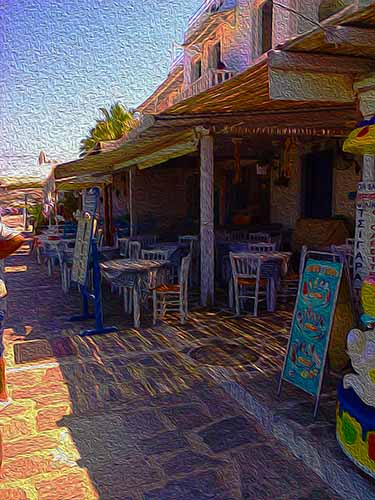

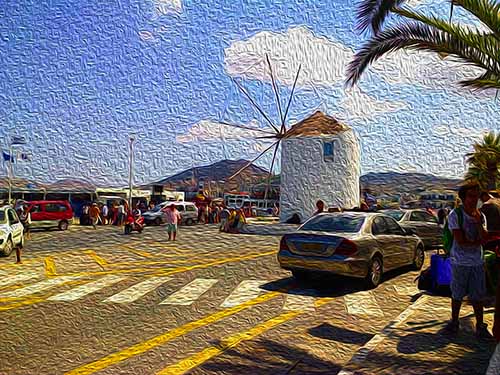
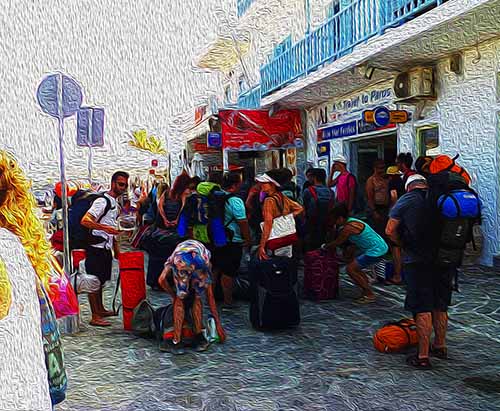
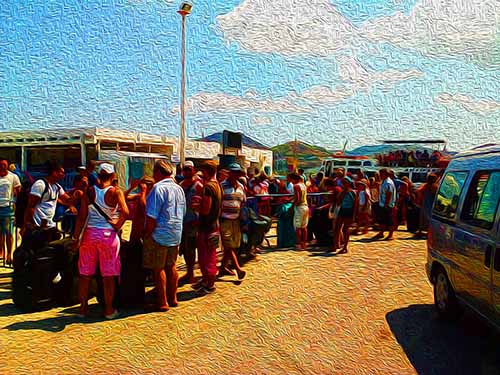
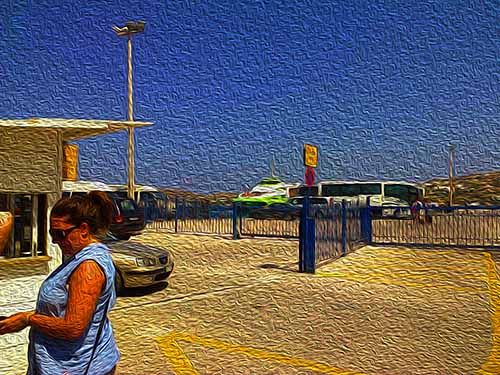
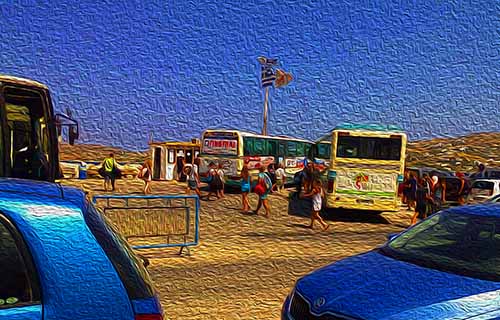
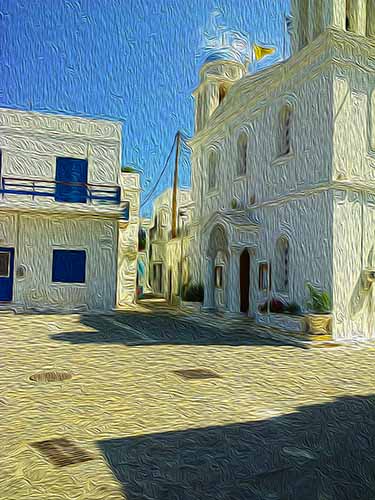
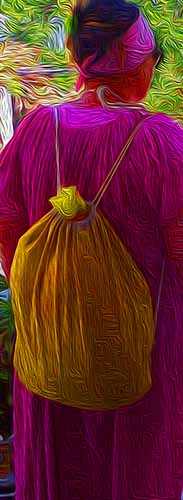
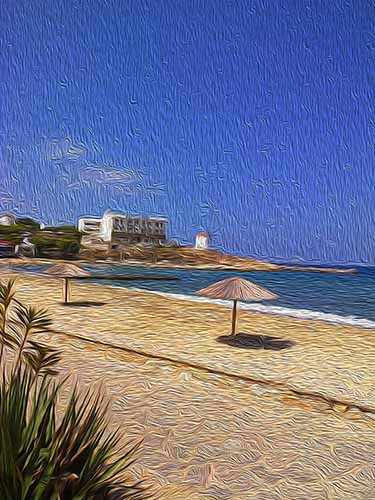
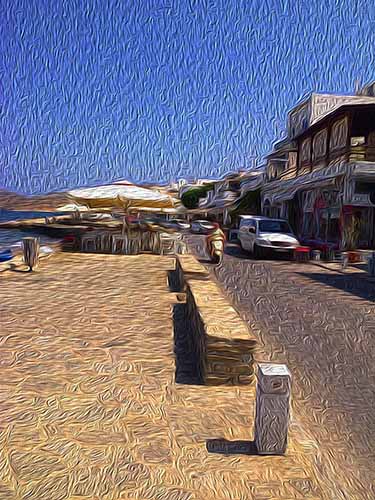
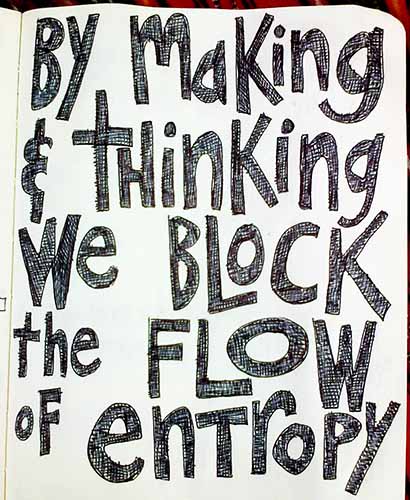
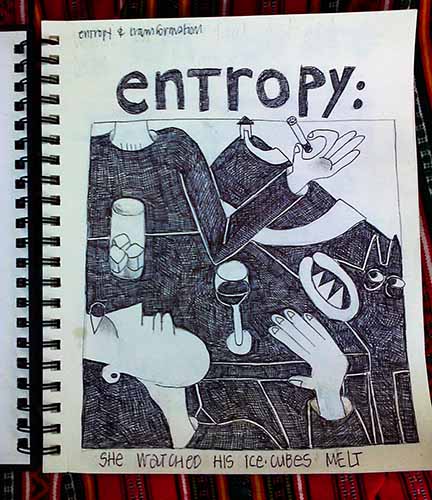

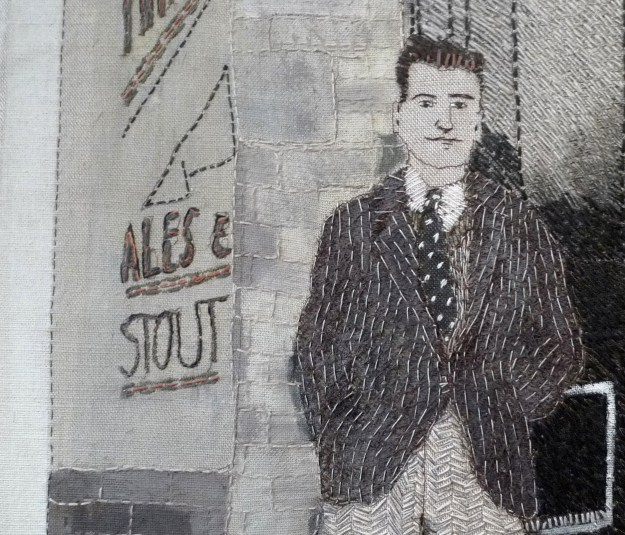

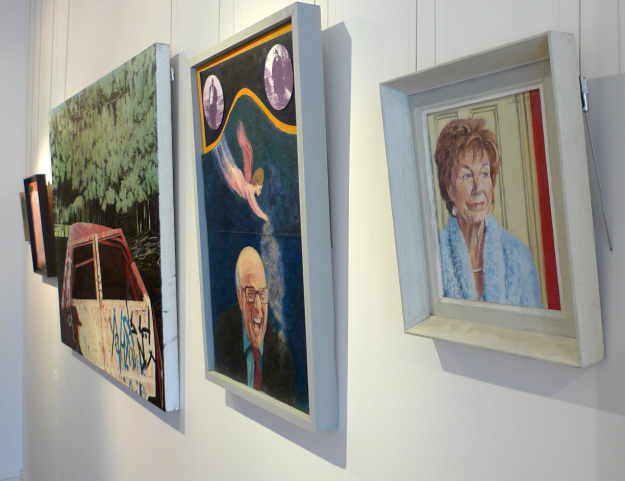 images of paintings by Steve Upton (left) and Alf Ludlam (centre and right)


 The Narrative Within