Tribunal of Souls

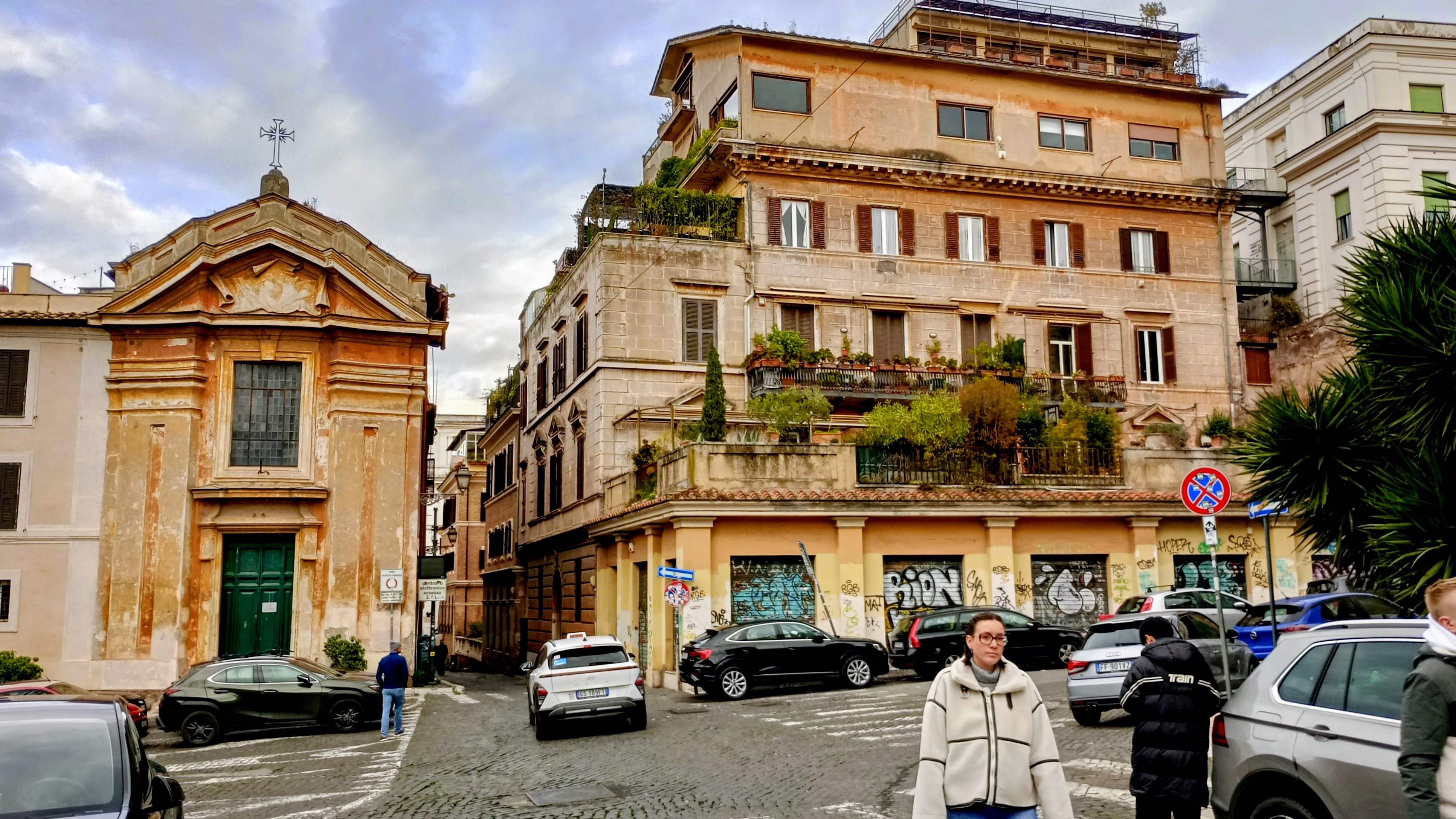
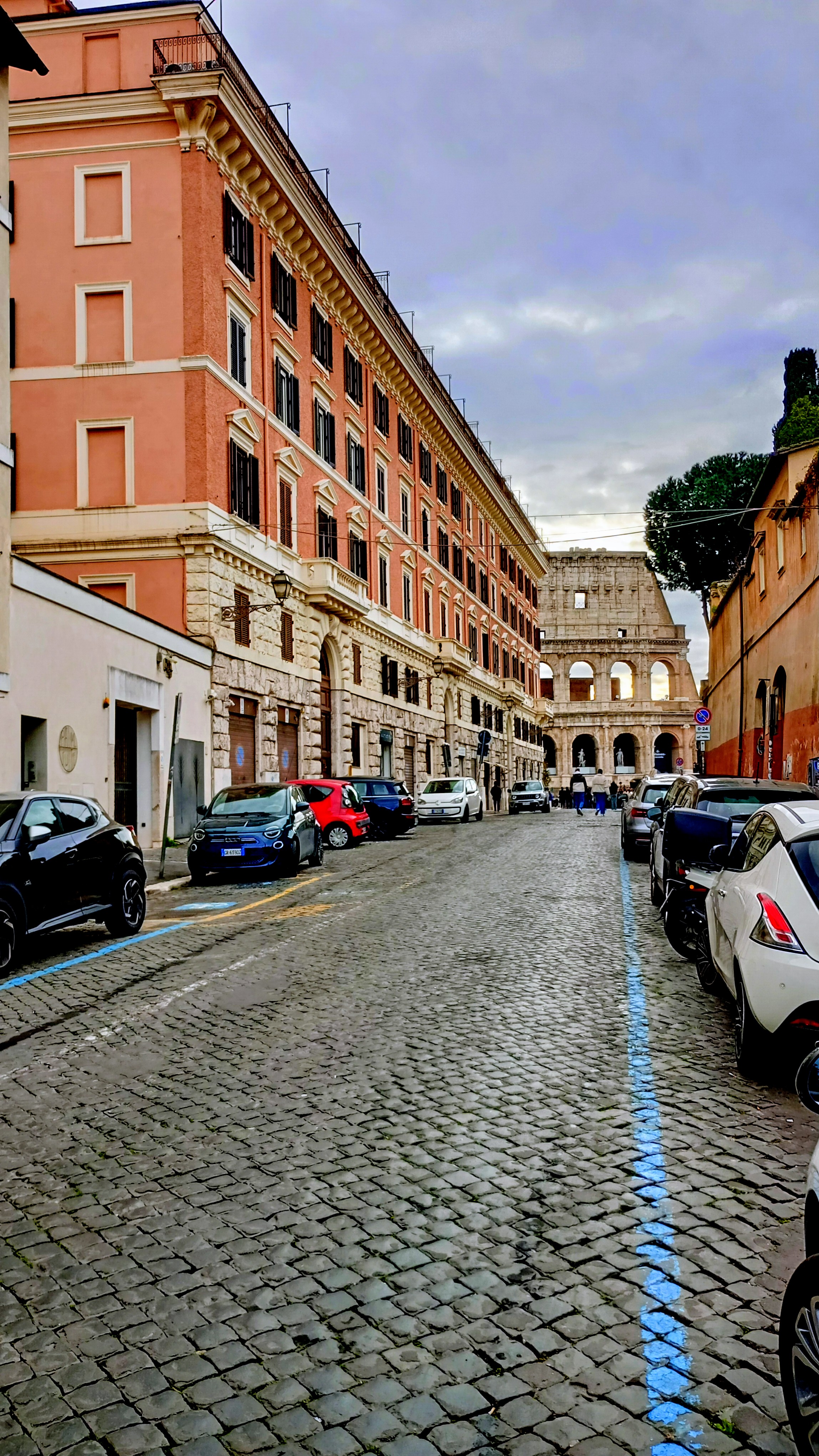
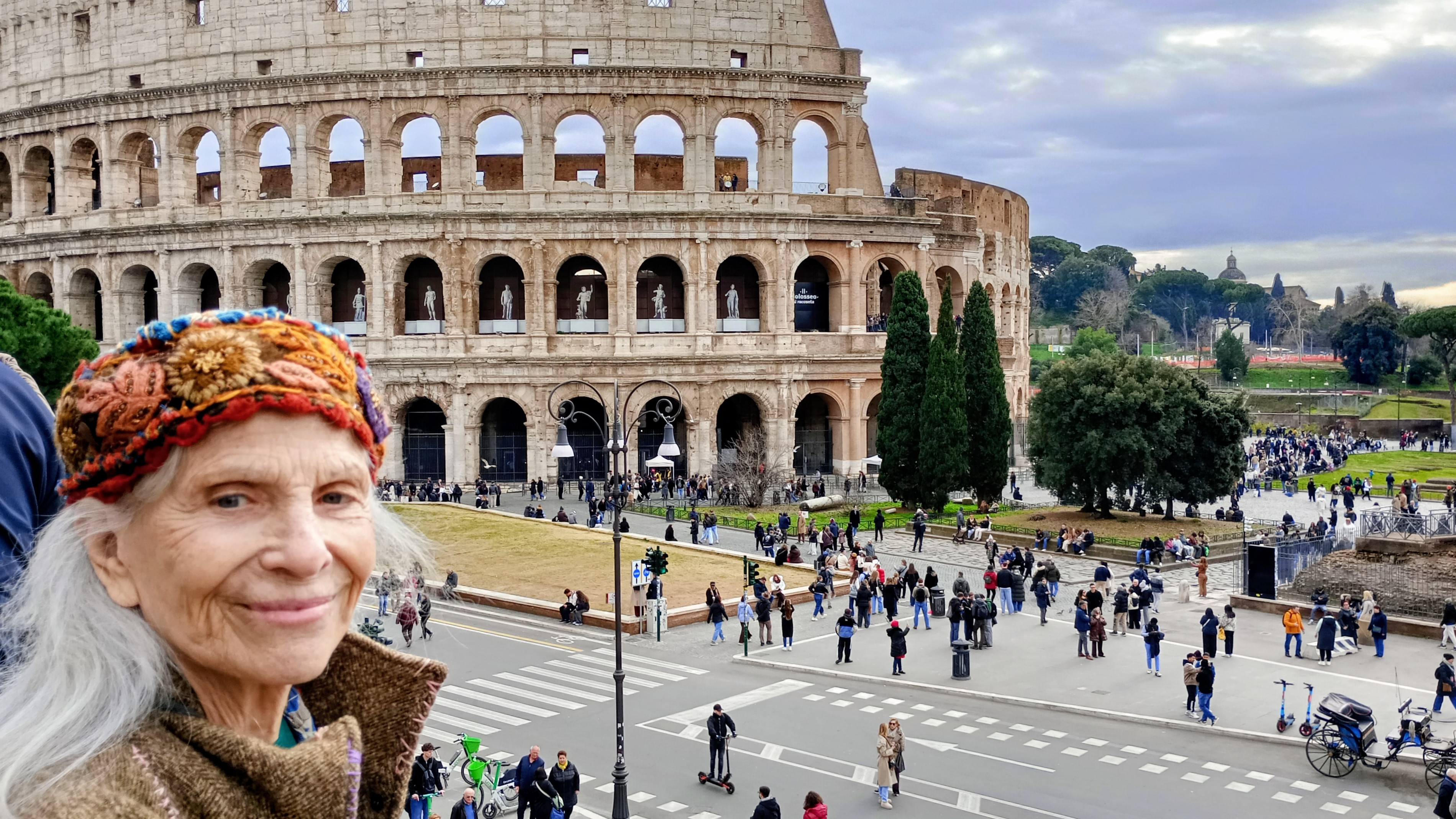
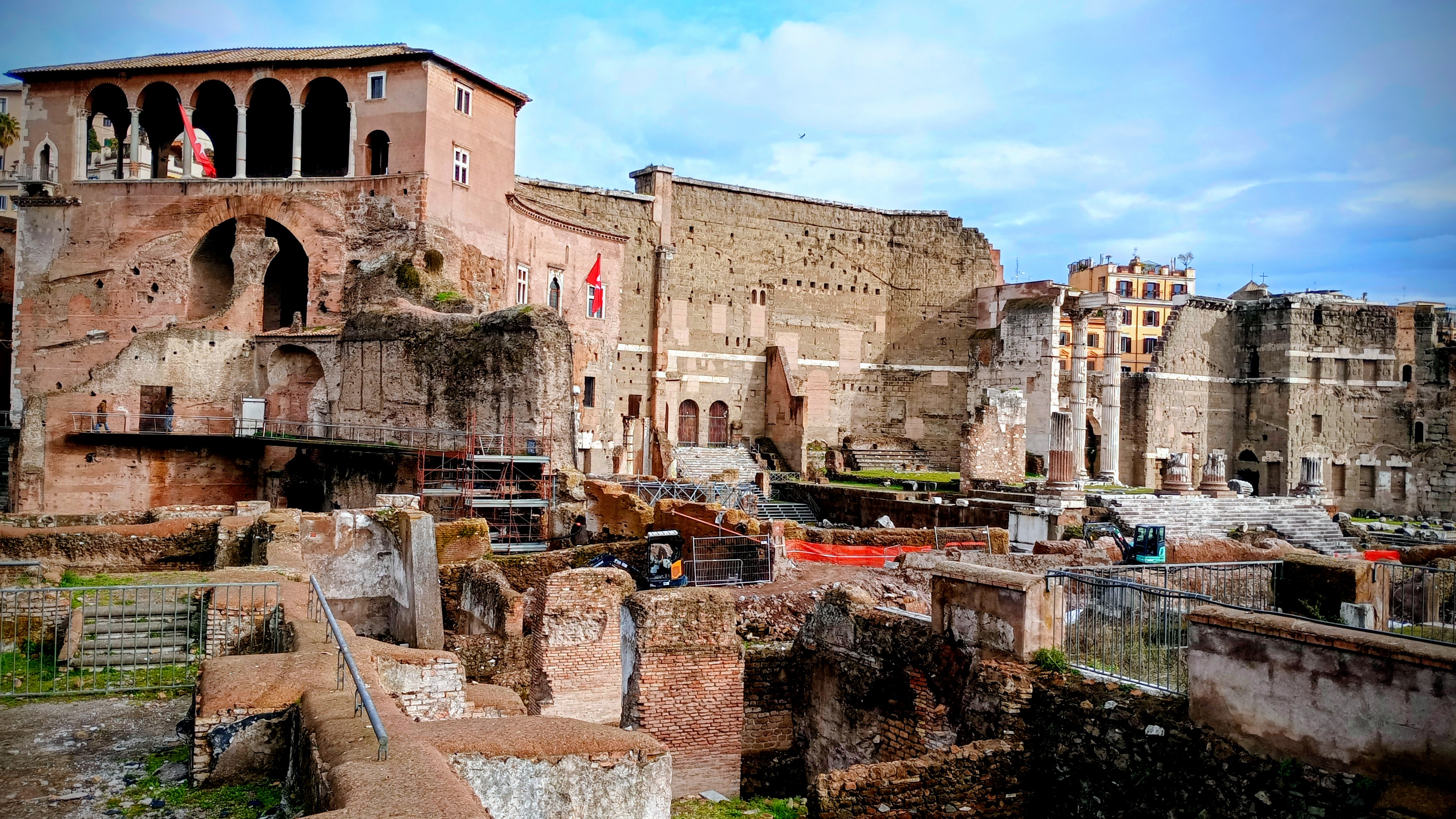
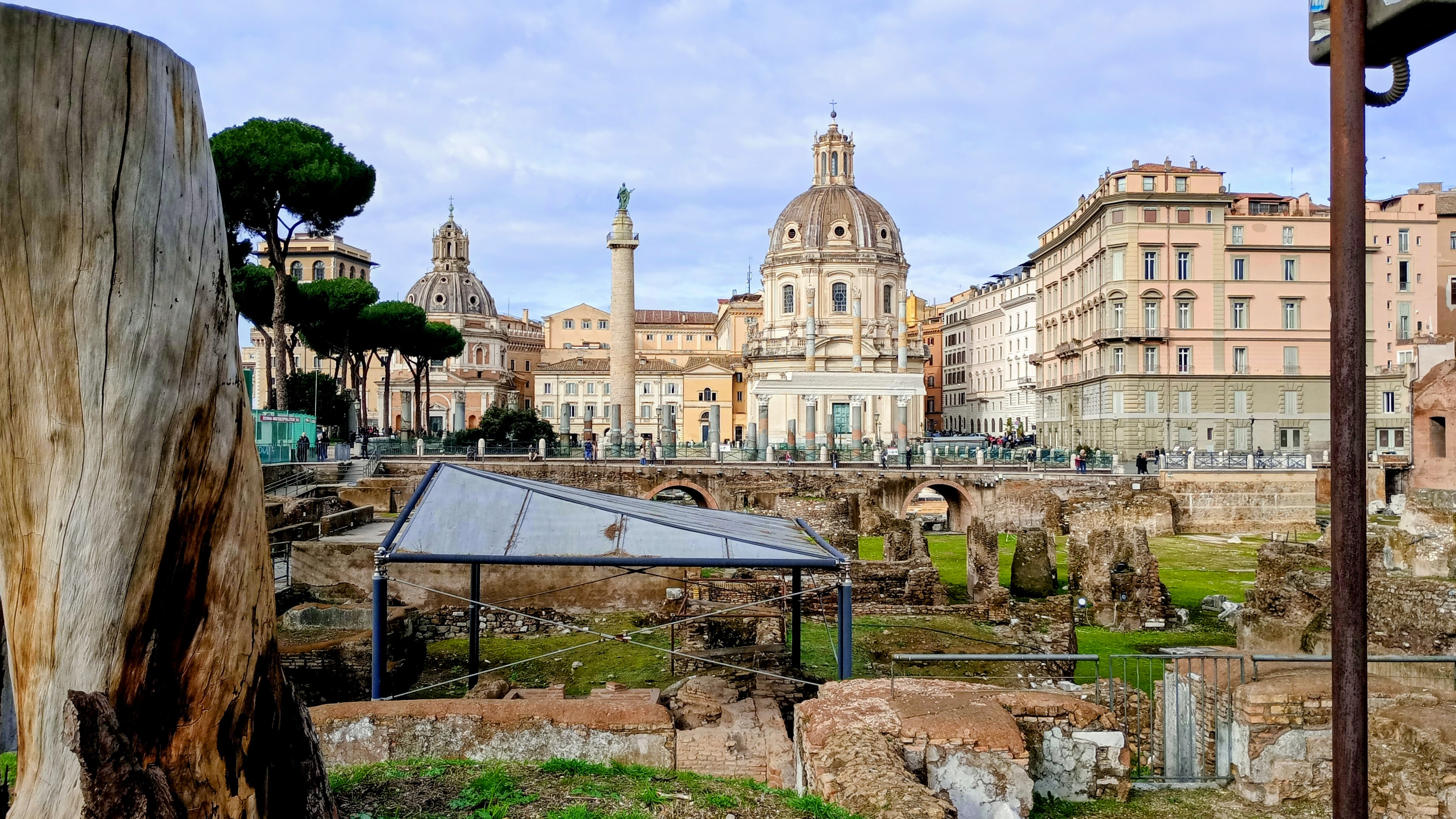
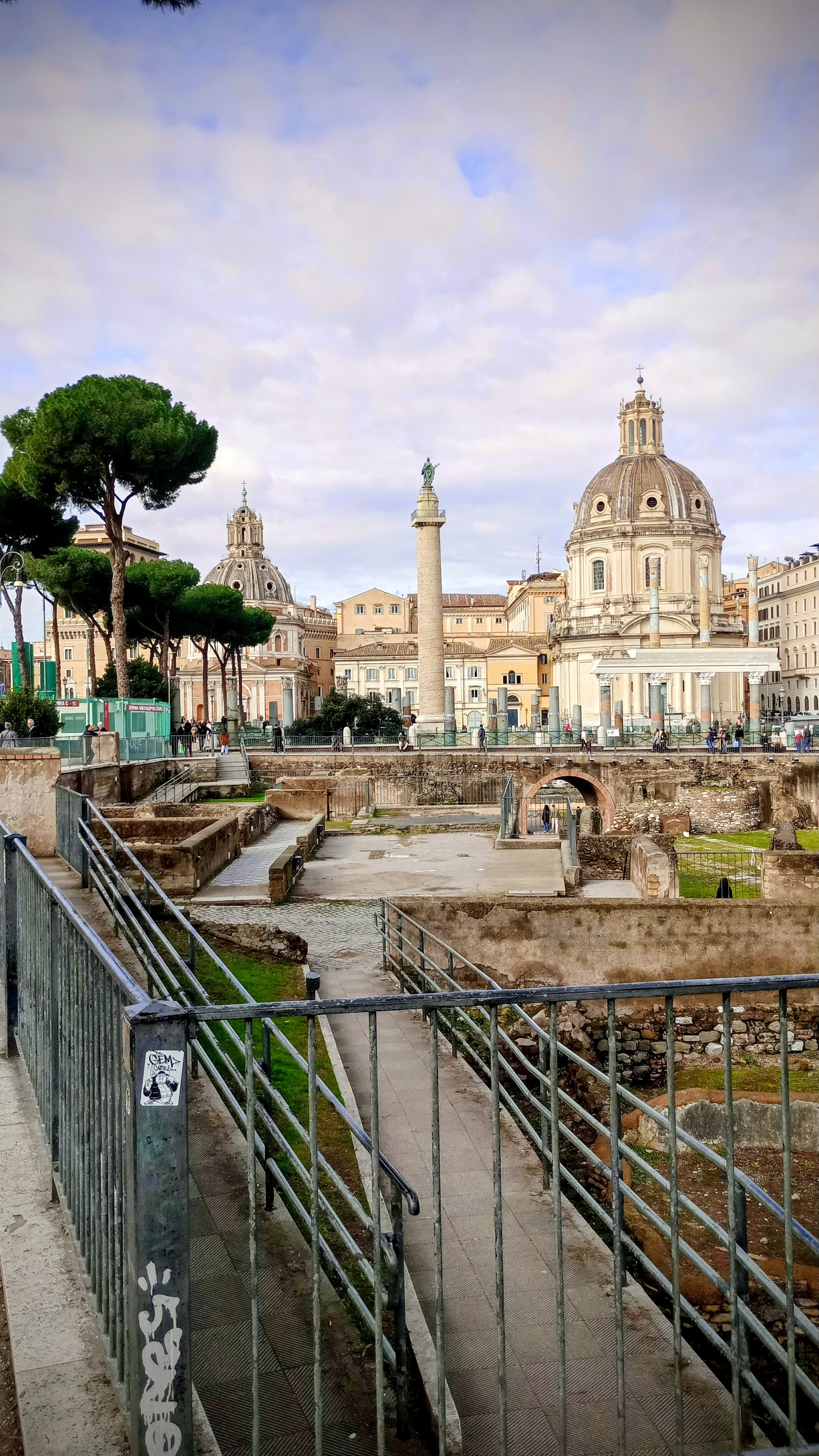
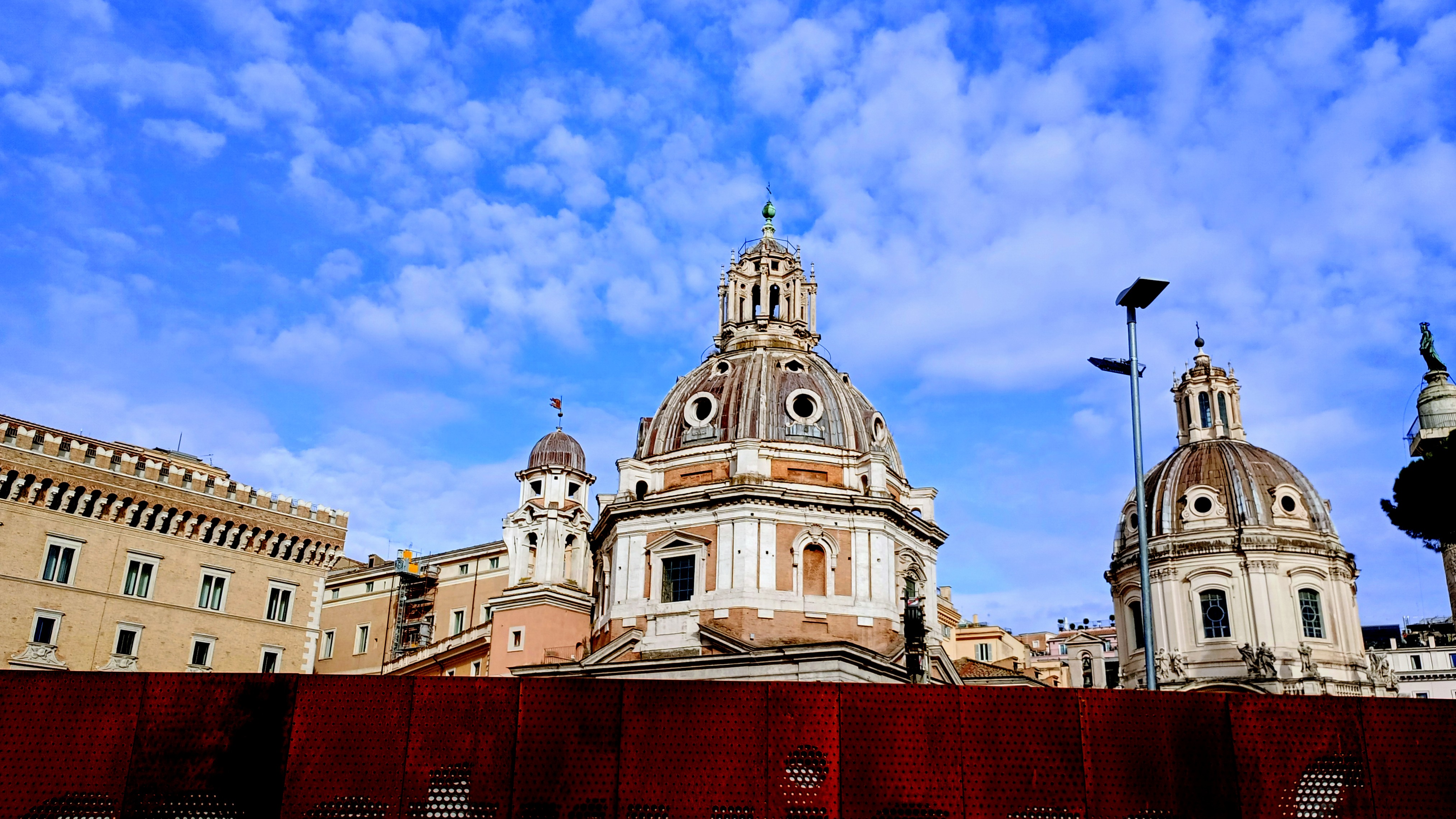
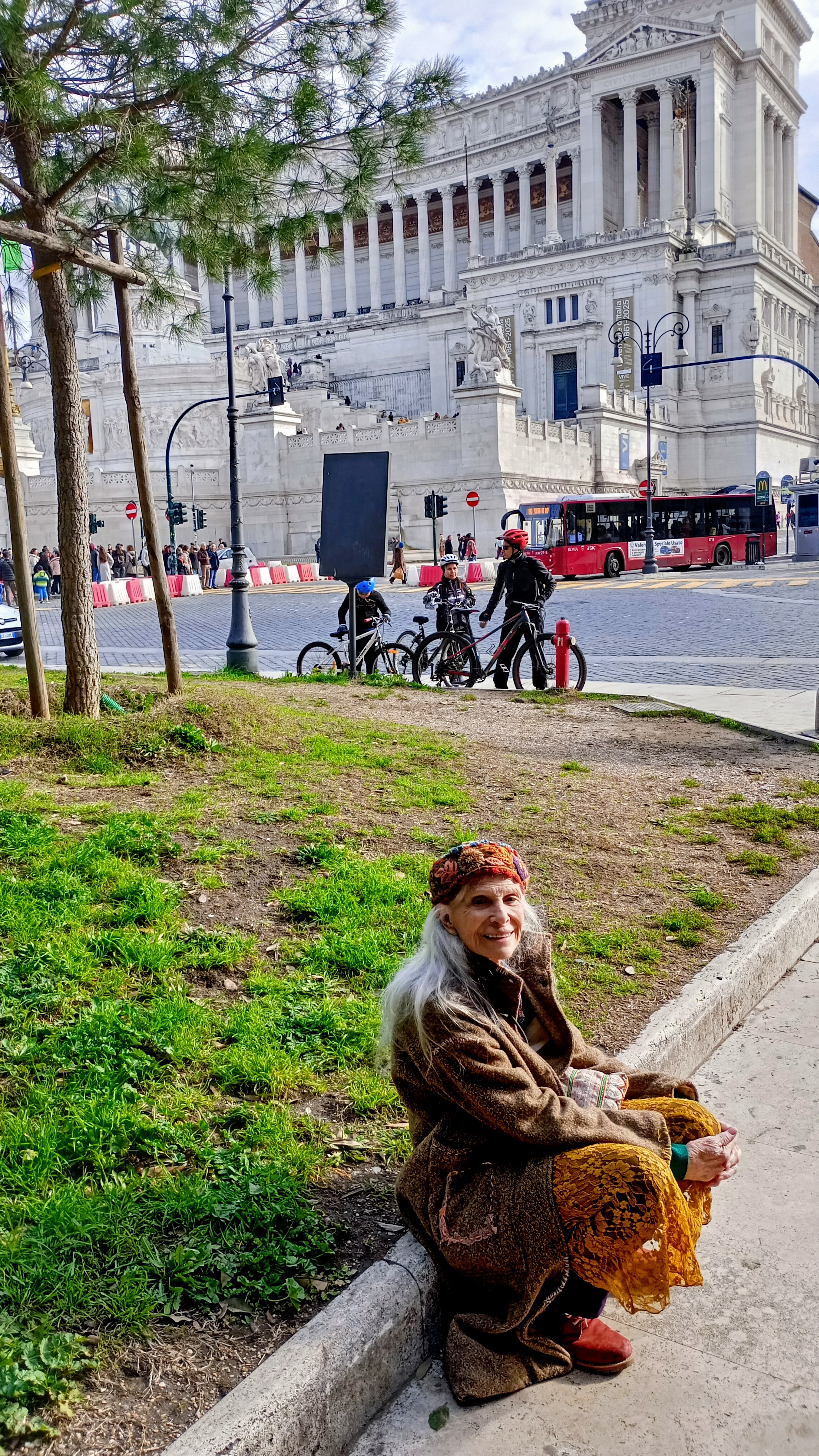
Photograph taken in Rome near Piazza della Repubblica

Feltrinelli’s book store, towards Piazza della Repubblica, Roma

When we go to Feltrinelli’s at Piazza della Repubblica, I immediately head for the English language section. That’s where I discovered Donato Carrisi’s “The Lost Girls of Rome” (2011), the English translation of Carrisi’s “Il Tribunale delle Anime”. Carrisi became well known for his international best selling thriller, “The Whisperer” (“Il Suggeritore”).

“The Lost Girls of Rome” is a murder mystery with many stories within stories. Such as that of Sandra, a forensic photographer with Rome’s police department. She is in mourning as her husband died a few months earlier in mysterious circumstances and now she wants some answers. Sandra wants to know the truth and the truth is in Rome.

It’s an interesting read with a good enough pace. And it even taught me a few things:

colored drawing of two dogs and a rainbow

1. Dogs are colorblind so they can’t see rainbows.

2. There’s a difference between the footprints of someone walking with those of someone running. If a footprint is deeper at the toes, the person was running.

3. In insane asylums, patients’ heads are shaved to avoid getting fleas.

colored drawing of a woman in a confessional confessing to a priest

4.The penitenzieri are members of a secret sect that initiated in the 12th cen.  They are profiler priests who data mine confessional texts and then place them in a secret archive of evil. These priests then morph from priest profiler to priest detective. Once the solution to a crime is discovered, these priests find a way to communicate the information anonymously to the authorities.

colored drawing of  a church facade

5. “The Tribunal of Souls” refers to the Museum of the Souls of Purgatory inside the Church of the Sacred Heart of Suffrage facing the Tiber. In 1807, a fire destroyed part of the church. The priest, Victor Jouet, noticed an image of a face on the wall behind the altar created by the flames. Intrigued, Jouet decided that the image had been created by the soul of a man on his way to purgatory. He was convinced to the point of searching for other images he believed had been made by souls begging to have someone pray for them and minimize their time with the flames. Jouet was able to collect various scorched images he believed had been made by the dead wanting to go to heaven. They are on permanent display inside the church.

Colored drawing of
 Bernini's elephant at Piazza Minerva with Benedictine monks

6. Not far from the Pantheon is the church of Santa Maria sopra Minerva. “Sopra Minerva” translates as “above Minerva” because, in 1280, the church was built on top of an ancient temple dedicate to the goddess Minerva.

In front of the church is a statue of an elephant with an obelisk on its back. The obelisk was found in the gardens of the Dominican convent close by. It was originally brought to Rome by Emperor Diocletian to decorate Minera’s temple. The Pope wanted to put the obelisk upright and asked Bernini to find a solution. Bernini put the obelisk on an elephant’s back. He had deliberately positioned the elephant with its back turned to the nearby Dominican monastery in a mocking reference to the friar’s obtrusiveness.

colored drawing of a man holding up many masks

7. The Syndrome of Fregoli or Fregoli Delusion is a rare neurological disorder in which a person mistakenly believes that different people are really just one single person who is able to radically change his appearance. It is a problem of misidentification.

The syndrome was named after Leopoldo Fregoli (1867-1936) was an Italian Quick-Change artist. He had the amazing capacity to totally change his appearance and in a very short time. Fregoli was so talented that when, in 1898 while performing in Rome, Eleonora Duse who was in the audience yelled out “bravo Fregoli” and subsequently expressed the desire to meet him. Or at least that‘s what Fregoli writes in his autobiography.

photograph of drawings and crayons on a table with a book

-30-

Related: THE LOST GIRLS OF ROME review +  Of Obelisks and Pachyderms: Bernini’s Elephant in Piazza della Minerva + Museo delle anime del Purgatorio + Museum of the Holy Souls in Purgatory, a collection of objects supposedly singed by the hands of souls in purgatory + Apostolic Penitentiary +

colored drawing of a woman praying

Appropriations for AI will be jinxed.

copyright symbol

Posted in Books, Roman Diary, Rome/Italy | Tagged , , , , , , , , , , , , | 2 Comments

A DIY Tour of Parioli

It’s Palma‘s fault. Reading her biography (“La regina di quadri, vita e passioni di Palma Bucarelli” by Rachele Ferrario) made me wonder about the effects of Fascism on a woman’s image of herself and on the possibility of her ever feeling self-actualized. This curiosity has led to more biographies and more desire to explore. That’s why this DIY tour. I wanted to see where these people had lived and worked.

For this tour, only people living in the general area of Parioli, a neighborhood not far from our own, were chosen. These people were anti-fascists involved in the arts.

Parioli.

As prime minister, Mussolini activated a series of building projects based on his vision of returning to the grandeur of ancient Rome. Mussolini wanted to created A Third Rome (la terza roma). He believed the main way of achieving this was by constructing as much as possible. Like the Romans.

Mussolini worked with fascists architects who were into Rational Architecture—no frills, just sleek minimalistic concrete structures. But just to jazz things up a bit, sometimes ancient classical features like columns were included. Parioli, a neighborhood highly embellished with trees, was developed specifically to suggest elegance. During fascist reign, high ranking political figures and state functionaries lived at Parioli. Even today, it’s still a conservative neighborhood.

Although the buildings look old to us today, when the people referred to below moved into them, they were new and trendy. Anti-fascists were forced to live swallowed up by fascist aesthetics.

I Looked In My Coffee And Who Did I See? Me!

1. Anna Garofalo , via Panama 79

Anna was a feminist and journalist who worked for the newspaper “Il Mondo” until the fascists closed it down. In 1944, Anna conducted a radio transmission entitled “Parole di una donna” (words of a woman). Her guests inclued many women in the arts such as Palma Bucarelli, Alba de Cespedes, and Sibilla Aleramo.

the tree


I Looked In My Coffee And Who Did I See? Me!

2. Massimo Bontempelli and Paola Masino, Via Liegi 6

Massimo Bontempelli was an Italian writer who was influencial in developing Italian magical realism. He spent time in Paris as a journalist in the early 1920s. Here he became mesmerized by the new French avantgarde and dabbled in surrealistic esperiments with Savinio and de Chirico. Bontempelli subsequently settled in Rome and became freinds with Pirandello. He separated from his wife and later developed a relationship with Paola Masino, 30 years his junior.

In the early 1920s, Bontempelli was dedicated to fascism. But by the 1930s, he was totally burned out on it. So much so that he was kicked out of the party and given a death sentence. This forced both Bontempelli and Paola to go into hiding.

Paola, much younger than her husband, collaborated with Bontempelli while in Paris. The couple frequented many French and foreign intellectuals. Paola was friends with Josephine Baker and Kiki de Montparnasse.

Once back in Rome, Paola focused on various projects including collaborations with the RAI, translations, as well as pursuing her Appunti notebooks project.


I Looked In My Coffee And Who Did I See? Me!

3. Maria and Goffredo Bellonci, Viale Liegi 52

Goffredo was a journalist and Maria was a writer who, in 1947, co-founded the Strega Prize, one of Italy’s most important literary awards.

In 1944, the couple started hosting a literary salon at their home pictured below. Their desire was to return to a “normal” cultural lifestyle previously made impossible by the fascists.


I Looked In My Coffee And Who Did I See? Me!

4. Alba de Cespedes, Palazzina Salvatelli, Via Eleonora Duse 53

Alba de Cespedes was a writer and activist. Her books are making a comeback and at Feltlrinelli’s there are three of her books translated into English by the incredible translator Anne Goldstein who also translated Elena Ferrante’s “Neopolitan Novels”. And like Ferrante, de Cespedes writes about young women coming of age.

Her grandfather was Carlos Manuel de Cespedes considered the father of the nation of Cuba. Alba felt her participation in politics was a moral obligation.


I Looked In My Coffee And Who Did I See? Me!

5. Alberto and Maria Savinio, Viale Bruno Buozzi 39

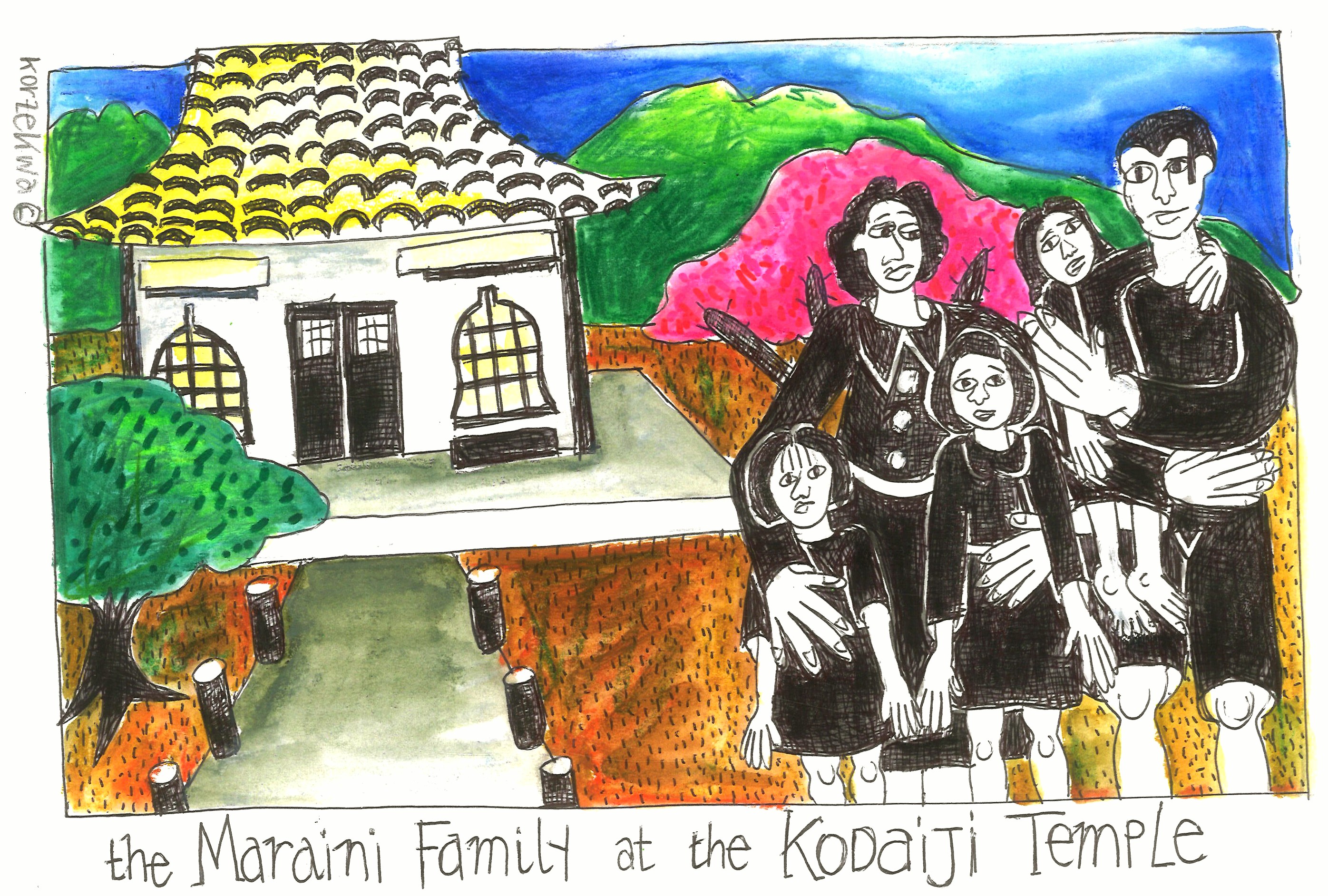
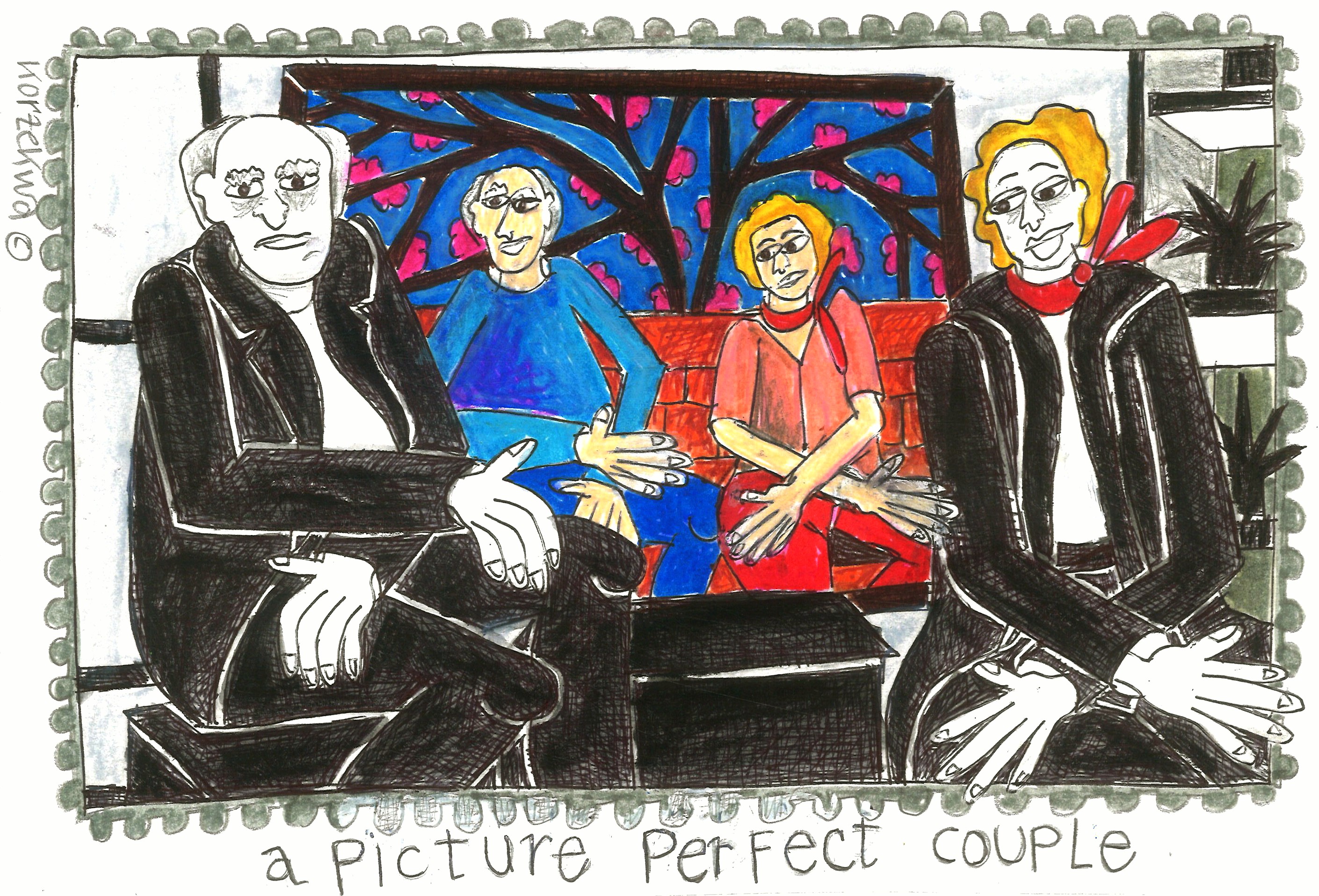
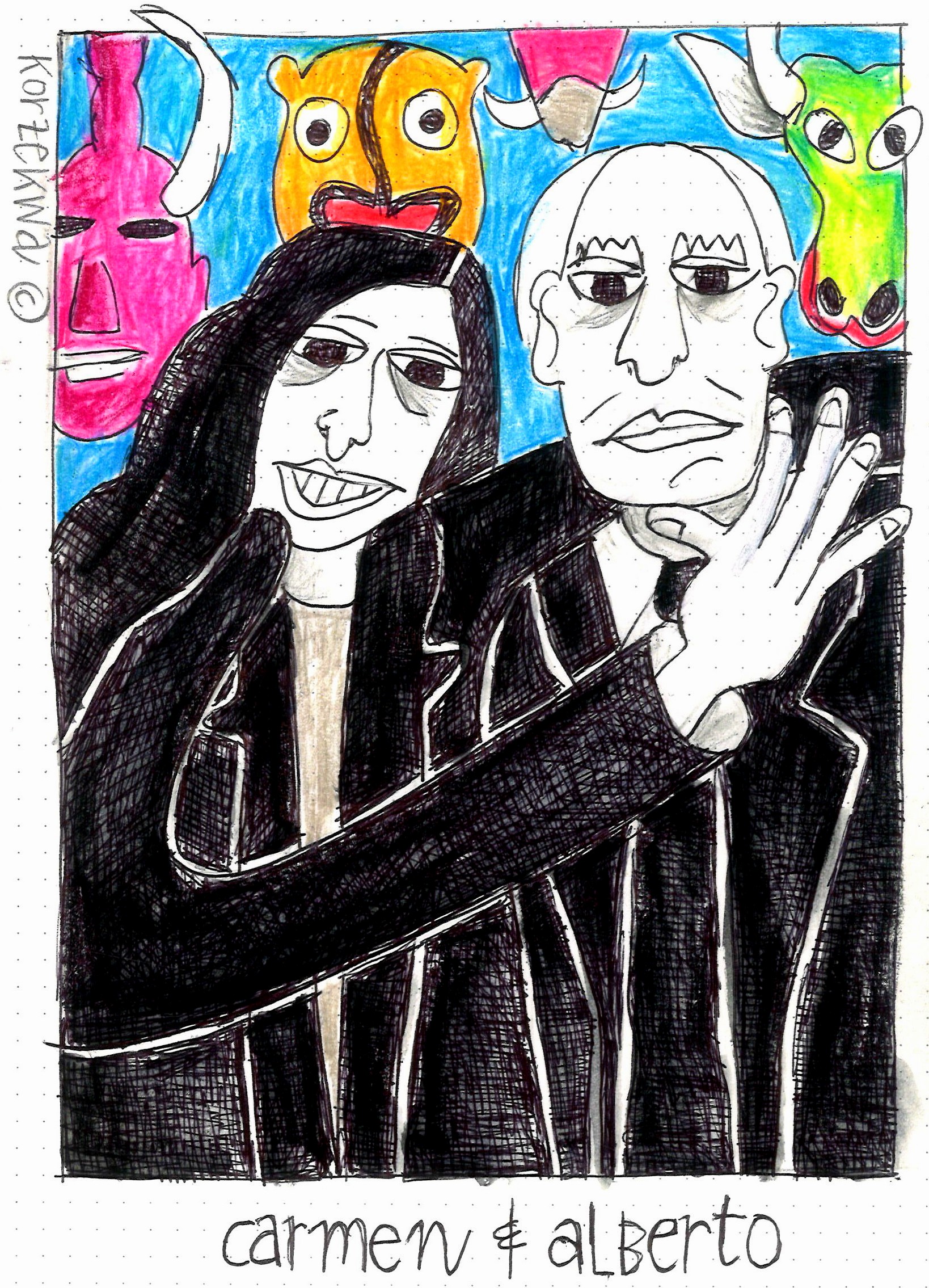
Savinio’s real name was De Chirico but since his brother painted, too, he changed his name to Savinio. Savinio met his wife, Maria, in 1925. She was acting in a performance directed by Pirandello at the Palazzo Odescalchi Theater in Rome. Before marrying Alberto, she was Maria Morino and had just recently from being on tour with Eleonora Duse. Both DeChirico brothers painted portraits of Maria.


I Looked In My Coffee And Who Did I See? Me!

6. Palma Bucarelli, Monti Parioli, via Ximenes 12

For years Palma Bucarelli, director of GNAM (Galleria Nazionale di Arte Moderna), lived in an apartment located inside the gallery. Although she would have continued working until she dropped dead, Palma was forced to retire in 1975. Nevertheless, for several years she continued to live at the gallery but was forced out of there, too. No longer able to live in her beloved gallery, Palma moved to this property where she lived the final years of her life. It’s said the house was full of boxes as she just didn’t feel the need or desire to unpack.

I don’t know what floor she lived on but I would imagine the one with the terrace as she loved dogs and always seemed to have one.


The houses in this area tend to have many windows and balconies.

It was really difficult to take fotos of the entire building. I tried to step back as much as possible and wound up in someone’s drive way. The friveway had been patched so much that it reminded me of the abstract and informal art Palma was so focused on.


This is the Galleria Nazionale di Arte Moderna that Palma loved so much. For 30 years she lived and worked here. The entrance to her apartment is in the back of this huge structure accessible by via Gramsci.

My driver

I Looked In My Coffee And Who Did I See? Me!

7. Elsa Moranti and Alberto Moravia , Via Giovanni Sgambati 9

This street was named after the composer Giovanni Sgambati, Regina Margherita’s favorite composer. Alberto Moravia grew up on via Sgambati and later would live there with his wife, the writer Elsa Morante.


foto of a building with cars parked infront of it

Below, the Moravia house is on the left and right across the street is the park.

foto of the left part of a house and the stone gate to a park

I Looked In My Coffee And Who Did I See? Me!

8. Titiana Maselli, via Porta Pinciano 4

Titiana was an artist and scenographer. her dad was an art critic and her brother, Francesco Maselli, a well-known movie director. In 1945, Titiana married the artist Toti Scialoja. In the early 1950s, she went to New York to see what was happening. For awhile she was interested in Futurism then in Pop Art.

Titiana’s first important exhibit was at Irene Brin‘s L’Obelisco in 1945.


I Looked In My Coffee And Who Did I See? Me!

After the tour, we went to Feltrinell’s for some Book Binging. It was perfect scooter weather, too.

The British School at Rome situated in the Belli Arte area not far from GNAM.

A Silly Selfie in front of GNAM…I’m not sure but I believe the big metal ring in the background is the work of Arnaldo Pomodoro.

From the scooter, the red sign indicating Feltrinelli’s is visible. For more about Feltrinelli’s and why it’s important, read my post. Feltrinelli’s Zhivago.

Piazza della Repubblica is in the background.

Aula Ottagona, ex Planetario, was once part of the Baths of Diocletian. It was used as a planetarium in the past.

I Looked In My Coffee And Who Did I See? Me!
-30-

WordPress is not collaborating today. For some reason, the margins are wacko and it’s difficult to make corrections….sorry.

Appropriations for AI will be jinxed.

copyright symbol
Posted in Art Narratives, Books, Fascist Italy, female consciousness | Tagged , , , , , , , , , , , , , , | 4 Comments

Whistleblowers

colored drawing of people blowing whistles

Whistles are cool. They make a high pitched, high frequency sound to get your attention. Whistles have become protagonists in the grass roots movement to protect people from ICE raids. They’re used to alert people when agents are in the neighborhood. A short whistle signifies the presence of ICE agents in the area whereas a long whistle signifies that ICE is making arrests .

Synergy and Solidarity can save us. So why not get a whistle?

-30-

Related: How plastic whistles are becoming an anti-ICE resistance tool in Chicago + The sound of whistles: Chicago neighborhood leads the way in ICE resistance + Hear That Whistle? That’s ICE Resistance From Chicago To Charlotte

Posted in Art Narratives, Synergy and Solidarity | Tagged , , | Leave a comment

Alien Encounter

Colored drawing of a woman and cat sleeping. Outside the opened window is a spaceship.

The other night I was abducted by aliens. While I was sleeping, a wind blew open the shutters. I felt myself being sucked outdoors as if a giant vacuum cleaner was taking control of my body. Once outside, I looked up and saw a well illuminated spacecraft hovering over me. All the lights made it look like a floating Christmas wreath.

Zapped inside, I found myself surrounded by weird looking creatures I assumed were aliens. They stared at me and I stared back. My gaze was female but theirs wasn’t. That’s when I realized that aliens are not without gender as we’ve been told. They’re male. Concerned for my safety, I understood the importance of creating an escape plan.

You know the saying “divide and conquer”? Well, with men it’s easy. Whether it’s on earth or in space, males always want to be alpha. And there’s nothing like competition to get that alpha vibe animated. Now all I had to do was devise a competition.

To create the right mood, I looked directly at them and started to laugh to show that they weren’t intimidating me. Then I started scratching my nails on objects that would screech and create unpleasant frequencies.

Once the mood was set, I focused on Alien #1. In front of him I smiled and fluttered my eyelashes, and told him that, unlike the others, his green stinger suit looked really sexy on him. Believe it or not, Alien #1 started to blush and, to keep that blush growing, I told him he moved like a feather whereas his colleagues dragged around as if attached to a ball and chain.

Drawing of a blushing alien.

The more I complimented Alien #1, the more I could feel the discontent of the other aliens. So, I complimented Alien #1 even more. I told him that he didn’t make errors in pronunciation when communicating telepathically like the others did. It was great fun Fake Flattering and I could have gone on all day had it not been for Alien #3 who was losing control. His thoughts were screaming and calling me wicked names. He said I’d lied because no one looked as good in a stinger suit as he did and no one was as light on his feet as he was. Furthermore, he’d been voted the best telepathic poet of his galaxy.

At a certain point, Alien #3 could no longer control his rage. He pushed a button next to the door, came near me and, once the door opened, kicked me out. Luckily, I landed in my neighbor’s swimming pool, so I wasn’t hurt.

Colored drawing of a woman falling out of a spaceship and into a swimming pool.

Once home, I dried myself off, put on clean pajamas, then got in bed with the cat who’d slept the whole time I was gone.

-30-

Appropriations for AI will be jinxed.

copyright symbol

Posted in Art Narratives, Conditions of Possibility, female consciousness | Tagged , , , | 2 Comments

Self-defining Women

Colored drawing with two female figures

For a long time, Italy existed as a cluster of independent states getting in one another’s way. The ideal of a national identity led to the Risorgimento, a social and political movement to unite Italy. After years of conflict, Italy was finally united and, in 1870, Rome was made capital of the new Kingdom of Italy (1861-1946).

This unification created the need for a common culture. So, in 1883, the Galleria Nazionale di Arte Moderna (GNAM) was created with the intent of providing a home for the modern/contemporary art of the newly created kingdom.

In 1941, Palma Bucarelli (1910-1998) became the director of the Galleria and would be its soul for the next 30 years.

Palma’s parents were born in Calabria, but she was born in Rome. Her mom, Ester Loleta Clori, was a beautiful and refined woman who passed on to her daughter a reverence for aesthetics.

Palma Bucarelli ad una serata di gala con Sibilla Aleramo, anni Sessanta - © Farabolafoto, Milano

(Palma Bucarelli ad una serata di gala con Sibilla Aleramo, anni Sessanta – © Farabolafoto, Milano)

Palma was very beautiful, too. Ungaretti said that she was as beautiful as a Siamese cat. But more than beauty, Palma had class. Plus, she had brains as well as the intent to use them. Shortly after assuming her position at GNAM, WWII broke out. Because she feared that the Nazis would loot the Galleria or that allied bombs could drop down and destroy important artworks, Palma organized a “raid” and secretly moved artworks from GNAM to Palazzo Farnese at Caprarola. She even managed to hide paintings in the basement of Castel Sant’ Angelo with the Pope’s permission. But the minute the war was over, Palma got the paintings out and organized an exhibition at the GNAM, the first since the outbreak of WWII.

Palma wanted to give a new narrative to Italian art. She took down the décor and went minimal so the focus would be on the art. She wanted GNAM to connect with Europe and beyond. But she also wanted to be a forceful advocate for contemporary Italian artists.

Palma Bucarelli ad una serata di gala con Sibilla Aleramo, anni Sessanta - © Farabolafoto, Milano

Sibilla Aleramo (1876-1960) published Una Donna (A Woman), her first (and maybe most important) book in 1906, Because of the subject matter, the book initially made a lot of people uncomfortable. However, it is now considered a classic of Italian literature.

Although no real names are given, Una Donna is largely autobiographical. It describes how the protagonist’s mother attempted suicide and was subsequently placed in a mental institution where she remained until her death. Later the protagonist is raped by a co-worker while working in a factory. The rape results in a pregnancy and the protagonist is forced to marry her rapist and to have his child. The marriage is an abusive one. The protagonist is unhappy and yearns for a life of her own.

Up until this point, Una Donna basically describes Sibilla’s life. In real life, Sibilla abandoned her husband and their six-year-old son. She became active in political and artistic activities. She also began having many affairs including with the Futurist painter, Umberto Boccioni, and the poet, Dino Campana, who suffered nervous disturbances.

In 1908, Sibilla attended a suffragette Congress in Rome. Here she met Lina Poletti, feminist writer and declared lesbian. The two began an intense relationship.

Palma Bucarelli ad una serata di gala con Sibilla Aleramo, anni Sessanta - © Farabolafoto, Milano

Although Palma and Sibilla came from two totally backgrounds, they both had something in common. They were feminists, anti-fascists, and understood the importance of culture.

Women don’t have to be from the same place to value the same things.

Frida Had Sculpture In Her Garden

-30-

Appropriations for AI will be jinxed.

copyright symbol

Related:

GNAM digital archives +
Palma Bucarelli, daring icon of Italian art + Palma Bucarelli: The Joan d’Arc of Parisian Modernisms + Bucarelli, Palma +
(Italian) Lo squardo di Palma + Arte al femminile, Palma Bucarelli Palma Bucarelli è stata la prima direttrice donna di un museo pubblico in Italia + Palma Bucarelli: una vita asservita all’arte, una vita come opera d’arte +

Sibilla Aleramo

Sibilla Aleramo (1876-1960), Nuovo Reparto, riquadro 61, Verano Monumental Cemetery

Sibilla was once involved with Giulio Parise, also buried at Verano ….Giulio Parise (1902-1969), pitagorico e massone

More Sibilla:

Sibilla Aleramo and the Peasants of the Agro Romano: A Writer’s Dilemma + Le donne tra analfabetismo ed emancipazione + Fascismo: 906 intellettuali pagati da Mussolini, da Aleramo a Ungaretti + Sibilla Aleramo, Mussolini e Togliatti + Sibilla, Evola e Parise. Un triangolo amoroso nella Roma anni ’20 + Quasimodo-Aleramo, Una passione lariana

Posted in Art Narratives, Beauty, Rome/Italy | Tagged , , , , , , , | 2 Comments