Living on the Edge

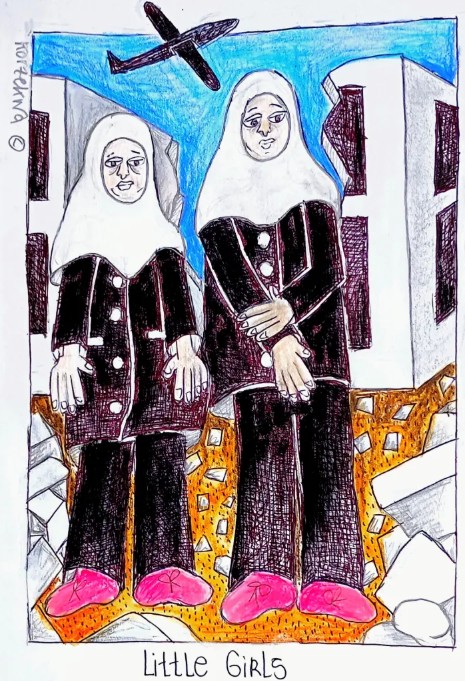
a drawing of houses on a cliff that are falling off

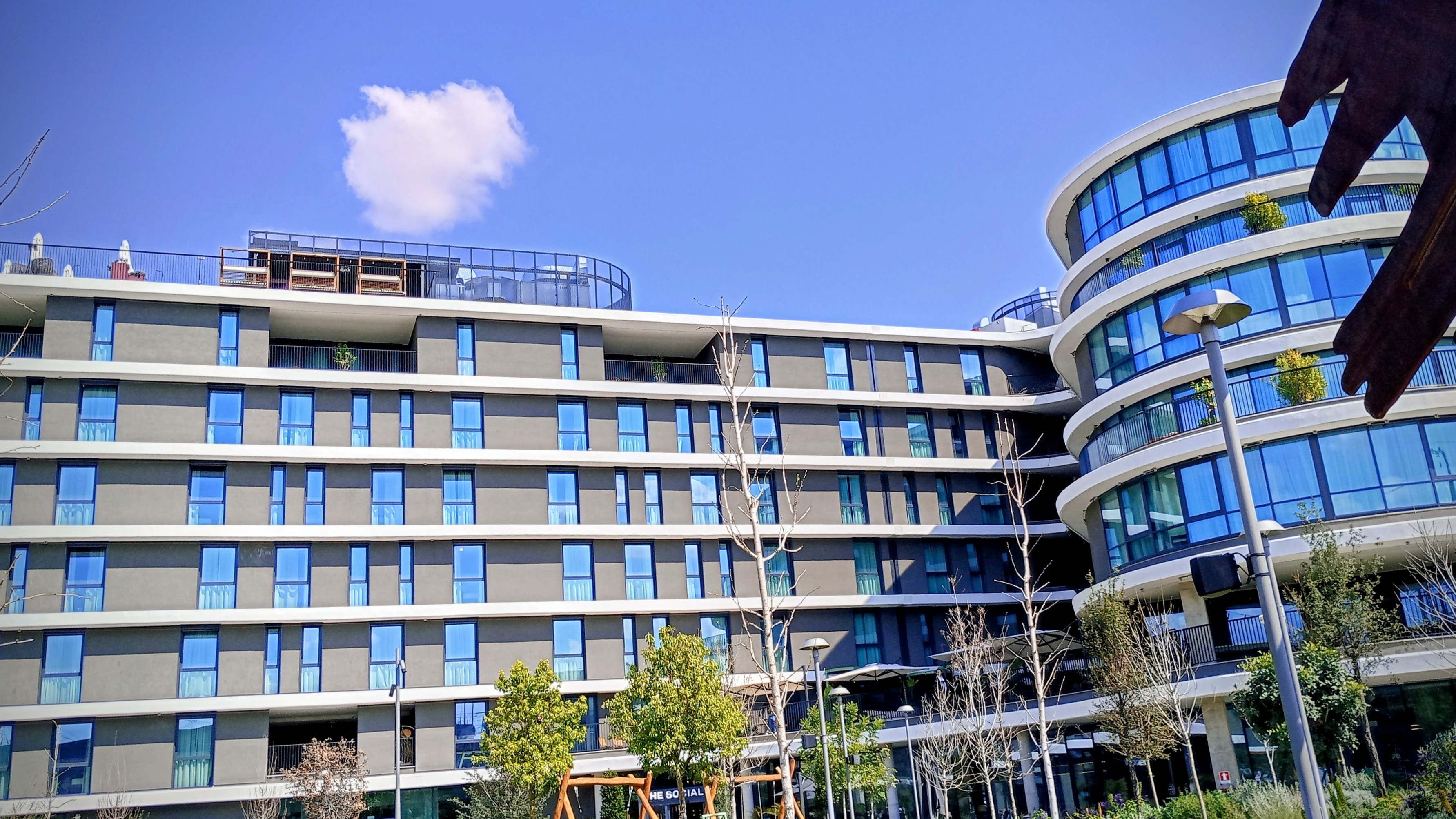
On January 25, the Sicilian town of Niscemi found its inhabitants forced to evacuate their homes after a massive landslide. Can you imagine what it’s like to see your home sliding down a hill and turning into rubble?

The landslide, it’s said, was caused by the heavy rainfall provoked by Storm Harry. Also, according to Italy’s Civil Protection, one large landslide reactivated an old fault line creating an even bigger disaster.

The area of Niscemi is a geographically unstable terrain already suffering from erosion. Luckily, after seeing large cracks in the ground appear in residential areas, the mayor ordered an evacuation that saved many lives.

Every day, worldwide, we see disasters caused by deteriorating infrastructures and sloppy, negligent attitudes towards monitoring safety precautions. Just recently, in Switzerland, a fire started in a bar in Crans Montana killing 40 people and injuring many many others. Or, in Texas on the other side of the Atlantic, c 135 people died including numerous children at Camp Mystic when the Guadalupe flooded last year.

After a disaster, fingers are always pointed everywhere save towards the real cause. Because we know that these disasters are often provoked by thinking that it’s better to save money than to save lives.

Prevention is sometimes the best solution.

tiny drawing of a cracked pot

-30-

copyright symbol

Appropriations for AI will be jinxed.

Related:

Harrowing Footage Shows Italian Town Hanging at Edge of Cliff After Massive Landslide: WATCH +

Central Texas floods of 2025 +

Posted in Conditions of Possibility, Ecofeminism, politics | Tagged , , , , , | Leave a comment

Gadda’s Mess part II

Part II of Gadda’s Mess

How did Mussolini’s fascist regime influence one’s sense of self? And did Gadda ever earn his own approval? Sometimes we are so worried about what others think that we neglect our own thoughts.

In 1968, Dacia Maraini, author and, at the time, Alberto Moravia’s girlfriend, interviewed Carlo Emilio Gadda. The interview was part of a series of interviews with well-known personalities such as Maria Callas, De Chirico, Rossellini, Natalia Ginzburg. The resulting publication was entitled “E tu chi eri?” (And Who Were You) The leitmotif was childhood and its influence on one’s adult life.

Gadda tells Dacia that he didn’t realize the dangers of fascism until 1934 with the war in Ethiopia. However, those critics who’ve carefully studied Gadda say he was a “convento fascista” (convinced fascist) and it was only after Mussolini’s fall that Gadda attempted to distance himself from something he once so openly sustained.  But Gadda was just like so many other pro-fascists who negated on themselves after Mussolini’s defeat.

Misgivings sometimes come too late.

Dacia Maraini, a Scorpio, was born in 1936 in Tuscany. She was the daughter of the Sicilian princess, Topazo Alliata, and of the ethnologist Fosco Maraini. In 1941, Fosco Maraini obtained a position teaching at Kyoto University in Japan. He went to Japan with his family—wife and three kids including Dacia who was only seven at the time. In 1943, the entire family was deported to a concentration camp because they refused to sign allegiance to the Republic of Salò, a German puppet state created after the German invasion of Italy. Luckily, the entire family returned to Rome in 1946.

Back in Italy, Dacia’s parents split but both stayed in Rome. Momma Topazia opened an art gallery in Trastevere and dad remarried. In Rome, Dacia became serious about writing. A favorite theme was that concerning womanhood. She wanted to expose the effect that an abuse of power had on women and how the society (esp a fascist one) tried to seclude and isolate women. She wrote that a woman’s “pre-feminist stage is characterized by a sense of alienation, total disorientation and the need for self-assertation through sexuality.”

In 1962, 26-year-old Dacia met Alberto Moravia, 29 years her senior. She had written her first novel and needed a well-known author to write the preface. Although Moravia was still legally married to Elsa Morante, the couple had split years before and, at that time, Elsa was involved in a strange relationship with film director Luchino Visconti. Dacia and Moravia were together for almost 20 years but now had exhausted their enthusiasm for one another. After Elsa Morante’s death, Moravia was free to marry again. And he did. He married Carmen Llera, 46 years younger than him. They married in 1986, the year following Elsa’s death. Moravia died four years later.

In one interview, Dacia refers to Moravia as the first “esistenzialista europeo” and that he knew how to look at reality without any ideological explanation.

Dacia said that despite Moravia’ grumpy face, he really had a sunny personality. And, as a writer, Dacia learned from Moravia the importance of intellectual honesty.

Moravia and Gadda, two literary heavyweights in Italy, got into a big dispute over Alessandro Manzoni (1785-1873) and the interpretation of Manzoni’s “I promessi sposi” (The Betrothed).

Because every defense of humanism is a defense of literature, says Moravia, literature has a profoundly humanistic nature. But Gadda saw Manzoni in a different way. Manzoni, for him, was a way of interpreting the world. As there exists a kind of rivalry between Milano and Rome, maybe part of this dispute was really all about that. About the difference in the ways of thinking. As Gadda, like Manzoni, was from Lombardy, it was only obvious to him that he could understand Manzoni better than Moravia, a Roman, could.

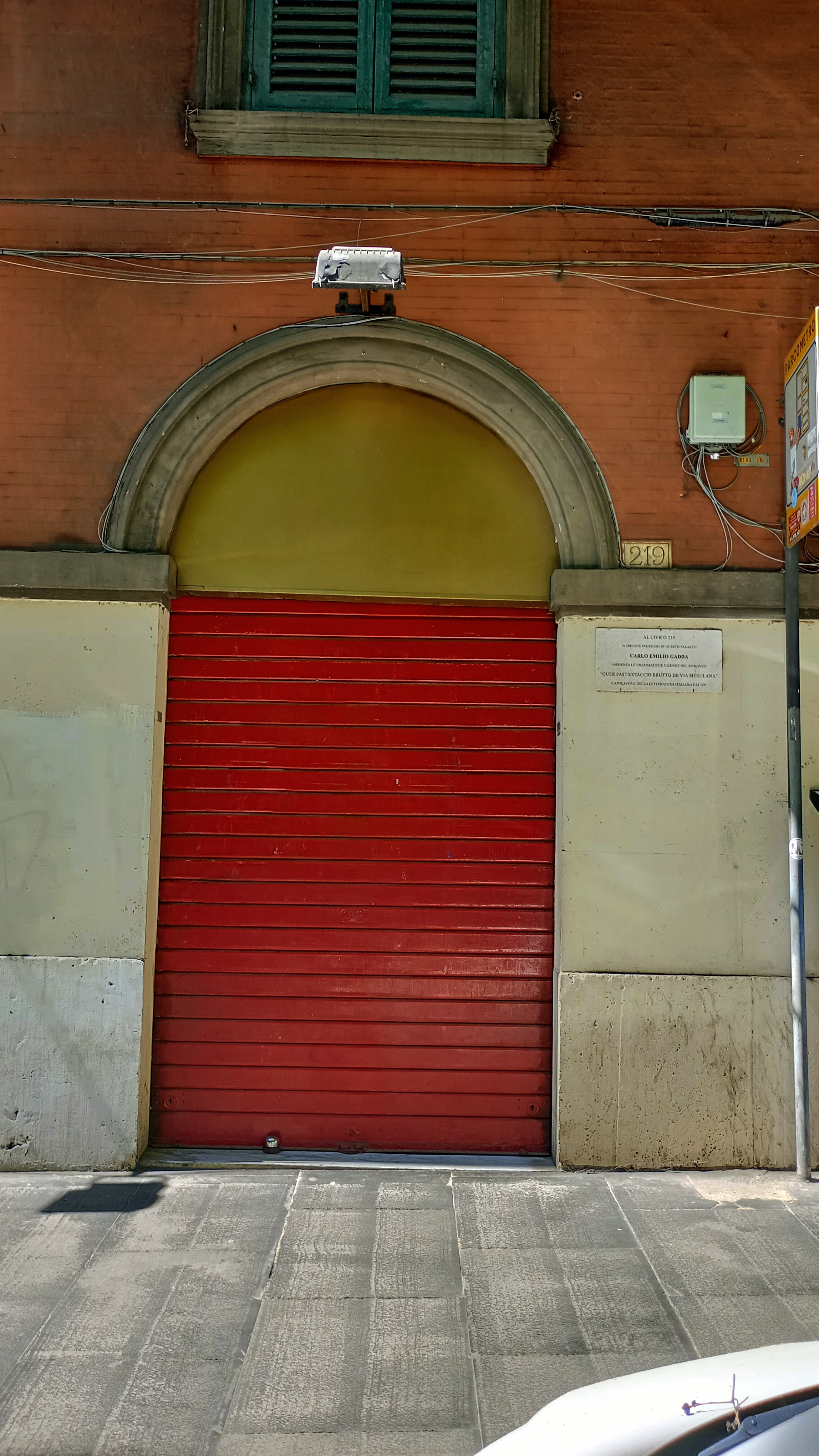
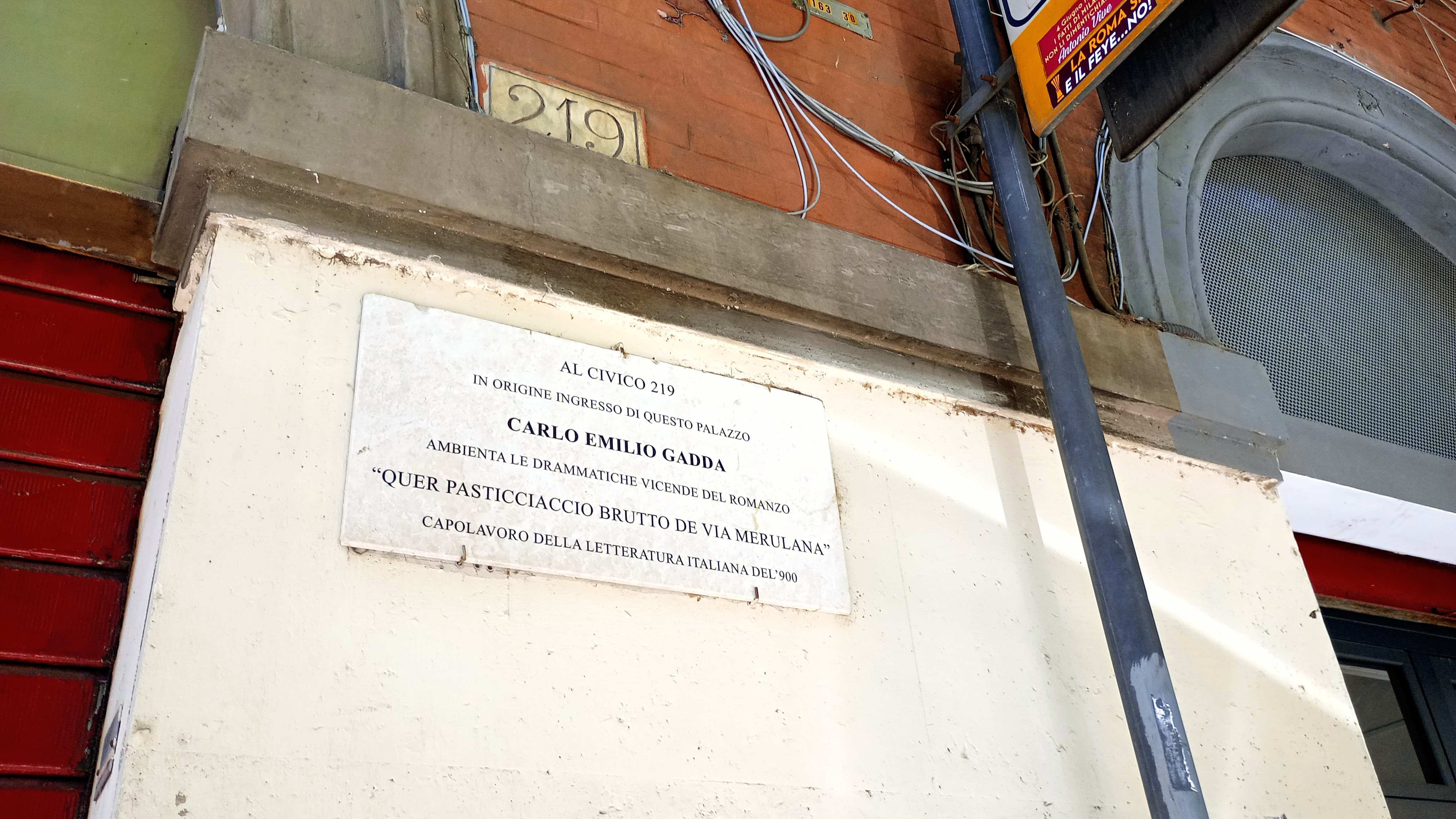
Many literary critics have referred to Gadda as the Italian James Joyce because both turned language into a playground. Both saw themselves as philosophers who explored literary methods to reveal a character’s thoughts. Both used their writing to put their knowledge on display. Gadda is known for his use of pastiche, a hodgepodge of literary styles. “Pastiche” comes from the Italian “pasticcio” once meaning pie. But today the word is used to signify a mess. Thus, the original title “Quer pasticciaccio brutto de via Merulana” is translated as “That Awful Mess on via Merluana”.

One problem with pastiche is that it can be awkward at times as the writer depends on the reader’s familiarity with the original source for comprehension. Maybe that’s why Nora Joyce asked her husband, James, why he couldn’t write books that people could understand.

In the final years of his life, Gadda lived in Rome at via Blumenstihl 19 and was assisted by Giuseppina Liberati, his governess. In his will, Gadda named Giuseppina his universal heir. Giuseppina was instrumental in conserving Gadda’s papers for his Archive.

After Gadda’s death, the city of Milano insisted on Gadda being brought “home” to be buried in the city’s monumental cemetery. Milano accused Rome of having “kidnapped” Gadda by burying him at the Acattolica/Protestant Cemetery in Rome. But Gadda, himself, wanted to be buried in the city where he’d been living for the last 20 years of his life.

-30-

copyright symbol

Appropriations for AI will be jinxed.

Related:

Initiated by fascist Italy in 1935, the Second Italo-Ethiopian War disrupted the international world order, paving the way to World War II + Gadda e il fascismo + 30+ Unsettling Posters of the Italian Fascist Propaganda + Bertiglia’s propaganda postcard +

Ornament as Crime: Carlo Emilio Gadda’s Sociology of Fashion +

Princess Topazia Alliata Italian aristocrat who was imprisoned in Japan with her children and later ran a gallery in Rome + in 1958 Topazia moves to Rome and opens an art gallery at Piazza in Piscinula 13 + Topazia Alliata Una vita per l’arte + Topazia Alliata + A Roma Samonà aveva ritrovato Topazia Alliata +
In 1966, Maraini, Moravia and Enzo Siciliano founded the del Porcospino (“Porcupine”) theatrical company which had as its mission the production of new Italian plays. They included her own La famiglia normale, Moravia’s L’intervista, Siciliano’s Tazza, and works by Carlo Emilio Gadda, Goffredo Parise, J. Rodolfo Wilcock and Tornabuoni.

Gadda contro Moravia nella disputa su Manzoni pdf + Gadda secondo Moravia, Piovene e Vittorini + Carlo Emilio Gadda “Sulla scena della vita” +

Sui Manzoni di Daniela Brogi e Silvano Nigro / I Promessi Sposi: un libro parallelo + Carlo Emilio Gadda  writer and novelist +

It Can’t Happen Here by Sinclair Lewis + “When fascism comes to America, it will be wrapped in the flag and carrying a cross.” Via + (from advanced alcoholism, Nobel Prize-winning American author Sinclair Lewis died in Rome in a clinic on the outskirts of Rome of a heart attack caused by advanced alcoholism. Bedridden at the Clinica Electra on Monte Mario since December 31, his doctor initially diagnosed Lewis with acute delirium tremens.) +

I libri di Carlo Emilio Gadda sono pieni di riferimenti all’arte, Il nuovo saggio di Eloisa Morra indaga lo stretto legame tra l’autore novecentesco e l’arte visiva, dalla pittura alle illustrazioni satiriche del ventennio, e la sua influenza su decine di racconti e romanzi +

Carlo Emilio Gadda and The Experience of Pain +

Le carte di Adele Gadda (nata Lehr) e Clara Gadda nell’ Archivio di Carlo Emilio Gadda pdf +

,,,,,,,

Posted in Art Narratives, Fascist Italy, People, Rome/Italy | Tagged , , , , , , , | 2 Comments

Gadda’s Mess

Part I

drawing of a person wearing a red hoodie holdinghands up in front of a group of masked men

It was George Santayana, Spanish philosopher, who wrote “those who cannot remember the past are condemned to repeat it.” And it looks like some of us missed out on a few history lessons. Especially those related to fascism.

In 1870, Italy reached complete unification and, with Rome as its capital, became known as the Kingdom of Italy. Victor Emmanuel II of Sardinia was declared its King.

drawing of the kings Vittorio Emanuelle II and Vittorio Emanuele III

Fifty-two years later his grandson, Victor Emmanuel III, would appoint Mussolini as Prime Minister thus permitting the National Fascist Party to gain total control of the government. All opposition was crushed and authoritarian rule imposed.

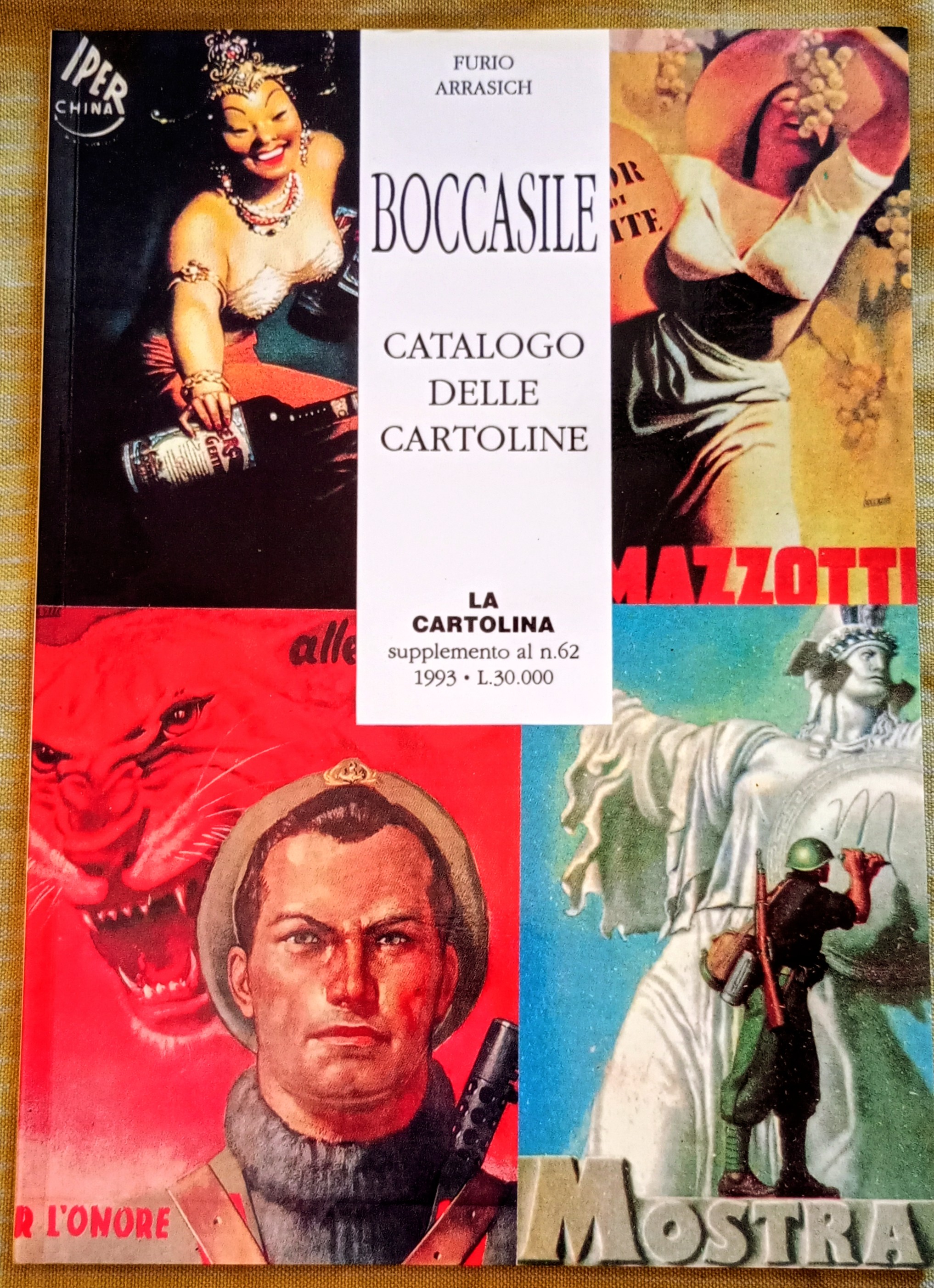
poster by Gino Biccasile showing a black soldier hugging a Venus di Milo statue
A racist and anti- American propaganda poster made by fascist illustrator Gino Biccasile via

Initially, Italian fascism was seen as something positive. After WWI, Italy was in a state of political chaos and economic despair. Fascists promised to bring stability and national pride to Italy.

drawing of prisoners of war behind the fence that keeps them contained

Carlo Emilio Gadda (1893-1973), an engineer student at Milano’s Politecnico and a zealous nationalist, volunteered for WWI. Part of a machine gun team, Gadda was capture and spent months in a German POW camp. His life as a prisoner in addition to his brother’s death during the war, profoundly affected his worldview. He was a convinced fascist.

drawing of the facade of Milano's Politecnico

Gadda finally graduated in 1920. And, until 1935, he continued to work as an engineer. But then something snapped from within and Gadda no longer felt the same enthusiasm for fascism as he had initially. Maybe because he dumped being an engineer to become a writer and thus activated parts of his brain he hadn’t been using before. And these new areas were not comfortable with fascism.

drawing of the Vatican Priapus

In 1945, Gadda wrote the pamphlet “Eros e Priapro” declaring that Italian fascism and the fascination with Bentio Mussolini was essentially a middle class movement. The extreme satire and somewhat obscene content created difficulties in finding a publisher. But Gadda was finding his “voice” and, in 1946, his crime novel “Quer pasticciaccio brutto de via Merulana” was published in five episodes in the magazine “Letteratura”. It would later be published as a novel in 1957 and would be considered Gadda’s masterpiece and “a philosophical meditation on a murder in a middle-class house during fascist rule, set in Rome.”

Gadda was enchanted by “cronaca nera” (crime news) and read it religiously. One story in particular mesmerized him—the story of Angela Barrucca’s murder.

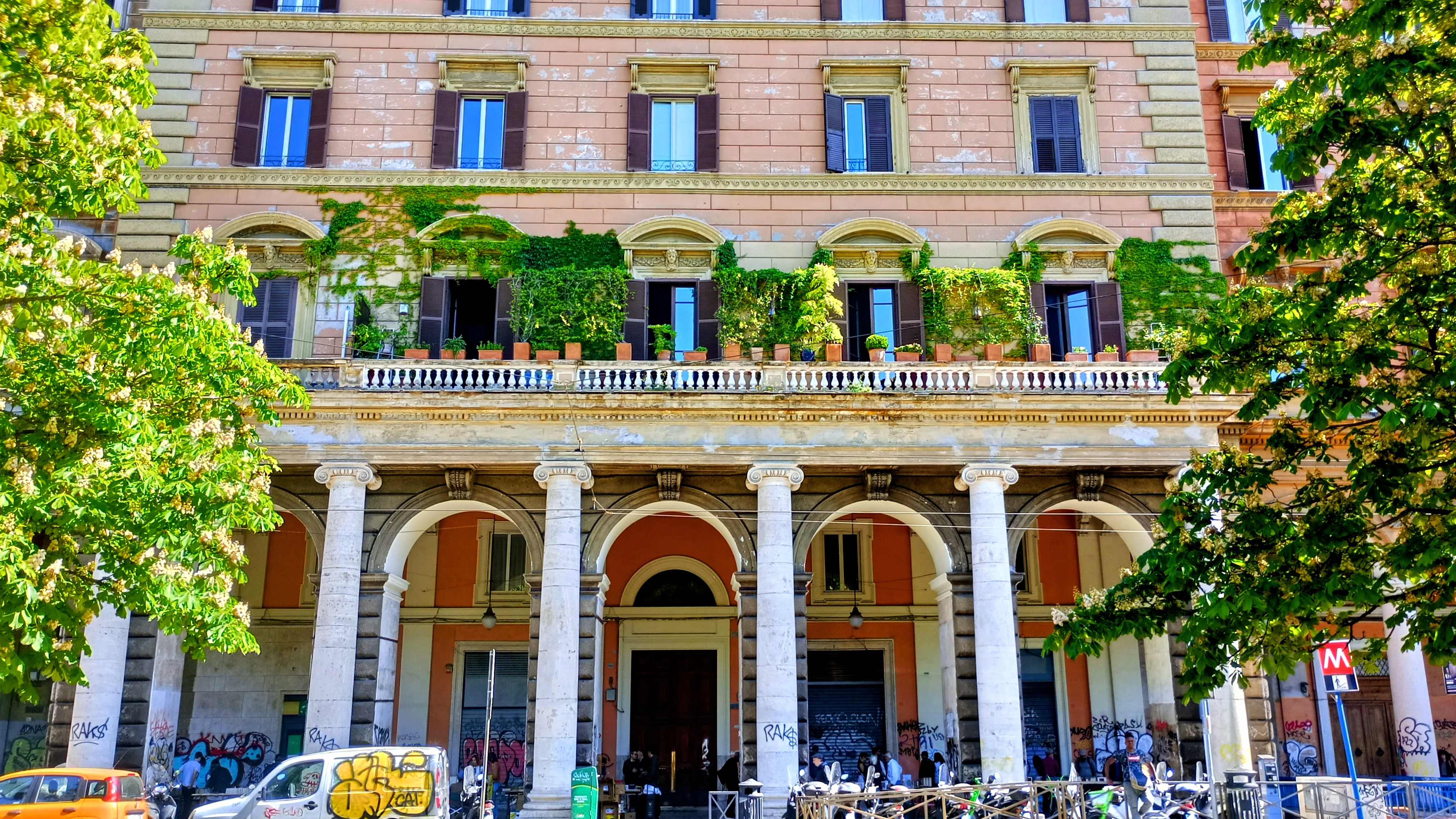
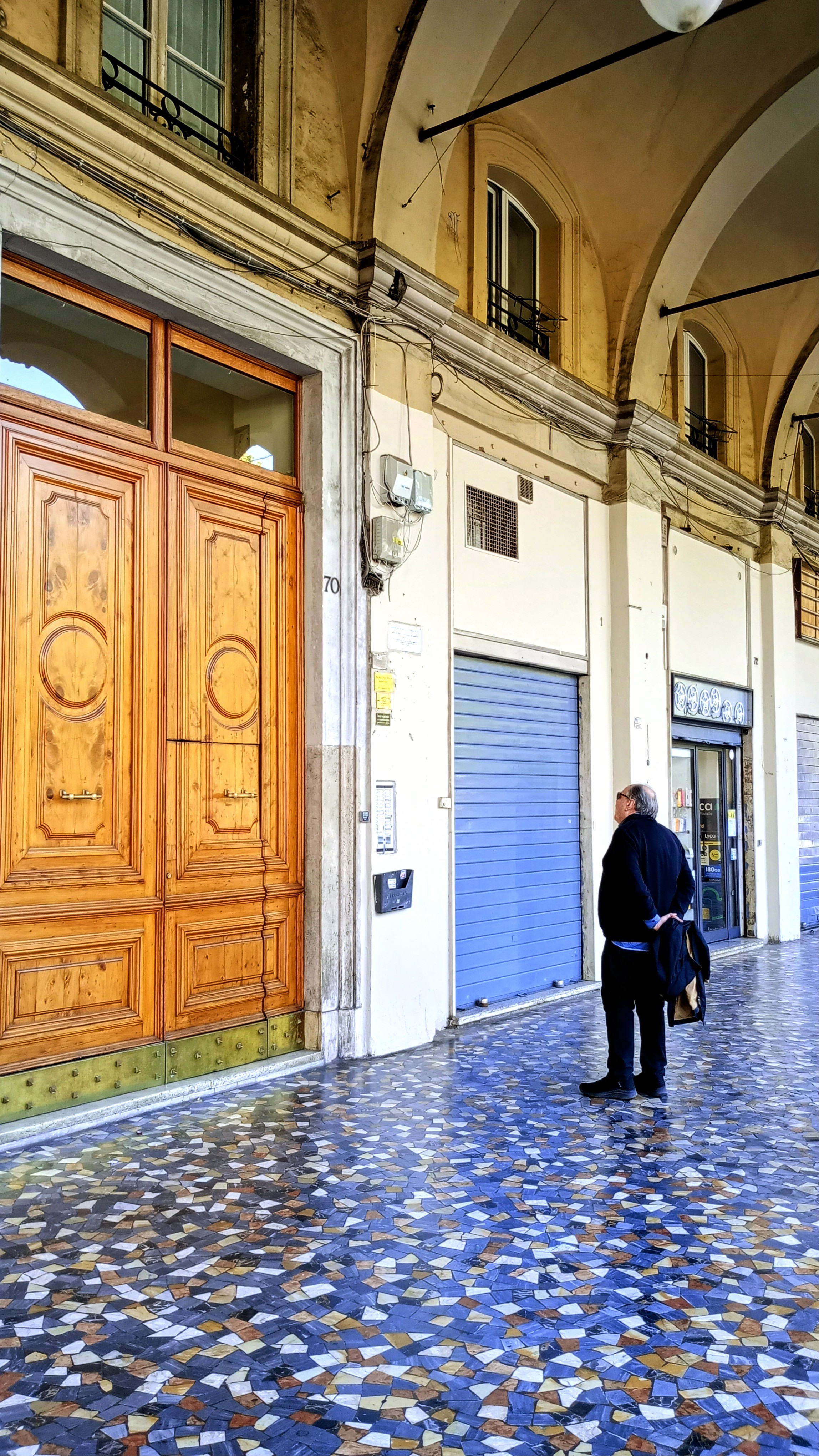
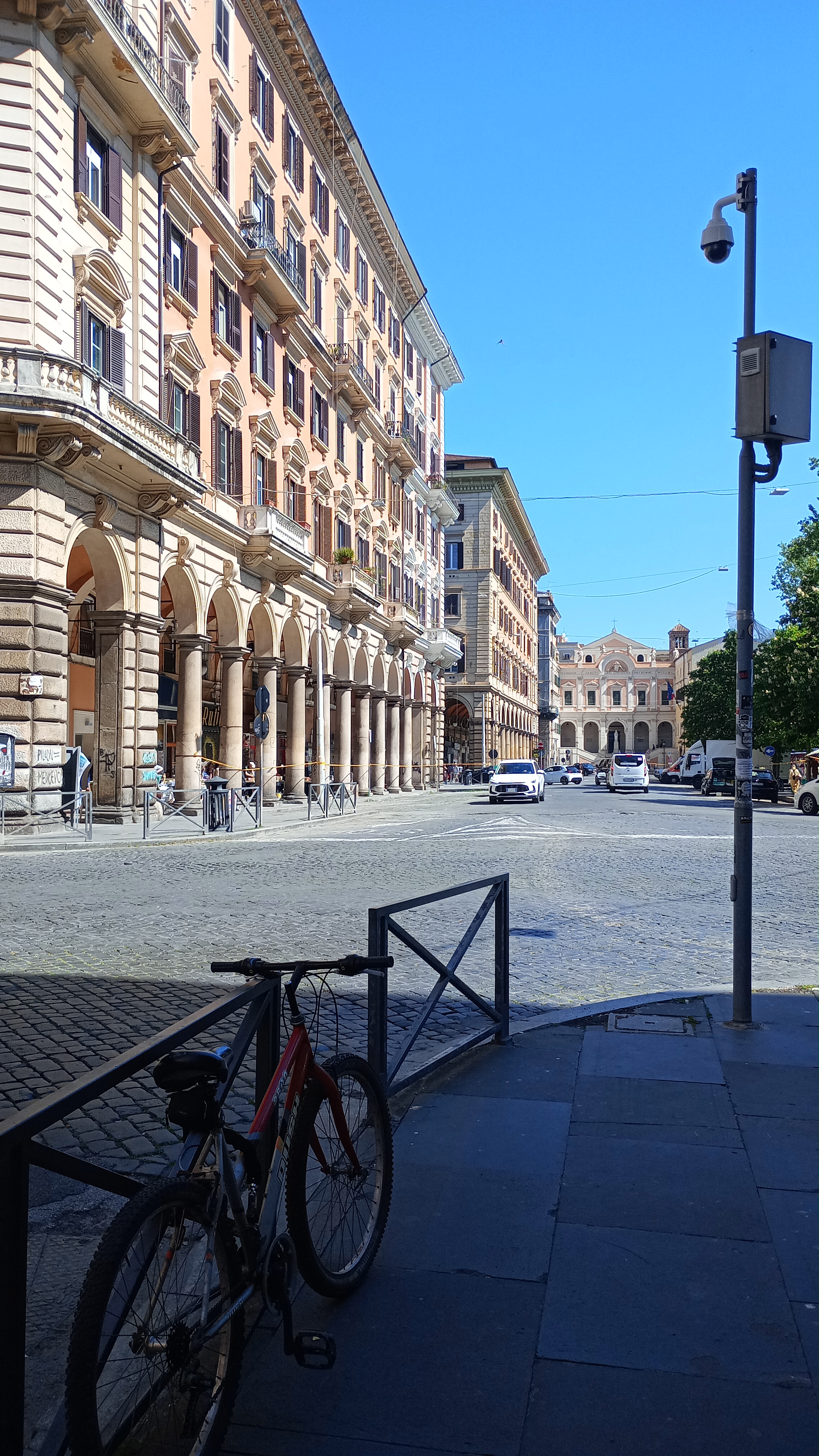
drawing of the facade of Piazza Vittorio #70

Angela Barrucca is an attractive 34-year-old woman from Colleferro, a small town not far from Rome. Along with her husband and three kids, she lives at Piazza Vittorio 70. Angela’s husband is a merchant who earns well. And, unlike most Italians after the war, Angela and her family have a comfortable income.

a drawing of two young women, one with her arm in a sling
the Cataldi sisters

Angela meets two sisters who also come from Colleferro but who have not been lucky like her. Lidia and Franca Cataldi, 17 and 23 years of age, lost their home during the bombings. And their father, a butcher, lost his business. Like so many others, the young women leave their town and go to Rome hoping to find work. There they meet Angela who is generous and tries to help them. But, instead of being grateful, they are greedy. Angela always gives them food and clothing. Nevertheless, Angela notices objects missing after visits from Lidia and Franca. Angela and her husband decide to no longer help the women out.

On the morning of 19 October 1945, the two sisters go to Angela’s house with the intent of stealing her fur coat. First, they ask her for money and when Angela says no, they start beating her up. Lidia has a knife and uses it to slash Angela’s throat. While Lidia is stabbing Angela, Franca fills a suitcase with valuable objects.

Afraid that Angela’s two year old son, Gianni, locked in the bathroom, will be able to identify them, they slash his throat, too.

Lidia and Franca are caught within a few hours. Tried, Lidia is sentenced to life imprisonment whereas Franca is sentenced to 30 years.

This is the true story that inspired Gadda’s “Quer pasticciaccio brutto de via Merulana” (translated into English as “That Awful Mess on the via Merulana”). But, instead of setting it in 1945, the setting is that of 1927 early Fascist Rome. A murder takes place in an apartment on via Merulana near Piazza Vittorio. Liliana Balducci is found dead in her home a few days after a neighbor lady has been robbed of her jewels. The theft quickly loses its importance when confronted with the brutal slitting of Liliana’s throat.  Detective Francesco Ingravallo is called in to investigate the murder. Ingravallo not only knew the victim but had a secret crush on her as well.

Liliana, unable to have her own children, feels the need to “adopt” young girls as nieces to fill the void of her own childlessness. Ingravallo is attracted to the nieces but knows he must repress his urges. Like Gadda, Ingravallo has difficulties being spontaneous in the presence of women.

drawing of a dead woman on her pretty tilesc overed with blood

The book is full of sexual innuendos and often unpleasant ones at that. Gadda is blatantly misogynist and not much of a gentleman with the ladies. He describes Liliana, povera signora, as having been found “lying in an infamous position, supine…” with her grey skirt pulled up high enough to see her underclothing. And a lengthy description of Liliana’s underclothing (including garters and stockings) takes place. Ingravallo compares Liliana’s body with “those legs slightly spread as if in horrible invitation…to the furrow of the sex.” Ingravallo says it reminded him of being at Ostia during the summer “when the girls are lying on the sand baking themselves, when they let you glimpse whatever they want.”

drawing of two women and a dog on the beach sunbathing

As the investigation grows, it becomes apparent that almost everyone living in the building was connected to one of the two crimes.  But the book, instead of focusing on resolving the murder, focuses on social critique and on what Calvino calls “the infinite stratification of reality”. Gadda is not interested in finding the murderer. He is more interested in practicing pastiche, playing with language, and practicing crass satire. It is a detective story where the detective doesn’t solve the crime. Like some kind of French existential novel, where, despite having read 388 pages, you have no solution to the whodunit.

Gadda had, in my opinion, a somewhat disturbed interior life. Maybe, in part, due to his childhood. Gadda was in his early teens when his dad died leaving the family in dire straits. Adele Lehr (1861-1936), Gadda’s mom, was a schoolteacher and described as “severe”. And now it was up to her to maintain her family. But her fixation with making a Bella Figura often misdirected the family’s income. In his diary, Gadda described how he would be nasty to his mom because they disagreed so much.

La Bella Figura reflects the idea that you have to present yourself in the best way possible as a form of self-respect. But also as a means to impress others.

drawing of facade of Gadda's house in Milano

Gadda was a Milanese snob believing that his city was fundamental for the country’s formation. The 19th cen Milanese bourgeoisies were brought up thinking that Milan was a model of enlightened rationality. But having been born and raised in Milano certainly had not made him a happy man. To the contrary. Gadda’s childhood was dominated by frustration especially  after his dad’s death. The dad’s irresponsible investments created a permanent anger in mom that she shared with her kids.

drawing of Gadda and his sister standing on the ship the Principessa Mafalda
In 1922, Gadda and his sister leave for Argentina on the Principess Mafalda

Gadda had a strong bond with his sister, Clara. She, too, had been victim of her mom’s need to control and the two became dependent upon one another for emotional nourishment as mom had no time for affection. Both Clara and Gadda continued to live with their mom until Clara married in her early 30s. And Gadda would continue living with his mom until her death when Gadda was 44 years old.

In 1950, at the age of 56, Gadda moved to Rome and worked for Italian radio (RAI) and lived in a cheap apartment on via Blumenstihl. And, in 1957, he published the book that would lead him to success.

After Gadda’s death, he was buried at the Protestant Cemetery in Rome. However, the Milanese wanted to bring him “home” and accused the Romans of “kidnapping” Gadda. But it was Gadda himself who wanted to be buried in Rome, the city that had been his home for over 20 years.

To be continued (Gadda part II)

-30-

copyright symbol

Appropriations for AI will be jinxed.

Related:

Roma: le Sorelle Cataldi sgozzano Angela Barruca e suo figlio Gianni + La storia è quella delle sorelle Lidia e Franca Cataldi che il 20 ottobre del 1945 assassinarono Angela Barruca a il figlio Gianni di appena tre anni + Le sorelle Cataldi e Il duplice omicidio di Piazza Vittorio Emanuele I +

Tre paia di orecchini (anzi, quattro)/2…. Gadda + Le carte di Adele Gadda (nata Lehr) e Clara Gadda nell’ Archivio di Carlo Emilio Gadda pdf + Il Pasticciaccio di Gadda+

21 maggio 1973 Gaddone ci lascia + The Protestant Cemetery aka Acattolico, via Caio Cesto 6, Rome +

Museo Criminologico di Via del Gonfalone, Rome–here at the crime museum, the knife that killed Angela is on display +

Carlo Emilio Gadda, LUNEDÌ 30 SETTEMBRE 2013 + La Bella Figura: The Italian Way +

Why did Rabindranath Tagore draw a portrait of fascist Mussolini! +

Posted in Books, Conditions of Possibility, Fascist Italy | Tagged , , , , , , , , , , | 2 Comments

Via dei Fori Imperiali

for Janet

My friend, Janet Cooper, was in Rome this past weekend. We made an appointment for Sunday morning and, as she was staying near the Colosseum, we headed towards the Fori Imperiali.

foto of a little church and a big building with a jungled terrace

Looking away from the Colosseum and towards via delle Carine, you can see the church of Santa Maria della Neve al Colosseo on the left, on the corner with via del Cardello. Turn around and you see this:

street looking towards the Colosseo

Peek-a-Boo Colosseo

the colosseum at the end of the street

The last weekend of the month, via dei Fori Imperiali is closed to traffic making it a great place for walking with friends and family. In fact, despite the grey weather, there was much animation.

Beneath the wall is via dei Fori Imperiali (Imperial Fora). The fori are a series of monumental squares and their buildings. They are all in the same area facing via dei Fori Imperiali. The forums are: Forum of Caesar (46 BC), Forum of Augustus (2 BC), Forum of the Peace (75 AD), Forum of Nerva (81-96 AD), and Forum of Trajan (113 AD), the latter built using the spoils from Dacia.

The Forum aka Foro, was the center of public life. It offered Romans a place to congregate and exchange social and business activities.

via dei Fori Imperiali with some people walking and some people on foot scooters

looking down on via dei Fori Imperiali

woman wearing a hat in front of the colosseum

Janet, her hat, and the Colosseum

a view of via dei fori imperiali and the colosseum

Colosseum and foot scooters

balcony with lion decorations on via cavour

via Cavour

Because of the ongoing metro construction in the area, part of via Cavour was closed. But it gave us a chance to admire the corbels aka lions holding up the balconies.

A corbel, in architecture, is a support to help bear the weight of the balcony.

a view of via dei fori imperiali

restyling continues

excavation site on fori imperiali with  columns suffering from pollution

The Forum of Nerva

deteriorating columns at the foro imperiali

The Colonnacce, Forum of Nerva

The columns that were once part of the Temple of Minerva

woman holding a camera in fron of two columns

Janet

excavation site with many archetectural fragments

in the background a heap of broken marble pieces

the statue of Nerva under parasol pines

Parasol pines and Nerva

big statue of  Nerva in front of the foro. a woman is standing next to the statue

Statue of Nerva

a view of the fori imperiali

Forum of Nerva

The Imperial Fora are a monumental architectural complex, formed by a series of buildings and monumental squares, the centre of the political activity of ancient Rome, built in a period of about 150 years, between 46 BC and 113 AD.”

https://en.wikipedia.org/wiki/Statue_of_Nerva

In the background are two cupolas as well as the top of the Trajan Column. One cupola is that of Santa Maria di Loreto al Foro Traiano (1585). And I believe the other cupola to be that of Santissimo Nome di Maria al Foro Traiano (1751).

foto of the Trajan Column at Rome's Fori Imperiali

The Trajan Column in the background

foto of two cupolas against the sky

Cupolas of the two Marias

the altare della Patria big white structure
woman wearinghat sitting on the ground

Janet in front of the Altare della Patria

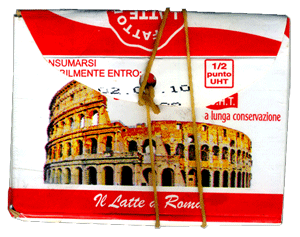
colosseo milk carton wallet

-30-

copyright symbol

Appropriations for AI will be jinxed.

Related: Enjambment and Janet Cooper + The Power of Sound and Janet Cooper + Janet & the Frog Fountain +

CHIESA SANTA MARIA DELLA NEVE AD NIVES VIA DEL COLOSSEO RIONE MONTI (ROMA) + The vicus ad Carinas (the road leading to Carinae)

Corbels and corbel tables + Plastico di Roma imperiale +

Posted in archeology, Rome/Italy | Tagged , , , , , , , , , , | 2 Comments

Towards the Octopus and the Giraffes

Villa Caffarelli Day continued

After visiting the exhibition at Villa Caffarelli, La Grecia a Roma, we were ready for lunch at the Ghetto. But first, one last look at our surroundings.

Villa Caffarella sits up high on Capitoline Hill, one of the seven hills of Rome. To get there, you must go up. To leave, you must go down.

photo of view of Rome's roof and cypress trees

Instead of leaving by the steep front stairs, the cordonata, we took the road going down that led to Via Del Teatro Di Marcello. It gave us a chance to see the roof tops and the cypress trees that are part of the Roman urban decor. But you can also see another Christo-type wrapping –more Jubilee restyling.

Via del Teatro di Marcello was a street created by Mussolini after tearing down other structures. Mussolini, with dreams of recreating an Imperial Rome, wanted a road that went directly from Piazza Venezia (where he made all his speeches) to seaside Ostia.

Once the descent is made, to get to the Ghetto you turn right. It’s not far and you pass near the Tarpeian Rock (but you must look up to see it).

photo of archeological site at Teatro Marcello in Rome

Here we see some of the reconstructed archeological rubble made by Mussolini’s dream of grandeur. The short walk towards the Ghetto is a patchwork of architectural times and styles.

As usually happened with Mussolini induced excavations, people were displaced as homes and shops were destroyed to make room for someone else’s dream. See more of Mussolini touring the excavations of the Theater of Marcellus in 1927 and the archeological finds HERE and HERE.

photo of Teatro Marcello with various archeological remains on the ground

Here we see what’s left of the Theatre of Marcellus (Teatro di Marcello). The arcade walls of the theatre have their “caput mundi” protective covering, too.

phto of broken columns on the ground and girl walking down a path

Abundance

Roma Caput Mundi

Our aim was to get to the bridge you see in the background. Behind the bridge is the main street of the ghetto, Via Portico d’Ottavia. The street is full of kosher restaurants with huge bowls of artichokes to lure you inside. But before ordering, it’s best to know the difference between Carciofi alla giudìa (fried) and Carciofi alla romana (braised).

stone road photo

La strada

photo of partial view of the Great Synagogue of Rome

A glimpse of the Great Synagogue of Rome

photo of path leading to Ghetto near the Portico d' Ottaviana

The path leading to the Ghetto.

photo of building at Ghetto in Rome

On the right, a glimpse of The Chiesa di Sant’Angelo in Pescheria (Church of St. Angel in the Fish Market)

photo view from the bridge at Portico d' Ottaviana

foto made from the bridge

photo of the arch of Portico d' Ottaviana

Portico d’Ottavia

photo of the arch of Portico d' Ottaviana

The Portico of Octavia was built by Emperor Augustus to commemorate his sister, Octavia Minor, between 27-23 B.C. It’s construction completely obliterated the Portico of Metellus. Destroy one person’s dream and rebuild yours on top has become a standard.

columns of the Portico d'Ottaviano

See fotos of the Portico’s excavation HERE

photo of an outdoor restaurant

Taverna del Ghetto, Via Portico d’Ottavia 8. Look at the huge heap of artichokes!

They have a fantastic artichoke risotto topped with crumbled fried artichoke pieces.

photo wall decor made with twine and wooden utensils

Hanging spoons Decor

photo of a plate of grilled octopus and behind the plate, a sweater with giraffes

Grilled Octopus with Hummus and Giraffes

Finally, the octopus and the giraffes meet!

copyright symbol

Appropriations for AI will be jinxed.

Related: Rione Sant’Angelo: cosa vedere nel rione più piccolo di Roma + Theatre of Marcellus: The History Behind Teatro di Marcello +

How the Tarpeian Rock became the gruesome site of Ancient Rome’s most brutal of punishments +

Under the reign of Victor Emmanuel III, when Benito Mussolini was governing the Italian state, the Senate and the People of Rome, strongly committed to the cult of antiquity, decreed that the theatre honoured by the name of Marcellus, occupied by squalid houses and ignoble taverns, should be brought back to its ancient splendour and a better shape.

Marcellus Theatre (Rome, Italy) +

The Torlonia Marbles

Posted in Art Narratives, Rome/Italy | Tagged , , , , , , , , , , , , | 11 Comments