For Madeleine who asked
We all have stories to tell. It’s just that some of us are better than others at telling them.
Lucy Barton and Olive Kitteridge have something in common. They both like to collect stories from “unrecorded lives”. Lucy and Olive know that we’re all surrounded by stories just waiting to be told and they’re anxious to tell them.
Olive’s story: before Sara, Olive’s mother, married Olive’s dad, she’d been in love with Stephen. Stephen had been in love with Sara, too. But Stephen’s mom, who owned the resort where Sara worked, didn’t think Sara was good enough for her son and forced the young couple to break up. Three months after the split, Sara met Olive’s dad and two months later they married. The Rebound.
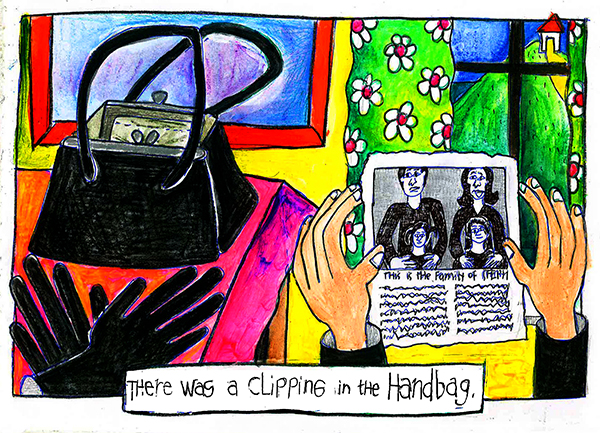
After her mom died, Olive went through her mom’s belongings and found a tattered old newspaper clipping hidden in a handbag pocket. The clipping showed a photo of Stephen and his wife as well as their two daughters. The girls’ names were Olive and Isa. What was so remarkable about this was that Stephen had given his daughters the same names as Sara had given her own daughters. How was it possible that the teenage sweethearts, years after their split, would give identical names to their children.
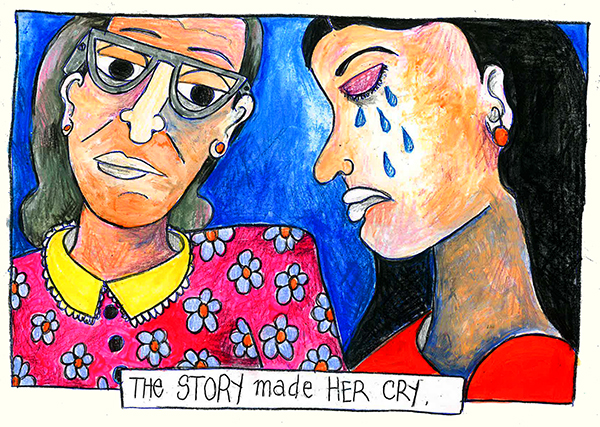
After Olive finished telling her story, Lucy cried. It’s a sad story, she said, because Sara and Stephen must have been so in love that, at the time, they even talked about the names for the babies that they wanted to have together. Despite the mom instigated break-up, Sara and Stephen never forgot one another.
Stories exist to be told because, says Maya Angelou, “there is no greater agony than bearing an untold story inside of you.”
Olive, 90 years old, thought about the unrecorded lives all around her. “Everywhere in the world people led their lives unrecorded, and this struck her now.” Humans need to feel connected, and their stories help them do so. Sometimes we even invent stories about ourselves to help us from feeling inconsequential.
The stories Lucy and Olive share with one another are about people they know. Some could say that they were just gossiping. But what is gossip if not a form of storytelling.
Cultural psychologist Michele Gelfand says, “Gossip is a ubiquitous feature of human communication.” Homo sapiens are social animals and depend upon social cooperation for their survival. In Sapiens, Yuval Noah Harari tells us that language evolved thanks to gossip. Social communication is fundamental for survival and reproduction. Harari also says that gossip is based on judgements and these judgments led to the beginning of sapiens domination.
Gossip evolved into storytelling. Storytelling helped language evolve making it easier to exchange information about ourselves and others.
Every evening people sit in front of their TVs watching stories being told. But when TVs didn’t exist, people themselves were the storytellers.
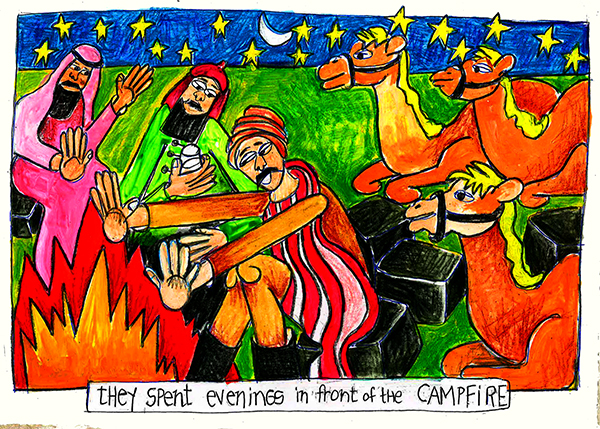
The Silk Road was a trade route active from the second cen. BC to mid-15th century AD. It was fundamental for the commerce of lucrative commodities and thus constantly travelled. And when the camel caravans stopped to rest, the travelers would sit around the campfire to tell each other stories.
Storytelling was a social event where people could spend time together and pleasantly pass the time. As the travelers were of various origins, the stories offered a chance to learn new things. It was the sharing of stories that helped man to evolve.
Scheherazade’s One Thousand and One Nights is a collection of stories told on the Silk Road. The stories were collected over the centuries but when they became One Thousand and One Nights is not really known.
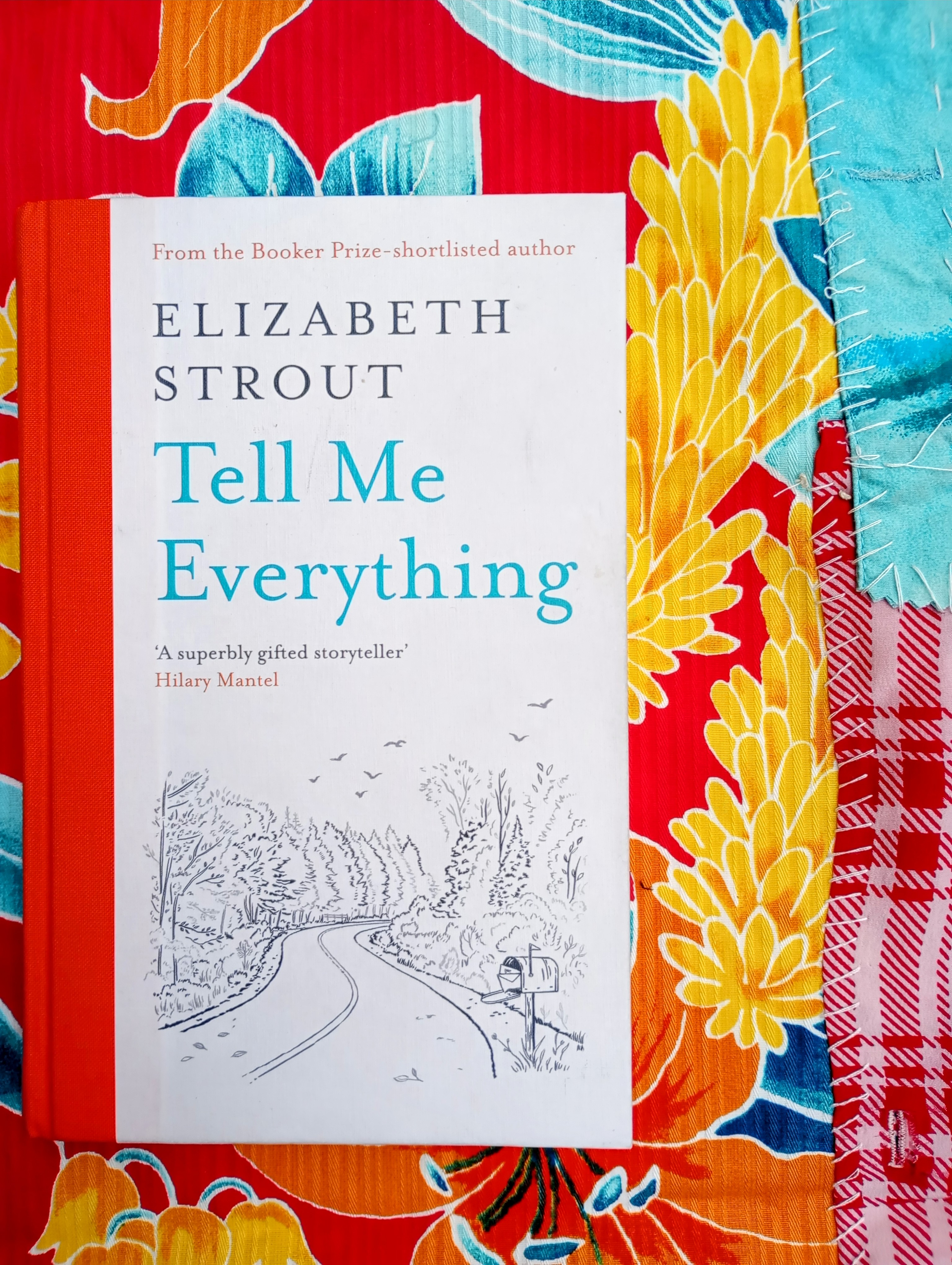
Elizabeth Strout, in Tell Me Everything, uses storytelling to make the insignificant significant and the ordinary extraordinary. She could transform anybody’s life into a bestseller.
Life can have more meaning if it’s given the proper narrative.
They’re coming to get us.
-30-
Related: Viola Davis + Saved by Stories (Scheherazade)+










 The Narrative Within